Power Crisis: 11 Firms Spend ₦842bn on Energy in Nine Months as Manufacturing Costs Rise
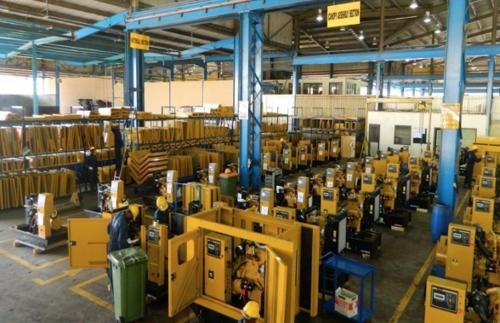
Eleven manufacturing companies listed on the Nigerian Exchange spent a combined ₦841.99bn on energy in the first nine months of 2026, reflecting the continued pressure of electricity and fuel costs on Nigeria’s industrial sector.
The expenditure represents a 7.4 per cent increase from the ₦784.08bn recorded by the companies during the corresponding period of 2025, highlighting the growing financial burden of powering industrial operations.
The figures were derived from an analysis of the companies’ unaudited financial statements for the period ended September 30, 2026, covering electricity, power, diesel, fuel, petrol, gas and other energy-related expenses.
The rising expenditure underscores the challenges facing manufacturers as businesses continue to rely on a combination of grid electricity and alternative energy sources to sustain production.
Cement Producers Account for Majority of Energy Spending
Dangote Cement and BUA Cement accounted for the largest share of energy expenditure among the companies analysed, collectively spending ₦797.44bn, representing 94.7 per cent of the total.
Their combined energy spending increased from ₦747.33bn in the corresponding period of 2025, reflecting the significant energy requirements associated with cement production.
BUA Cement recorded the largest increase in energy expenditure in naira terms, with its energy bill rising by ₦38.59bn, or 21.6 per cent, to ₦216.95bn from ₦178.36bn.
The company also reported ₦329.58m in administrative energy expenditure, significantly higher than the ₦126.28m recorded a year earlier.
Dangote Cement’s fuel and power costs increased by two per cent to ₦580.49bn from ₦568.97bn.
The figures highlight the energy-intensive nature of cement manufacturing and the extent to which electricity and fuel costs influence the operating expenses of large industrial businesses.
Energy Costs Rise Across Other Manufacturing Sectors
Beyond the cement industry, the other nine companies recorded combined energy expenditure of ₦44.55bn, representing a 21.2 per cent increase from ₦36.75bn in the corresponding period of 2025.
UAC of Nigeria recorded the steepest percentage increase, with its electricity and power expenditure rising by 172.1 per cent to ₦13.24bn from ₦4.87bn.
BUA Foods spent ₦938.98m on diesel, fuel and electricity, representing a 32.8 per cent increase from ₦707.13m.
Dangote Sugar Refinery recorded a 22.3 per cent increase in petrol and oil costs to ₦317.50m, while Champion Breweries’ energy and water expenditure rose by 20.8 per cent to ₦2.54bn.
NASCON Allied Industries recorded a relatively modest two per cent increase in petrol and oil expenditure to ₦94.13m.
However, some companies recorded reductions or relatively stable energy spending during the period.
Beta Glass reduced its fuel, gas and electricity costs by 5.3 per cent to ₦23.22bn, while Fidson Healthcare’s energy expenditure remained broadly unchanged at ₦4.18bn.
Manufacturers Continue to Rely on Self-Generated Power
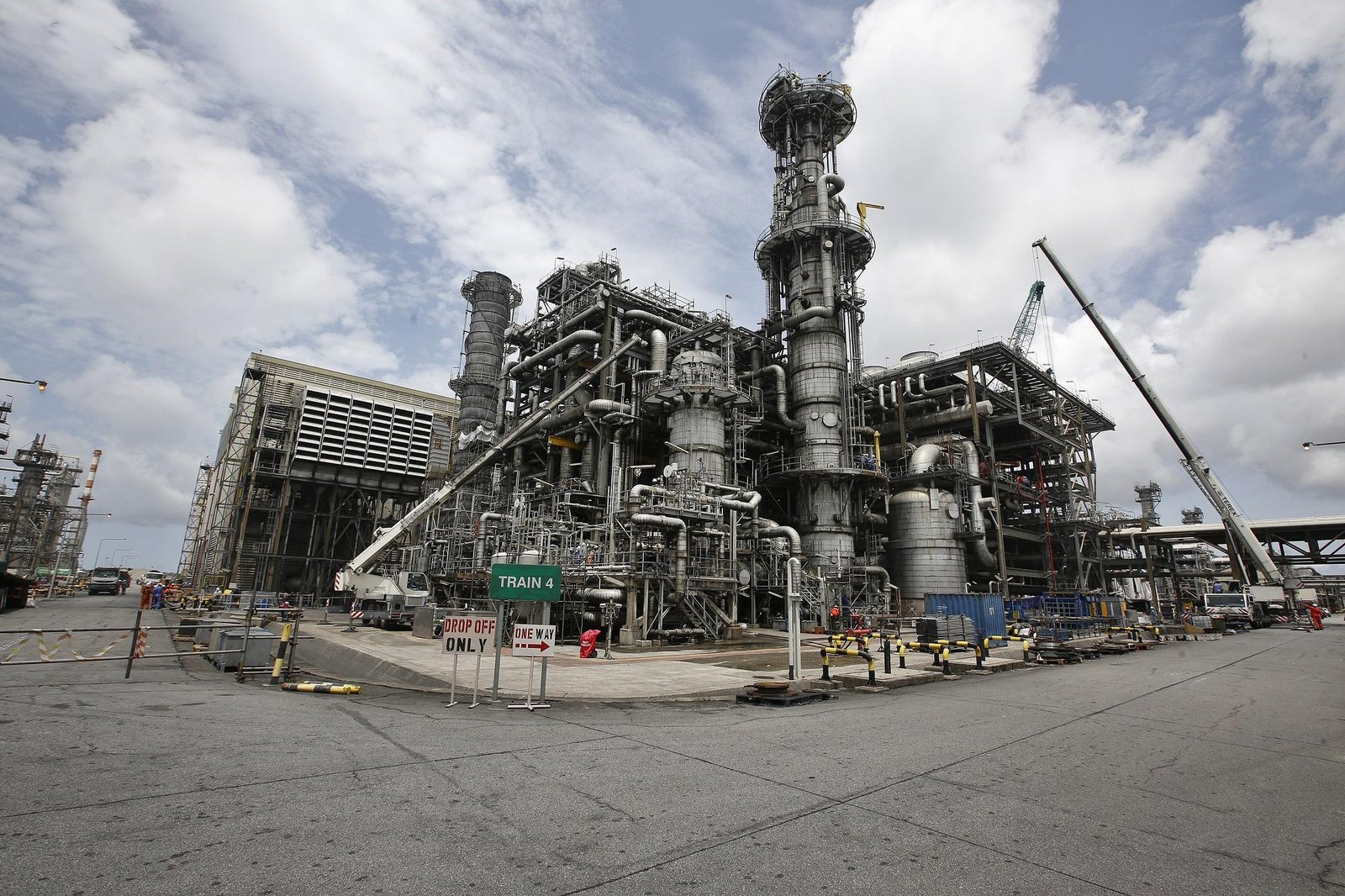
The rising expenditure reflects the continued reliance of many Nigerian manufacturers on alternative energy sources to maintain production amid electricity supply challenges.
The Director-General of the Manufacturers Association of Nigeria, Segun Ajayi-Kadir, previously highlighted the increasing cost of self-generated electricity among manufacturers.
He said MAN members spent less than ₦800bn on self-generated power in 2023, with the figure rising to ₦1.1tn in 2024 and ₦1.35tn in 2025.
According to him, manufacturers are primarily concerned about the reliability and predictability of electricity supply rather than the source of the energy itself.
The increasing cost of maintaining alternative power systems has continued to affect operating expenses, particularly for businesses with large production facilities and energy-intensive processes.
Energy Costs Affect Manufacturing Competitiveness
High energy expenditure can influence production costs, pricing decisions, profit margins, investment plans and the ability of Nigerian manufacturers to compete with imported goods.
Companies may be forced to adjust product prices, reduce operating costs, delay expansion projects or invest in more efficient energy solutions to manage the financial pressure.
For businesses operating in sectors such as cement, food processing, beverages, healthcare products and industrial manufacturing, reliable and affordable electricity remains an important determinant of operational efficiency.
The growing energy expenditure also highlights the need for investments in power infrastructure, renewable energy, gas-powered generation, grid reliability and industrial energy solutions.
Reliable Power Remains Critical to Industrial Growth
Nigeria’s manufacturing sector has continued to face structural challenges associated with electricity supply, infrastructure, transportation and financing.
Improving power availability and reducing energy costs could help manufacturers increase production, improve competitiveness, expand operations and create employment opportunities.
The latest expenditure figures demonstrate that energy remains a significant component of manufacturing costs, reinforcing the importance of policies and investments aimed at strengthening Nigeria’s electricity infrastructure.
For the country’s industrial sector to expand sustainably, businesses will need access to reliable, predictable and competitively priced energy that supports production and long-term investment.







Post Comment