CBN Authorises Banks to Sell up to $1m Cash to BDCs as Nigeria Targets FX Market Stability
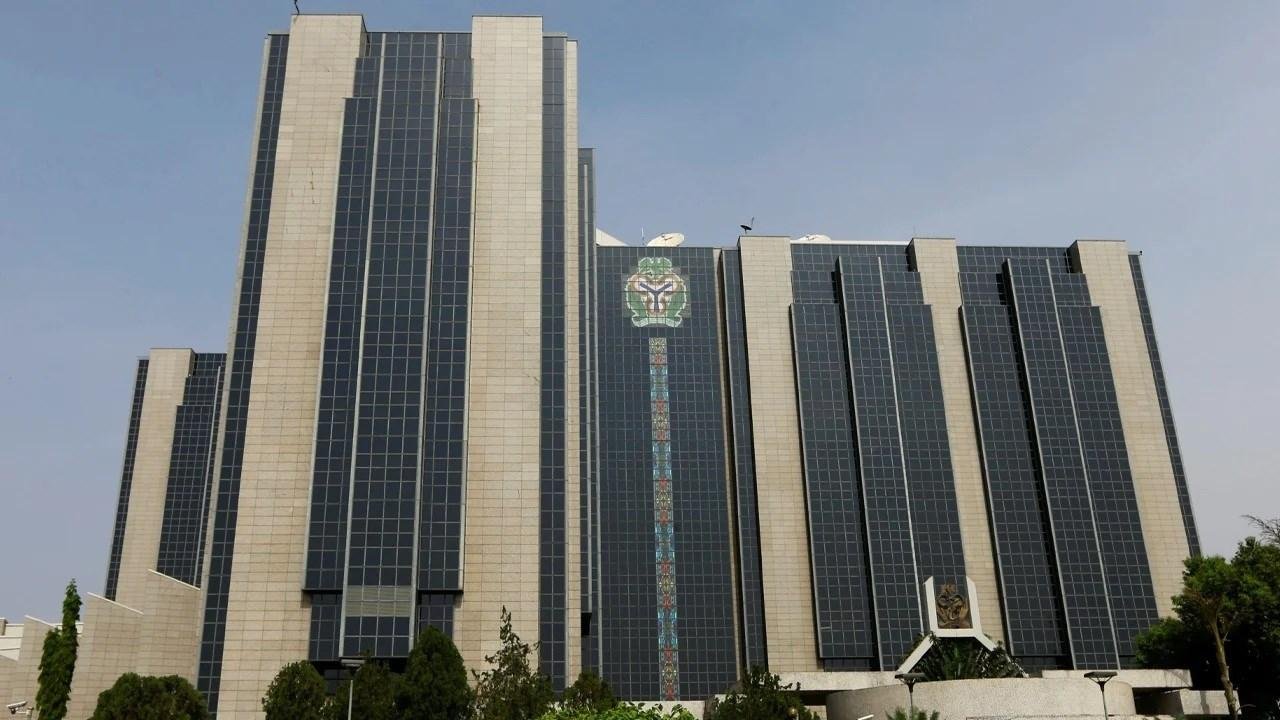
The Central Bank of Nigeria (CBN) has authorised banks to sell up to $1m in physical foreign currency to Bureau de Change (BDC) operators as part of efforts to improve dollar availability in the retail foreign exchange market.
The policy, which takes effect on Wednesday, November 25, 2026, is expected to increase the supply of physical dollars available to BDC operators and address gaps in the currency market.
The move comes amid ongoing efforts by monetary authorities to strengthen foreign exchange liquidity, improve market efficiency and reduce distortions in currency pricing.
Banks to Supply Physical Dollars to BDC Operators
Under the new arrangement, banks are permitted to sell up to $1m in physical cash to BDC operators, providing an additional channel through which foreign currency can reach retail market participants.
The policy is aimed at improving the availability of physical foreign exchange for individuals and businesses that rely on cash currency for transactions.
BDCs play a role in Nigeria’s retail foreign exchange market, particularly for travellers, individuals conducting small international transactions and other customers who require physical foreign currency.
By increasing the supply available through regulated channels, the CBN is expected to reduce some of the pressure associated with limited cash dollar availability.
Policy Targets Retail Foreign Exchange Gaps
Nigeria’s foreign exchange market has experienced several policy adjustments in recent years as monetary authorities seek to improve liquidity, strengthen price discovery and reduce the gap between different exchange rate channels.
The availability of physical dollars remains an important aspect of the retail market, where demand can arise from travel, education, medical expenses and other legitimate international transactions.
The latest directive could improve access to physical foreign exchange for customers if banks and BDC operators are able to efficiently distribute the additional supply.
However, the effectiveness of the policy will depend on how quickly the dollars reach end-users, the pricing practices of operators and the level of demand across the market.
BDC Operators and Banks Face Compliance Expectations
The policy also places importance on compliance, transparency and effective monitoring of foreign exchange transactions.
Banks and BDC operators will be expected to operate within applicable regulatory requirements, maintain transaction records and ensure that foreign currency distribution supports legitimate market activity.
Regulatory oversight will remain important to prevent abuse, improve accountability and ensure that increased foreign currency supply does not encourage speculative activities.
The CBN’s broader objective is to improve the functioning of the foreign exchange market while strengthening confidence in regulated channels.
What the Policy Could Mean for Businesses
Improved access to physical foreign exchange could benefit businesses and individuals who require cash dollars for legitimate transactions.
It may also improve the availability of currency within the retail market, although the policy alone may not determine exchange rate movements across the wider economy.
Nigeria’s foreign exchange stability will continue to depend on broader factors, including export earnings, foreign investment, remittance inflows, monetary policy, demand for foreign currency and confidence in the economy.
The latest directive represents another intervention aimed at improving the accessibility of foreign exchange and addressing specific liquidity challenges within the retail currency market.











Post Comment