Nigeria’s Siemens Power Project Delivers 1,080MW, but 4,460MW Remains Outstanding Ahead of 2028 Deadline
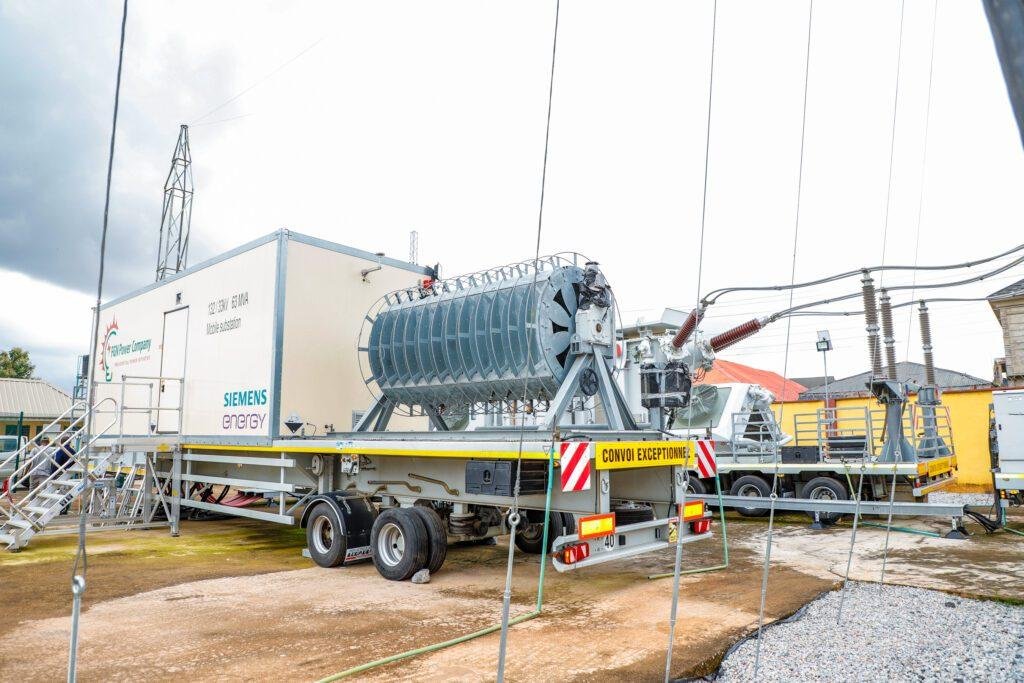
Nigeria’s ambitious electricity infrastructure programme has delivered 1,080 megawatts of additional transmission capacity, but fresh figures indicate that the country could struggle to meet its target of adding 5,540MW by 2028.
The project, popularly known as the Siemens power project, was established to modernise Nigeria’s electricity transmission and distribution infrastructure.
According to a programme status document obtained from FGN Power Company and reported by Punch Newspapers, the completed work represents approximately 19.5% of the programme’s targeted additional transmission capacity.
This leaves 4,460MW of planned capacity still outstanding.
Ten Transformers and Ten Mobile Substations Delivered
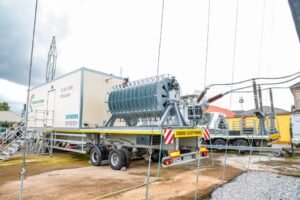
The completed pilot phase involved the installation of 10 power transformers and 10 mobile substations supplied by Siemens Energy.
These facilities were deployed across 10 locations in Nigeria.
The locations include Ajah in Lagos, Ibadan in Oyo State, Sapade in Ogun State, Potiskum in Yobe State and Kwanar Dan-gora in Kano State.
Other installations were completed in Jebba, Okene, Apo in Abuja, Ihovbor in Edo State and Amukpe in Delta State.
The equipment is intended to increase the electricity transmission network’s ability to accommodate and deliver power.
However, additional transmission capacity is not the same as additional electricity generation.
Actual electricity supply to consumers will still depend on available generation, distribution infrastructure and operational conditions.
More Than 4,000MW Still to Be Delivered
Although the pilot phase has been completed, the majority of the project’s proposed capacity remains unfinished.
According to the programme report, another 984MW is being implemented through the first batch of transmission substation upgrades.
An additional 3,376MW is planned through the second batch and other special infrastructure projects.
The second batch includes 12 substations expected to provide approximately 2,400MW of additional capacity.
Special projects at Epe and Omotosho are also expected to contribute another 976MW.
These installations could significantly strengthen Nigeria’s transmission infrastructure if successfully completed.
However, many of the proposed projects are still progressing through financing, contracting and regulatory processes.
Why Has the Project Experienced Delays?
The Siemens power initiative was conceived in 2018, with the implementation agreement signed in July 2019.
The programme was intended to significantly improve Nigeria’s electricity infrastructure.
However, implementation has faced repeated delays.
Outstanding challenges include contract execution, financing arrangements, environmental assessments and project approvals.
The programme uses a financing structure in which export credit agencies and development finance institutions provide approximately 85% of the funding, while the Federal Government contributes the remaining 15%.
This arrangement requires coordination among multiple institutions before projects can progress.
What This Means for Nigerian Businesses
Electricity supply remains one of the biggest challenges facing businesses in Nigeria.
Manufacturers, supermarkets, hospitals, hotels and other commercial establishments often depend on alternative power sources.
This can increase operating expenses and reduce competitiveness.
Improving transmission capacity could help electricity generated by power plants reach more distribution networks.
For businesses, the potential benefits include fewer infrastructure-related disruptions, more dependable operations and reduced dependence on backup generators.
However, transmission upgrades alone will not solve every electricity problem.
Improved generation capacity, adequate gas supply, reliable distribution systems and stronger operational management will also be necessary.
Opportunities for the Energy Industry
Continued investment in electricity infrastructure could create opportunities for engineering companies, equipment suppliers and technical service providers.
Local contractors may benefit from project-related construction, electrical installations and maintenance activities.
The programme could also support demand for skilled professionals in power engineering and infrastructure management.
Nevertheless, potential business opportunities will depend on approved contracts and actual project implementation.
The Bigger Picture
The completed 1,080MW transmission expansion demonstrates progress in Nigeria’s electricity reform efforts.
However, with approximately 80.5% of the target still outstanding, meeting the 2028 objective will require faster project execution.
For Nigerian businesses, success should ultimately be measured not only by installed transformers or announced capacity, but by consistent improvements in reliable electricity supply.
The coming years will be crucial in determining whether the Siemens initiative can deliver the infrastructure improvements originally envisioned.









Post Comment