Nigeria’s Oil Revenue Drops by ₦1.44 Trillion Despite Rising Global Crude Prices
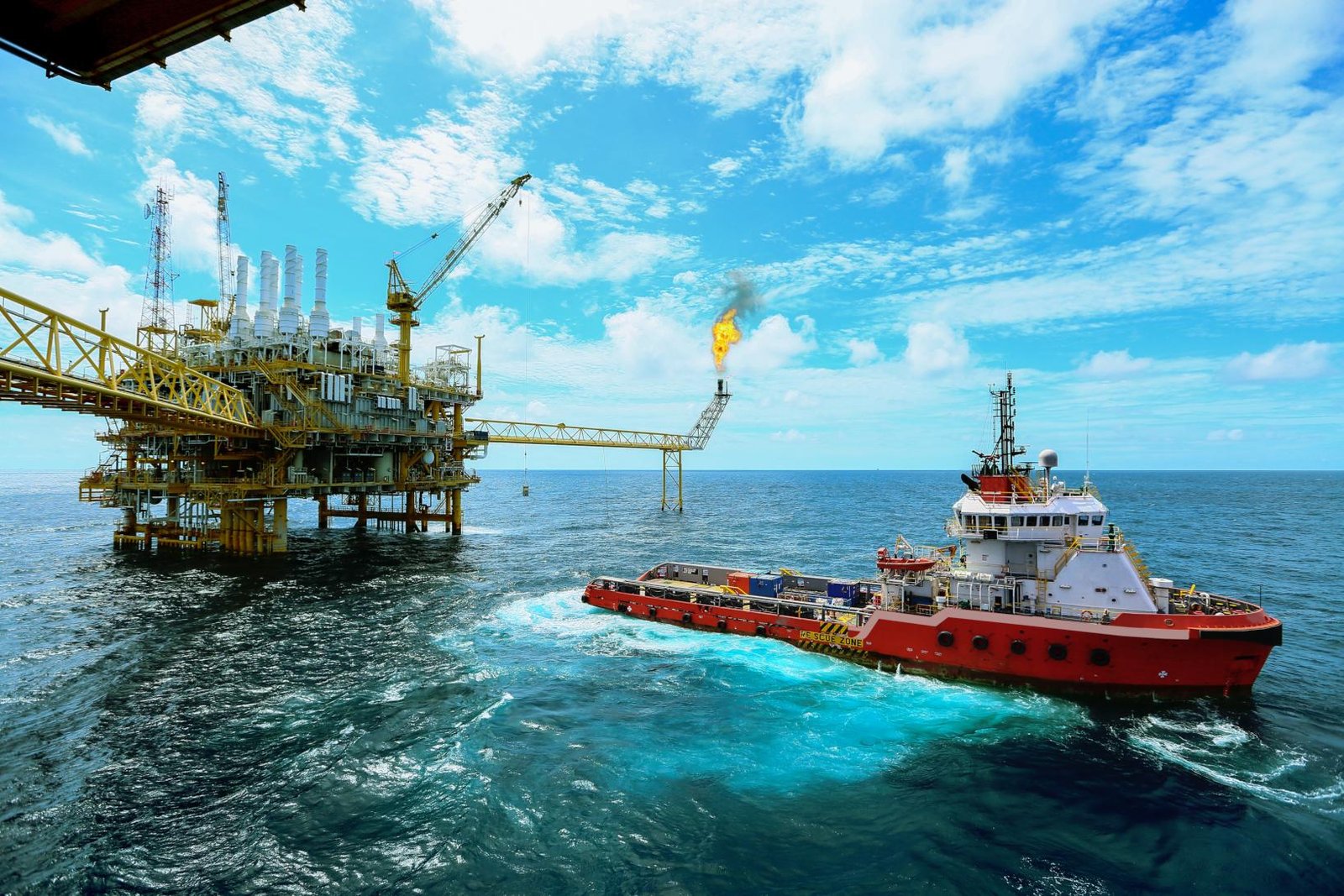
Nigeria’s oil sector has recorded a major revenue setback, with the Federal Government losing approximately ₦1.44 trillion in gross oil earnings during the first six months of 2026, even as international crude oil prices increased significantly.
The development raises fresh concerns about the country’s ability to maximise earnings from its petroleum resources and meet government revenue targets.
According to figures from the Budget Office of the Federation reported by Punch Newspapers on November 24, 2026, gross oil revenue declined to ₦7.88 trillion between January and June 2026.
This compares with approximately ₦9.32 trillion recorded during the corresponding period in 2025, representing a year-on-year decline of 15.45%.
Higher Oil Prices Fail to Boost Government Revenue
One of the most significant aspects of the report is the contrast between rising global oil prices and declining government receipts.
International crude oil prices averaged approximately $104.52 per barrel during the second quarter of 2026, compared with $74 per barrel during the corresponding period in 2025.
This represents an increase of 41.23%.
The average price was also substantially higher than Nigeria’s 2026 budget benchmark of $64.85 per barrel.
Ordinarily, higher international oil prices can increase revenue opportunities for crude-producing countries.
However, Nigeria’s latest fiscal performance demonstrates that favourable prices alone do not guarantee increased government earnings.
Government Misses Oil Revenue Target by ₦10.78 Trillion
The Budget Office report revealed that the Federal Government had projected gross oil revenue of approximately ₦18.65 trillion during the first half of 2026.
Actual collections of ₦7.88 trillion represented only 42.22% of the target.
The resulting shortfall of approximately ₦10.78 trillion highlights the significant gap between budget expectations and actual revenue performance.
This could complicate government financial planning, particularly when expenditure commitments depend on projected oil earnings.
Why Nigeria Is Struggling to Maximise Oil Revenue
Several structural challenges continue to affect Nigeria’s petroleum industry.
These include inadequate investment in production facilities, pipeline vandalism, crude oil theft, infrastructure limitations and difficulties maintaining output.
Production levels also remained below budget expectations.
Average crude oil production reached approximately 1.72 million barrels per day during the second quarter of 2026.
Although this represented an improvement from 1.68 million barrels per day in the corresponding period of 2025, it remained below the government’s target of 1.84 million barrels daily.
The difference of approximately 120,000 barrels per day demonstrates the importance of improving production capacity and operational efficiency.
What This Means for Nigerian Businesses
Government oil revenue plays an important role in Nigeria’s public finances.
When revenue falls significantly below expectations, the government may face increased pressure to raise funds through borrowing, non-oil revenue or expenditure adjustments.
Businesses can be affected when public infrastructure projects experience funding difficulties or government payments are delayed.
The development also reinforces the importance of expanding Nigeria’s non-oil economy.
Manufacturing, agriculture, technology and services could help reduce the country’s dependence on petroleum-related income.
For investors, the situation highlights opportunities in oil infrastructure development, engineering and operational efficiency, although investment decisions remain subject to significant commercial and regulatory risks.
The Bigger Picture
Nigeria’s ₦1.44 trillion oil revenue decline demonstrates that resource availability and favourable international prices are not sufficient to guarantee strong fiscal performance.
Improved infrastructure, investment, production reliability and transparent revenue administration will be essential to strengthening future earnings.
For Nigeria’s economy, the priority should be converting its petroleum resources into sustainable revenue while developing other productive industries capable of supporting long-term growth.
Without addressing the structural challenges within the sector, Nigeria could continue missing important revenue opportunities even during periods of high global oil prices.







Post Comment