FG Pitches $78.5bn Investment Projects to Polish Investors, Targets 366,000 Jobs
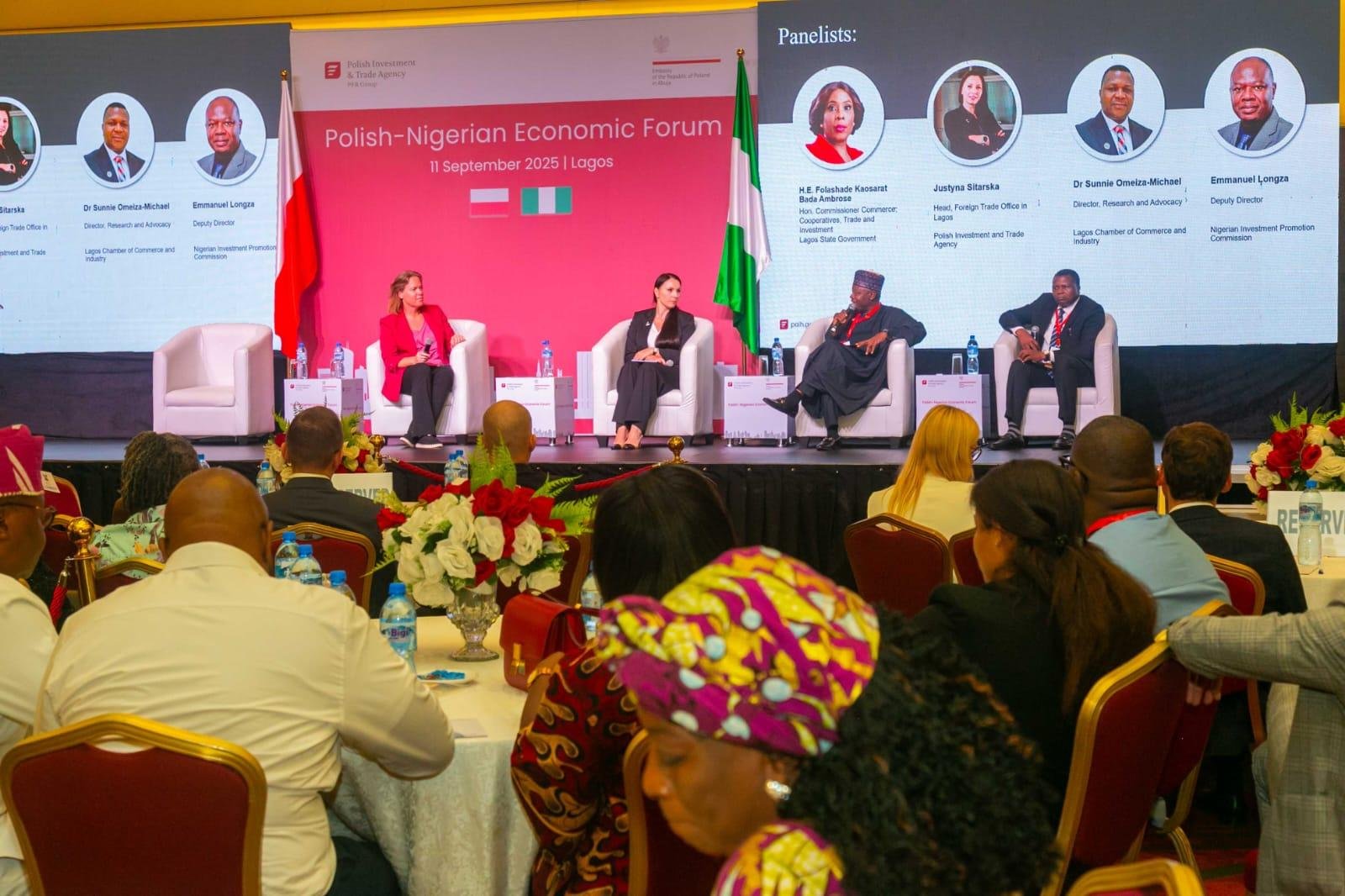
The Federal Government has presented 65 investment projects valued at approximately $78.5bn to Polish investors as part of efforts to attract foreign capital, expand domestic production and create an estimated 366,000 jobs across Nigeria’s productive sectors.
The Minister of Finance and Coordinating Minister of the Economy, Taiwo Oyedele, presented the investment opportunities at the second Polish-Nigerian Economic Forum in Lagos, where he called for stronger economic cooperation between Nigeria and Poland.
The projects cover infrastructure, manufacturing and energy, with the government stating that the investment opportunities have been supported by completed feasibility studies to facilitate private-sector participation.
The initiative is part of the government’s broader effort to attract international investment into commercially viable projects and strengthen Nigeria’s capacity for industrial development.
Government Identifies 65 Investment Opportunities
The investment opportunities were curated through Projects Nigeria, a government deal-room facility designed to connect investors with commercially viable projects across the country.
According to the Ministry of Finance, the 65 projects are structured to attract private capital into infrastructure, manufacturing and energy, sectors considered important for economic expansion and job creation.
The government is seeking to encourage institutional investors, industrial companies and other international partners to participate in projects that could improve production capacity, strengthen infrastructure and support economic diversification.
The presentation also reflects efforts to move Nigeria’s investment strategy beyond traditional commodity exports towards partnerships that support industrial production and value-added activities.
Nigeria and Poland Seek Stronger Economic Partnership
Oyedele said Nigeria and Poland could expand their economic relationship through increased investment, industrial cooperation, technology transfer and broader trade opportunities.
Despite longstanding diplomatic and economic relations, bilateral merchandise trade between the two countries stood at $734m in 2025, comprising $565m in Nigerian exports to Poland and $169m in Polish exports to Nigeria.
Nigeria recorded a trade surplus of $396m during the period, although crude oil accounted for more than 90 per cent of its exports to Poland.
The government believes the relationship could be expanded through opportunities in processed agricultural products, fertilisers, industrial machinery, technology, manufacturing and services.
Industrial Investment Could Support Job Creation
The proposed investment projects are expected to support employment across infrastructure construction, manufacturing, energy, transportation and other productive sectors.
Greater investment in industrial facilities could also strengthen supply chains, improve local production capacity and increase opportunities for Nigerian businesses to participate in domestic and international markets.
The government has encouraged Nigerian businesses to prioritise the export of finished products while exploring partnerships with Polish companies for engineering expertise, machinery, technology and industrial equipment.
Such partnerships could help businesses improve productivity, reduce production constraints and expand operations.
Lagos Port Project Highlights Bilateral Investment Potential
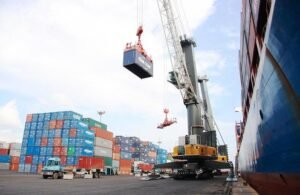
Oyedele also cited the modernisation of the Lagos Port Complex at Apapa and Tin Can Island as an example of how international partnerships could translate into major infrastructure investment.
The project is supported by Polish financing and is expected to improve port operations, reduce logistics costs and strengthen Nigeria’s trade competitiveness.
The minister called for greater use of development financing and fiscal instruments to support investments that improve employment generation and household incomes.
Nigeria Seeks to Convert Investment Interest Into Projects
While the presentation of the $78.5bn investment portfolio represents an effort to attract international capital, the success of the initiative will depend on actual investment commitments, financing arrangements and project implementation.
Nigeria’s ability to attract investors will also depend on regulatory stability, infrastructure availability, security, access to foreign exchange and the commercial viability of proposed projects.
The government is positioning the investment portfolio as an opportunity for international businesses to participate in Nigeria’s economic development while supporting industrial growth, employment and diversification.
If successfully implemented, the projects could strengthen productive capacity and deepen Nigeria’s economic relationship with international investment partners.









Post Comment