FG Begins ₦1.45tn Lagos Port Upgrade, Eyes 20,000 Jobs
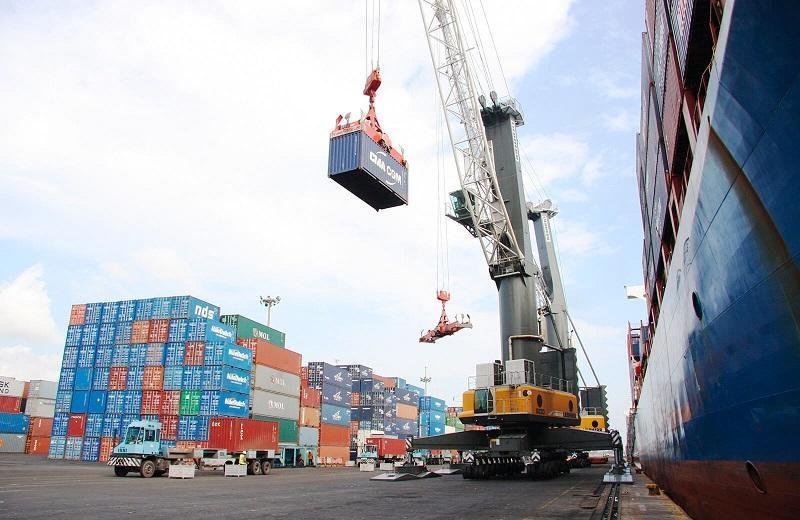
The Federal Government has commenced a ₦1.45tn modernisation programme for the Lagos Port Complex, Apapa, and Tin Can Island Port, in a major infrastructure investment aimed at improving Nigeria’s maritime competitiveness, reducing cargo handling costs and attracting more international shipping traffic.
The Minister of Marine and Blue Economy, Adegboyega Oyetola, alongside the Minister of Finance and Coordinating Minister of the Economy, Taiwo Oyedele, and other government officials, flagged off the project on Wednesday at Tin Can Island Port.
The project, valued at £746m, is expected to address longstanding infrastructure deficiencies at the country’s major maritime gateways while supporting trade expansion, industrial development and employment generation.
According to Oyetola, the modernisation programme is projected to create at least 20,000 direct and indirect jobs across construction, engineering, logistics, transportation, dredging, port operations and related services.
Ageing Infrastructure Threatens Nigeria’s Trade Competitiveness
Nigeria’s major Lagos ports have continued to handle significant volumes of international trade despite ageing infrastructure and increasing demands from modern shipping operations.
Apapa Port, established in 1913, and Tin Can Island Port, commissioned in 1977, have become increasingly inadequate as the country’s population, trade volume and cargo traffic continue to expand.
Oyetola noted that Nigeria’s economic activities have grown considerably since the establishment of Tin Can Island Port, with merchandise trade now exceeding $100bn annually and cargo throughput reaching 129.3 million metric tonnes.
He said the increasing mismatch between port infrastructure and commercial activity had made modernisation necessary to improve operational efficiency and support the country’s long-term economic ambitions.
Port Inefficiencies Continue to Increase Business Costs
The minister said cargo dwell time at Nigerian ports has historically ranged between 10 and 18 days, compared with approximately three to five days at leading international ports.
The delays have contributed to higher demurrage, storage charges, congestion and other logistics expenses affecting importers, exporters and manufacturers.
According to the government, port inefficiencies are estimated to cost the Nigerian economy as much as $4bn annually, highlighting the economic importance of improving infrastructure and operational systems.
Longer cargo clearance periods can also affect inventory management, increase working capital requirements and disrupt supply chains, particularly for businesses dependent on imported raw materials, machinery and industrial components.
Modernisation to Cover Critical Port Infrastructure
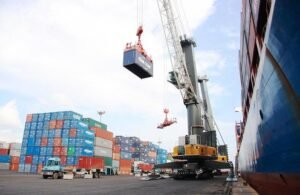
The upgrade programme is expected to include rehabilitation of quay walls and berths, dredging and navigation channels, access facilities, cargo-handling equipment and operational systems.
The project will also incorporate more integrated and digitally enabled port operations to improve efficiency and support the movement of cargo.
Oyetola said the government intends to attract more direct calls by international shipping lines, retain Nigerian-bound cargo, expand transshipment opportunities and position the country’s ports as preferred gateways to trade across the African Continental Free Trade Area.
The modernisation of Lagos ports is also expected to form part of a wider maritime infrastructure programme covering other major port facilities, including Onne, Delta and Calabar.
Investment Could Strengthen Nigeria’s Maritime Economy
The Minister of Finance, Taiwo Oyedele, described the project as an important step towards reducing the cost of doing business, strengthening national competitiveness and accelerating economic growth.
Improved port infrastructure could benefit manufacturers, farmers, exporters, importers, logistics companies and businesses involved in international trade.
The Nigerian Ports Authority also pledged to ensure technical supervision, quality assurance, safety and coordination throughout the project.
If effectively implemented, the Lagos ports modernisation programme could strengthen Nigeria’s position in regional trade, improve logistics efficiency and support wider economic activities linked to maritime transportation and industrial production.







Post Comment