FG Selects Eight Nigerian Startups for ₦1.07 Billion Equity Funding Under iDICE Growth Programme
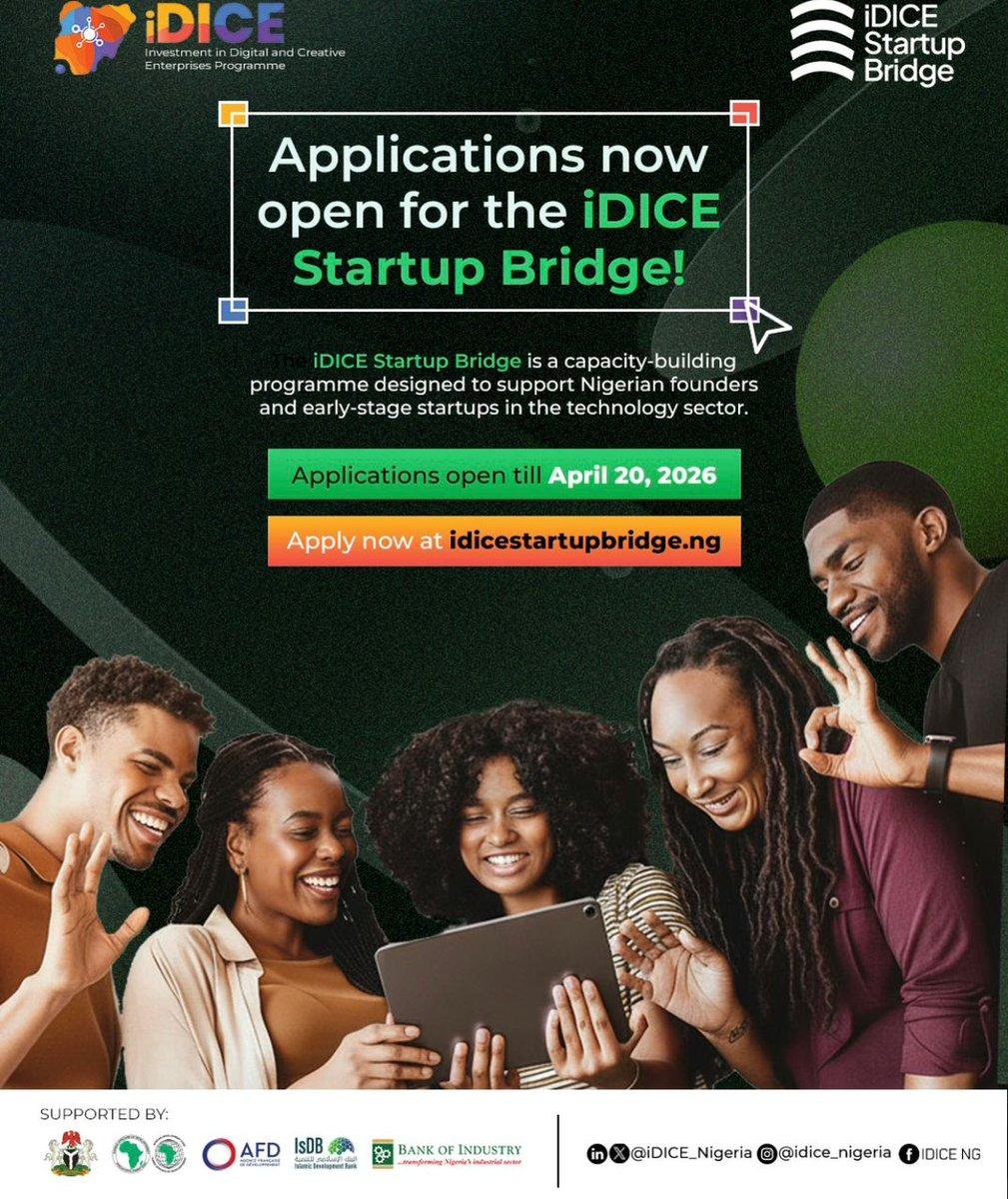
Nigeria’s technology and entrepreneurship ecosystem has received a boost following the selection of eight promising startups for approximately ₦1.07 billion in equity investment through the Federal Government-backed iDICE Growth Lab programme.
The initiative is designed to help Nigerian startups strengthen their operations, improve investment readiness and prepare for sustainable business expansion.
According to Punch Newspapers, the Growth Lab programme has officially commenced, with each selected startup eligible to access $100,000 in equity investment.
The funding represents approximately ₦134 million per company, based on the reported exchange-rate estimate.
Together, the eight investments amount to $800,000, equivalent to approximately ₦1.07 billion.
How the iDICE Programme Works
The Investment in Digital and Creative Enterprises programme, known as iDICE, is a Federal Government initiative implemented through the Bank of Industry.
It is supported by international development finance partners, including the African Development Bank, Agence Française de Développement and the Islamic Development Bank.
The programme aims to strengthen Nigeria’s digital and creative economy by helping entrepreneurs access financing, business expertise and institutional support.
The Growth Lab is part of the wider iDICE Startup Bridge initiative.
Unlike programmes that focus primarily on entrepreneurs in the earliest stages of development, Growth Lab is designed to support companies with demonstrated business potential and ambitions for further expansion.
Eight Nigerian Startups Selected
The selected companies represent several sectors of Nigeria’s growing digital economy.
They include:
- GoDash: A last-mile logistics startup from the North-West.
- Telios: An energy-focused business from the South-East.
- Vantrace: A regulatory technology company from the South-West.
- KrosAI: An artificial intelligence startup from the South-South.
- Leaflet: An agricultural technology company from the South-East.
- Lenol: A mobility-focused startup from the South-South.
- 360gadgetsafrica: An e-commerce business from the North-Central region.
- SavvyBee: A financial technology startup from the South-West.
The companies were selected through a multistage assessment involving business evaluation and due diligence.
The process was designed to identify startups with strong growth prospects and the capacity to benefit from investment and business development support.
More Than Just Financial Investment
Beyond the proposed $100,000 equity investment, participating startups will receive structured business support.
The programme includes access to industry experts, operational guidance, investment-readiness assistance and preparation for future fundraising opportunities.
Founders will also participate in activities aimed at strengthening their business models and addressing obstacles to expansion.
According to the programme’s National Coordinator, Ife Adebayo, the initiative is intended to support promising entrepreneurs with both capital and institutional assistance.
The aim is to help participating companies develop the systems and capabilities required to operate successfully as they grow.
What Equity Financing Means for Startups
Unlike a conventional business loan, equity financing generally involves an investor receiving an ownership interest in a company in exchange for capital.
This can reduce the immediate pressure associated with scheduled loan repayments.
However, founders must consider the ownership and governance implications of selling equity.
The final terms of the iDICE investments will determine how ownership interests are structured.
It is also important to distinguish the announced investment access from funds already disbursed to participating businesses.
Why Startup Financing Matters for Nigeria
Technology businesses can contribute to economic growth by developing solutions that improve efficiency across existing industries.
Logistics startups can support e-commerce and supply-chain management.
Agricultural technology businesses can help improve access to markets, information and farming services.
Financial technology companies can develop payment and financial management solutions, while artificial intelligence businesses may introduce new productivity tools.
However, promising technology alone does not guarantee commercial success.
Startups must also demonstrate sustainable revenue models, responsible financial management and a clear understanding of customer needs.
Opportunities for the Wider Business Ecosystem
The iDICE programme could create benefits beyond the eight selected companies.
As startups expand, they may require additional employees, software developers, consultants, marketing professionals and technology infrastructure.
Successful companies may also attract further investment and develop partnerships with established businesses.
The inclusion of startups from multiple geopolitical zones demonstrates the potential for technology entrepreneurship outside Nigeria’s traditional commercial centres.
The Bigger Picture
The approximately ₦1.07 billion equity investment initiative represents an effort to strengthen Nigeria’s emerging technology businesses.
While the initial group consists of eight startups, their progress could provide useful insights into how public-sector-backed investment programmes can support private enterprise.
For Nigeria’s digital economy, the real measure of success will be whether the selected startups grow into sustainable businesses, attract further investment and create long-term economic opportunities.
Continued access to financing, supportive regulations and strong business management will remain essential to achieving these outcomes.











Post Comment