AfDB Approves $102 Million Financing for Sterling Bank to Support Nigerian SMEs, Farmers and Entrepreneurs
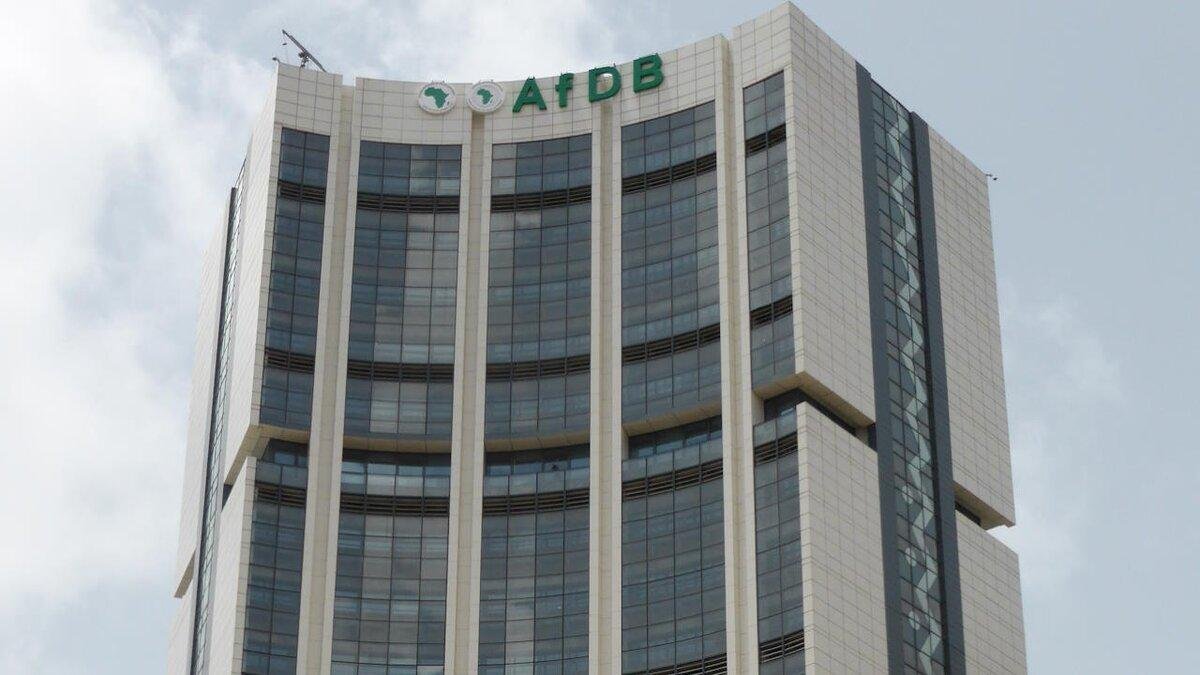
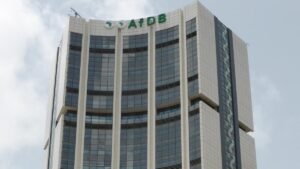
Nigeria’s small business sector is set to receive additional financial support following the African Development Bank Group’s approval of a $102 million financing package for Sterling Bank Nigeria Limited.
The facility is designed to improve access to credit for small and medium-sized enterprises, women-owned businesses, young entrepreneurs and vulnerable agricultural communities.
According to an announcement reported by Punch Newspapers on November 18, 2026, the funding package could support at least 200 businesses, create up to 6,000 jobs and provide assistance to more than 5,000 smallholder farmers.
The initiative reflects growing efforts to address the financing constraints affecting businesses across Nigeria.
How the $102 Million Financing Will Be Distributed
The approved package combines four financing components designed to serve different business needs.
The largest component is a $50 million line of credit intended to provide long-term financing to eligible businesses operating in priority sectors.
These sectors include healthcare, education, agriculture, renewable energy and transportation.
At least 30% of this credit facility, equivalent to $15 million, will be allocated to qualifying women-owned, women-led and youth-owned enterprises.
An additional $20 million sustainable loan will support eligible green and social investment projects.
The package also includes a $2 million concessional agricultural loan designed to assist vulnerable farming communities.
Finally, a $30 million trade finance guarantee is expected to facilitate up to $150 million in trade transactions.
The trade guarantee is a financial risk-sharing instrument and should not be confused with an additional $150 million cash disbursement.
Supporting Women and Youth-Led Businesses
Access to affordable financing remains one of the biggest barriers facing many Nigerian entrepreneurs.
Startups and small businesses frequently struggle to obtain loans because of collateral requirements, high interest rates and limited credit histories.
The allocation for women and young entrepreneurs could help eligible businesses expand their operations and strengthen their financial capacity.
Women-owned enterprises in agriculture, healthcare, education and other productive sectors may benefit from financing suited to their investment requirements.
However, the funding approval does not guarantee automatic access to loans. Borrowers will still need to meet Sterling Bank’s applicable eligibility and credit requirements.
More Than 5,000 Farmers Could Benefit
Agriculture is another major focus of the financing package.
The $2 million concessional component will support farming communities affected by insecurity, displacement and climate-related challenges.
The initiative will be implemented through the Sterling Affordable Microlending Programme in collaboration with the United Nations High Commissioner for Refugees.
Eligible smallholder farmers may receive financing to rebuild agricultural activities, strengthen production and improve their economic resilience.
The projected beneficiaries include more than 5,000 farmers and agricultural SMEs.
Boosting Nigerian Exports and International Trade
The $30 million trade finance guarantee could also support companies involved in international commerce.
Trade finance is important for businesses that need to purchase goods, meet export orders or manage payment risks associated with cross-border transactions.
By supporting trade transactions worth up to $150 million, the facility could improve access to regional and international supply chains for eligible Nigerian businesses.
This may be particularly relevant for manufacturers, agricultural exporters and companies seeking to diversify their customer base.
What This Means for Nigeria’s Economy
A stronger small business sector can contribute to employment generation, domestic production and economic diversification.
The financing arrangement could help entrepreneurs invest in machinery, expand facilities and develop new products.
However, its broader impact will depend on loan affordability, transparent allocation and whether businesses can generate sufficient revenue to repay their obligations.
The Bigger Picture
The AfDB’s latest approval demonstrates continued development-finance interest in Nigeria’s private sector.
It follows earlier financing packages for the Development Bank of Nigeria and the Bank of Industry.
For Nigerian entrepreneurs, the real value of the $102 million programme will depend on how effectively the approved financing reaches eligible businesses and translates into sustainable commercial growth.








Post Comment