Bill Gates Proposes ‘Human-Reserved’ Jobs, Robot Tax to Tackle AI Disruption
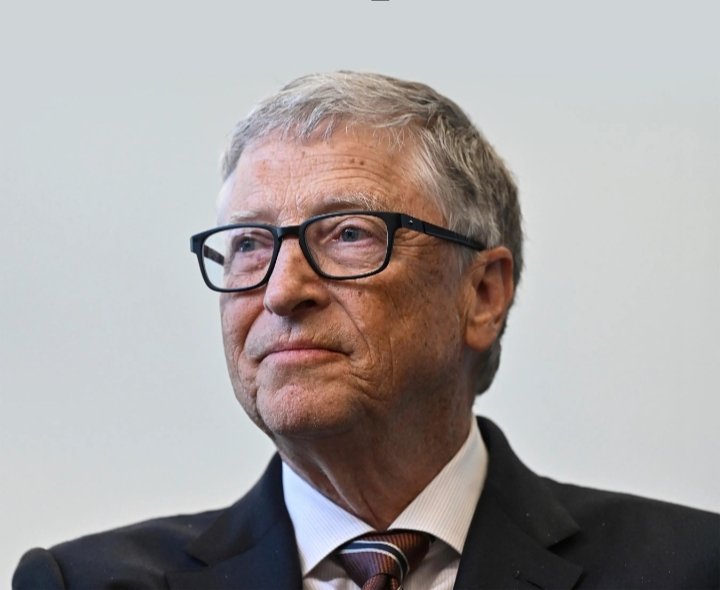
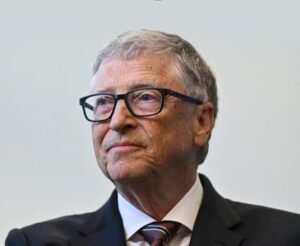
Microsoft co-founder Bill Gates has proposed reserving some jobs exclusively for humans and introducing taxes on AI and robots as governments prepare for the impact of artificial intelligence on employment.
Gates made the proposals in a more than 6,000-word essay titled “The turbulent AI era is here. The choices we make now. The choices we make now are critical,” published on his Gates Notes website.
The proposals form part of Gates’ broader recommendations for managing what he believes could be a major transformation in how people work, earn income and organise society as AI becomes increasingly capable.
Gates proposes ‘Human Reserved’ jobs
Gates suggested that some occupations could eventually be designated “Human Reserved”, meaning they would remain largely or entirely off-limits to AI and robotic replacement.
The idea was influenced partly by his experience with his father, who died of Alzheimer’s disease in 2020. Gates recalled the care his father received from professional caregivers, saying there was something deeply human about their ability to understand and respond to his needs.
According to Gates, some aspects of caregiving cannot and should not be replicated by machines.
He argued that economic considerations could also justify reserving certain occupations for humans, particularly where rapid automation could displace large numbers of workers who may find it difficult to transition into entirely different careers.
Gates cited construction workers as an example, noting that it would be unrealistic to expect an older worker who had spent decades in construction to simply switch to another profession because machines had taken over their previous role.
Healthcare and education could remain human-led
Gates said the decision to reserve jobs for humans would not be based solely on employment figures.
He pointed to healthcare as an area where human involvement could remain essential.
While a machine may technically be capable of delivering devastating medical news to a patient, Gates argued that such moments should remain human.
He suggested that education and mental healthcare could develop into hybrid fields, where AI assists professionals while humans remain responsible for important decisions and interactions.
He also acknowledged that the boundaries of “Human Reserved” jobs could differ from one country to another.
For example, countries facing ageing populations and shortages of younger workers may be more willing to use robots for elderly care, while others may choose to preserve human caregiving roles.
Gates renews call for AI and robot taxes
Gates also renewed his longstanding proposal for taxing AI systems and robots.
He argued that current tax systems can create an incentive for businesses to replace workers with machines. Employers generally pay payroll taxes when they hire people, while investments in machines can often receive favourable tax treatment.
According to Gates, introducing taxes on AI and robots could slow the pace of automation while generating revenue for worker retraining and stronger social safety-net programmes.
He acknowledged that critics could argue such a policy would reduce economic efficiency but maintained that employment provides broader value to individuals and society beyond wages alone.
Gates said a robot tax would not solve all the employment challenges associated with AI, but described it as one part of a broader response.
Governments urged to prepare now
Gates warned that governments should begin preparing before AI-driven job losses become widespread.
He called for policies that address the issue across different sectors rather than leaving AI-related employment challenges to isolated government agencies.
He also urged governments to involve workers, students, educators, parents, community leaders and other groups in discussions about how AI should reshape society.
The central question, according to Gates, is how governments can ensure that the benefits of AI are shared beyond people who already have wealth, influence and access to technology.
As AI continues to advance, Gates believes the debate should extend beyond what machines can do to what society believes machines should do.
The challenge, he suggested, is not simply managing technological progress, but deciding how to preserve human dignity, opportunity and connection in an increasingly automated world.







Post Comment