Uganda Courts Dangote for Major Oil Refinery and Fertiliser Investments as African Expansion Opportunities Grow
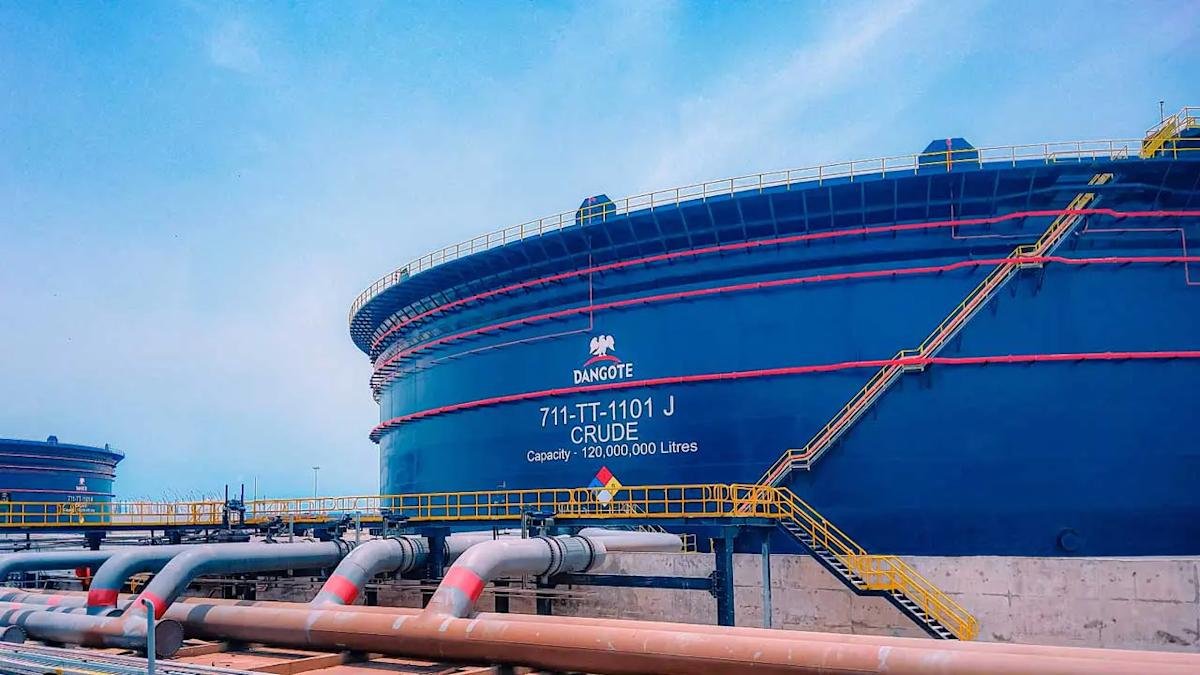
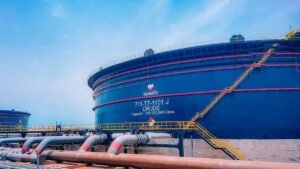
Uganda has invited Nigerian billionaire Aliko Dangote to participate in major industrial projects, including a proposed 60,000-barrel-per-day oil refinery, as the East African country seeks to strengthen domestic manufacturing and reduce dependence on imported products.
The invitation was extended during a visit by senior Ugandan government officials to Dangote’s petroleum refinery and fertiliser production facilities in Lagos.
According to Punch Newspapers, the delegation was led by Uganda’s Minister of Energy and Mineral Development, Dr Monica Musenero Masanza, and Minister of State for Finance, Planning and Economic Development, Hajjat Amina Mukalazi.
The engagement focused on possible cooperation in petroleum refining, fertiliser manufacturing, phosphate processing and salt production.
Uganda Targets a 60,000-Barrel Refinery
One of the delegation’s major proposals involves the development of a 60,000-barrel-per-day oil refinery in Hoima, Uganda.
The project is part of Uganda’s wider ambition to process more of its natural resources domestically rather than exporting raw materials.
Government officials believe Dangote Group’s experience in developing large industrial facilities could contribute technical expertise, financing capabilities and operational knowledge.
Uganda also identified potential opportunities in fertiliser blending, phosphate processing and salt manufacturing.
These projects could support local agriculture, industrial development and employment generation.
Strengthening Africa’s Industrial Value Chain
African economies have historically depended heavily on exporting raw materials while importing higher-value finished products.
This structure limits opportunities for local manufacturing and reduces the economic value retained within producing countries.
Uganda’s interest in partnering with Dangote reflects a growing desire to change that pattern.
By investing in refineries, fertiliser plants and chemical production, African countries could develop stronger domestic supply chains and reduce selected import requirements.
The proposed Ugandan refinery could also complement Dangote Group’s previously discussed refinery project in Lamu, Kenya.
Together, such facilities could potentially improve petroleum product supply across parts of East Africa.
However, these remain proposals requiring commercial and technical assessment.
What This Means for Nigerian Businesses
The development highlights the international expansion opportunities available to successful Nigerian industrial companies.
Large-scale investments outside Nigeria can strengthen regional business relationships and create new commercial networks.
Nigerian engineering companies, equipment suppliers, technical consultants and logistics providers could potentially benefit from associated projects.
For investors, the discussions also demonstrate growing interest in African-led industrial development.
Nevertheless, investment opportunities will depend on final project structures, financing arrangements and implementation decisions.
No Final Investment Agreement Yet
Although the Ugandan delegation expressed strong interest in a partnership, Dangote Group has not announced a final investment commitment.
The proposed refinery, fertiliser and mineral-processing projects will require feasibility studies, financial evaluation and detailed commercial negotiations.
Ugandan officials have invited Dangote to visit the country for further discussions and indicated their willingness to address potential investment obstacles.
The scale and timing of any eventual investment remain uncertain.
The Bigger Picture
Uganda’s approach to Dangote Group reflects the increasing recognition of Nigerian industrial expertise across Africa.
It also highlights the potential for African companies to play larger roles in developing the continent’s energy, agricultural and manufacturing sectors.
If the discussions produce viable investments, they could strengthen industrial cooperation, support employment and create new opportunities for African businesses to compete in regional markets.
For now, the development represents a significant investment invitation rather than a completed transaction.







Post Comment