Nigeria’s Exports to China Fall 54% as Trade Deficit Widens to ₦5.41 Trillion Despite Zero Tariffs
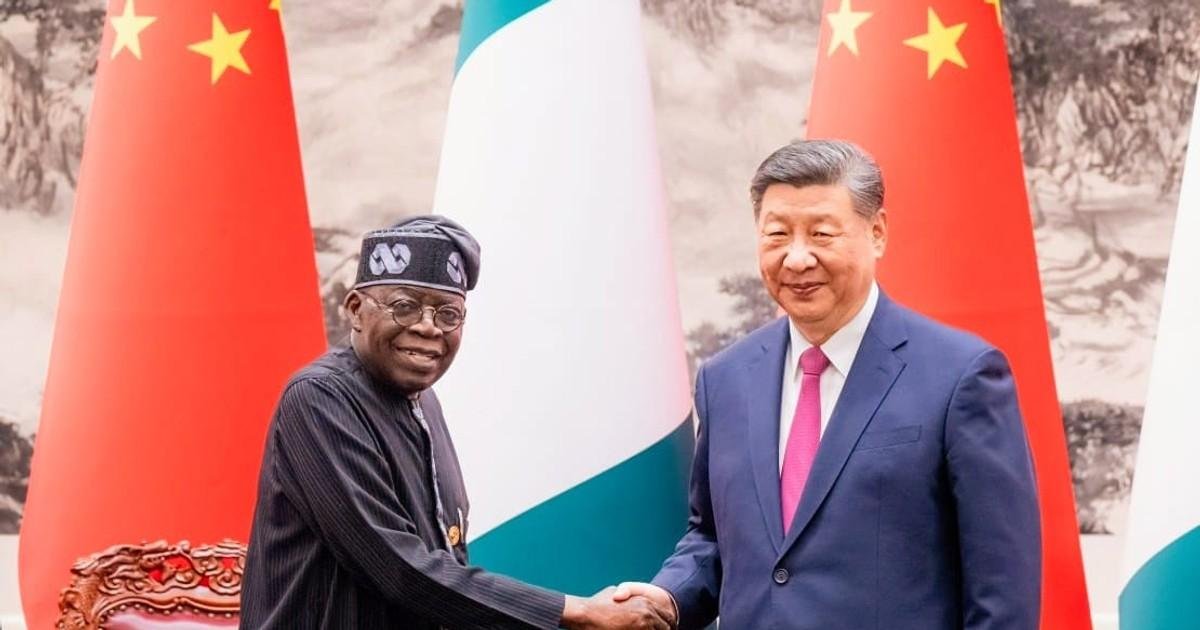
Nigeria’s trade relationship with China is facing renewed scrutiny after merchandise exports to the Asian economic powerhouse declined by approximately ₦601.82 billion in the second quarter of 2026, despite the introduction of preferential tariff-free market access.
The development has raised concerns about Nigeria’s export competitiveness and its ability to take full advantage of international trade agreements.
According to an analysis of National Bureau of Statistics data published by Punch Newspapers on November 13, 2026, Nigeria’s exports to China dropped from ₦1.108 trillion in the second quarter of 2025 to ₦506.57 billion during the corresponding period in 2026.
This represents a substantial year-on-year decline of 54.30%.
Nigeria’s Trade Deficit with China Continues to Grow
While Nigerian exports to China declined, imports from the country increased significantly.
Nigeria imported goods worth approximately ₦5.92 trillion from China during the second quarter of 2026, compared with ₦4.96 trillion a year earlier.
The increase of ₦955.58 billion represents growth of 19.26%.
As a result, Nigeria’s merchandise trade deficit with China widened from ₦3.85 trillion to ₦5.41 trillion.
This means the country purchased substantially more goods from China than it exported to the Chinese market.
China also accounted for approximately 41% of Nigeria’s total import expenditure during the quarter, reinforcing its position as the country’s largest source of imported goods.
Why Has the Zero-Tariff Agreement Not Delivered Immediate Results?
China introduced zero-tariff treatment for qualifying Nigerian exports on May 1, 2026.
The initiative is intended to improve market access for Nigerian products, particularly agricultural and manufactured goods.
Under the arrangement, eligible exports can enter China without ordinary import tariffs, subject to customs requirements, rules of origin and other applicable conditions.
However, removing tariffs does not automatically increase exports.
Nigerian exporters must still compete on product quality, pricing, logistics efficiency, production capacity and compliance with Chinese market requirements.
An important consideration is that the second-quarter data covers April through June, while the tariff concession began on May 1. The figures therefore do not establish whether the policy itself caused or failed to prevent the decline.
The reported trade values also do not distinguish between changes in physical export quantities and changes in commodity prices.
India Emerges as a Stronger Asian Export Destination
Interestingly, Nigeria’s overall exports increased during the same period.
Total merchandise exports rose by 18.77%, reaching ₦27.02 trillion.
Exports to Asia also increased by 17.55% to ₦8.72 trillion.
India recorded especially strong growth, with Nigerian exports to the country rising by 65.95% to approximately ₦3.29 trillion.
This suggests that the decline in exports to China was not part of a general collapse in Nigeria’s export trade.
What This Means for Nigerian Businesses
The trade figures highlight opportunities for businesses looking to expand beyond the domestic market.
Agricultural exporters, manufacturers and commodity traders may need to strengthen product standards, improve supply reliability and build more effective distribution relationships.
Businesses should also assess Chinese market demand before assuming that tariff-free access will make every product commercially competitive.
For policymakers, the figures reinforce the importance of developing export infrastructure, efficient ports, certification systems and competitive local production.
The Bigger Picture
Nigeria’s widening trade deficit with China reflects broader challenges associated with dependence on imported goods and limited export diversification.
The tariff agreement provides an opportunity to improve market access, but stronger export earnings will require sustained improvements in domestic production and international competitiveness.
The central challenge is turning favourable trade agreements into measurable commercial opportunities for Nigerian businesses.













Post Comment