FCMB Backs ₦40 Billion Plastic Recycling Facility in Ogun State, Creating New Manufacturing Opportunities
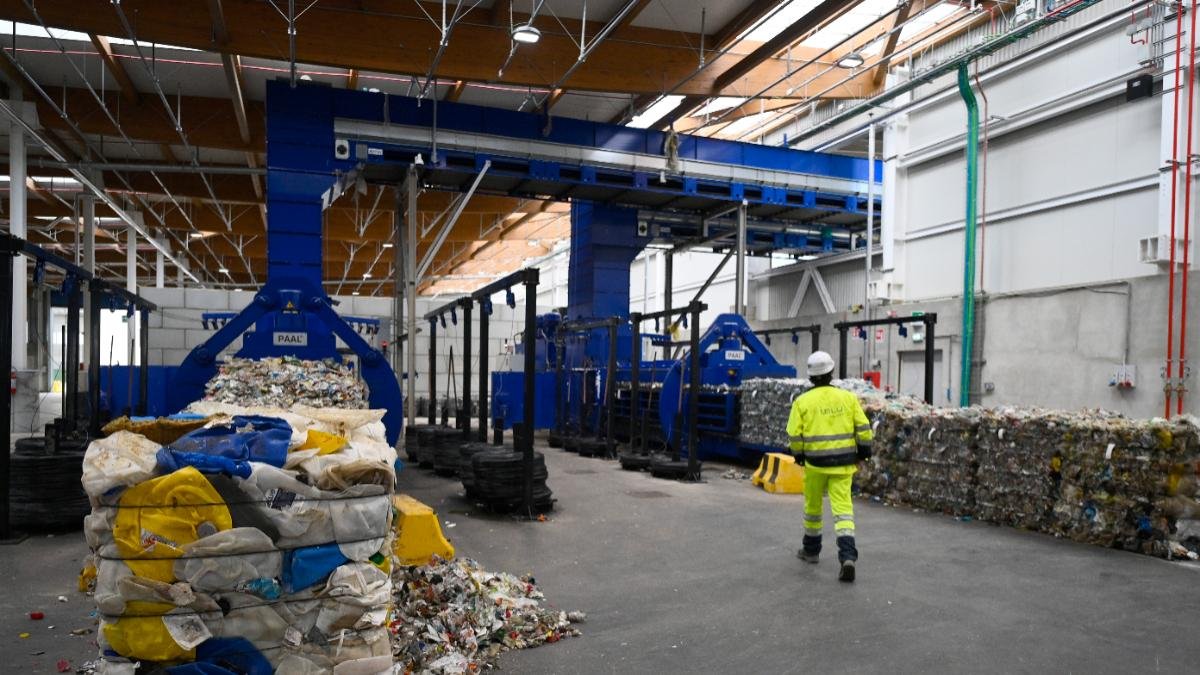
Nigeria’s recycling and manufacturing industries have received a significant boost as First City Monument Bank provides ₦40 billion in machinery and working-capital financing to support a major plastic recycling facility in Ogun State.
The investment supports Polysmart Packaging Limited, which has developed a recycling plant with an annual production capacity of 60,000 tonnes of food-grade recycled plastic materials.
Located in Ileke, Ogun State, the facility is designed to convert discarded plastic bottles and other recovered materials into products that manufacturers can reuse.
According to Punch Newspapers, the plant was commissioned on October 29, 2026, and has been described by its developers as Africa’s largest plastic recycling facility.
Turning Plastic Waste Into Valuable Materials
The factory will process post-consumer plastic waste into recycled polyethylene terephthalate, commonly known as PET.
PET is widely used in food and beverage packaging, making it an important raw material for manufacturers.
By producing recycled PET domestically, Polysmart aims to reduce dependence on imported raw materials while creating commercial value from discarded plastics.
The company estimates that the facility could process up to 100,000 tonnes of mixed plastic waste annually at full operational capacity.
This is equivalent to approximately 6.5 billion plastic bottles.
The distinction is important: the plant’s stated annual output capacity is 60,000 tonnes of recycled material, while its estimated waste-processing capacity is higher.
Over 50,000 Indirect Jobs Projected
Beyond industrial production, the project is expected to create employment opportunities across Nigeria’s recycling value chain.
According to Polysmart’s management, the facility could support approximately 1,000 direct jobs and more than 50,000 indirect jobs.
These opportunities are expected to emerge in plastic collection, waste aggregation, transportation, processing and associated services.
Independent waste collectors and small recycling businesses could benefit from increased demand for recovered plastic materials.
However, these figures represent projected employment opportunities rather than jobs independently verified as already created.
Potential to Save $72 Million in Foreign Exchange
Polysmart estimates that Nigeria consumes approximately 600,000 tonnes of virgin PET annually.
By expanding domestic recycling capacity, the company believes the facility could reduce the need for imported plastic materials.
Its management projects potential foreign exchange savings of approximately $72 million annually.
Such savings would depend on actual production volumes, market demand, product quality and the extent to which recycled materials replace imports.
Nevertheless, the proposal highlights the economic benefits of developing local manufacturing capacity.
What This Means for Nigerian Businesses
The investment creates potential opportunities for businesses involved in manufacturing, logistics, packaging and waste management.
Beverage companies and packaging manufacturers may gain access to additional locally sourced recycled materials.
Small waste collection businesses could also benefit from stronger demand for recyclable plastics.
For financial institutions, the transaction demonstrates how commercial lending can support projects that combine industrial development with environmental sustainability.
The Bigger Picture
The ₦40 billion financing arrangement reflects growing opportunities within Nigeria’s circular economy.
Rather than treating discarded plastics solely as waste, businesses can develop systems that transform them into valuable industrial inputs.
If the facility achieves its projected capacity, it could strengthen domestic production, reduce plastic pollution and create economic opportunities across the recycling industry.
For Nigeria, the investment demonstrates how industrial financing and environmental responsibility can work together to support long-term economic growth.










Post Comment