NPA Highlights Apapa Port Congestion as Nigeria Accelerates Digital Maritime Reforms
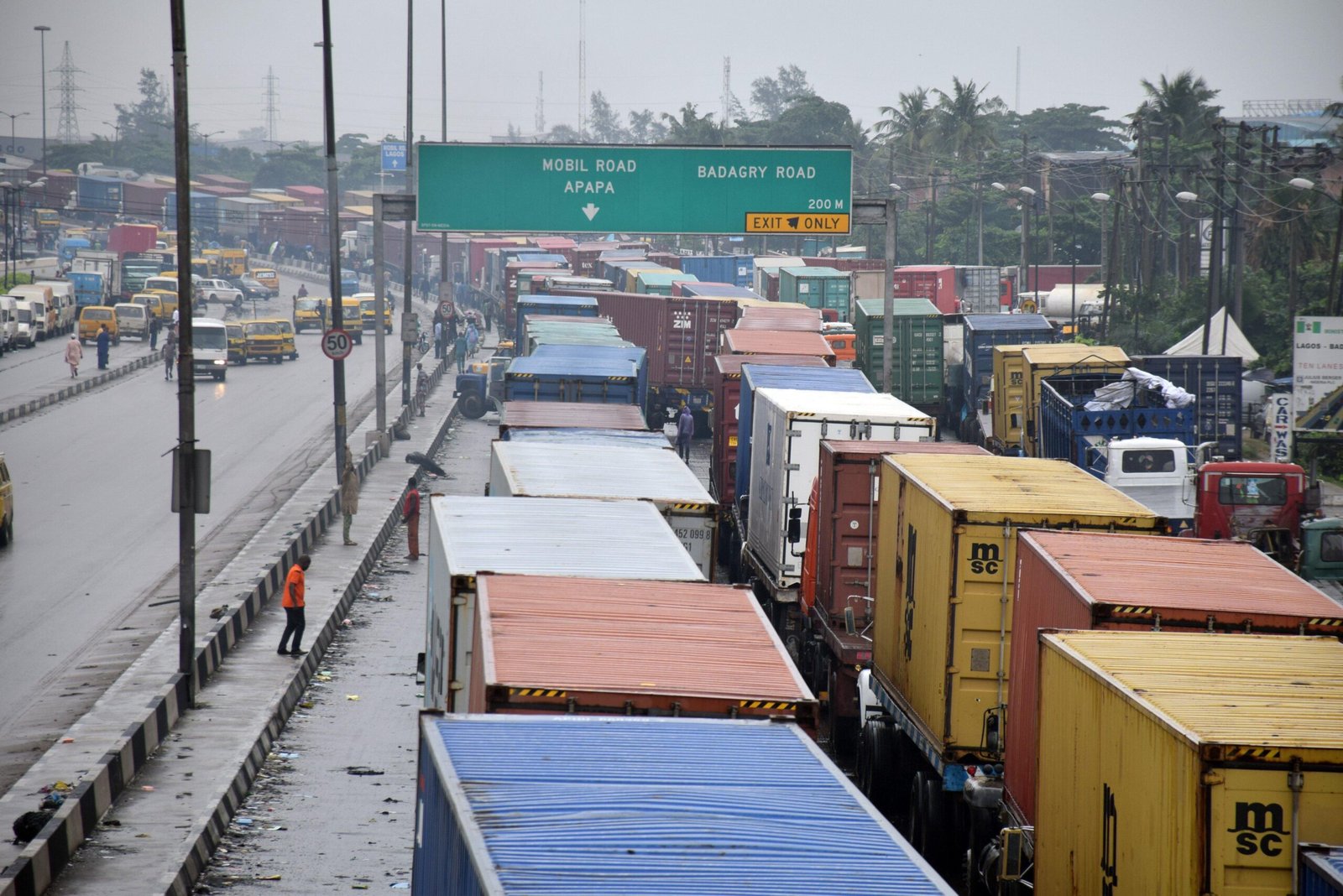
The Nigerian Ports Authority (NPA) has highlighted the significant pressure on Lagos port infrastructure, revealing that the Apapa access road, originally designed to accommodate approximately 2,400 trucks daily, had experienced traffic volumes exceeding 7,000 trucks.
The disclosure underscores longstanding logistics challenges facing Nigeria’s maritime sector and reinforces the need for improved transportation infrastructure, digital port operations and coordinated trade facilitation.
Addressing Congestion at Nigeria’s Major Ports
Speaking at the African Ports Conference in Casablanca, Morocco, NPA Managing Director Dr Abubakar Dantsoho explained that congestion and operational inefficiencies had previously contributed to prolonged cargo delays and disruptions to commercial activities.
The situation has placed considerable pressure on importers, exporters, haulage companies and businesses that depend on efficient port operations.
To address these challenges, the authority has introduced reforms aimed at improving truck movements and strengthening coordination among operators.
Among the initiatives is the Eto electronic truck call-up system, designed to organise truck movements and reduce congestion along major port corridors.
The authority has also advanced digital trade facilitation through the National Single Window and a beta version of the Port Community System.
Technology Driving Port Efficiency
The adoption of digital infrastructure is expected to improve information sharing among Customs, shipping companies, terminal operators and other regulatory agencies.
According to the NPA, Nigeria’s cargo throughput increased by 24.8% to 129.3 million metric tonnes in 2025, reflecting higher cargo volumes handled by the country’s ports.
The authority also highlighted improvements recorded by Apapa and Tin Can Island ports in international port performance assessments.
These developments indicate progress in port operations, although infrastructure limitations and coordination challenges remain important concerns.
Implications for Nigerian Businesses
Efficient port operations are essential to Nigeria’s international trade competitiveness.
Reduced congestion and faster cargo processing could lower transportation expenses, minimise demurrage charges and improve delivery schedules.
For manufacturers and retailers, these improvements could also support better inventory management and reduce disruptions to supply chains.
The success of ongoing reforms may therefore influence business operating costs, import efficiency and Nigeria’s attractiveness to international investors.
Strengthening Regional Trade Connectivity
Beyond domestic operations, the NPA has emphasised the importance of regional cooperation in cybersecurity, data sharing and port performance management.
Greater coordination among African ports could support smoother trade movements across West and Central Africa.
The Bigger Picture
Nigeria’s port modernisation efforts represent an important opportunity to strengthen logistics efficiency and improve international trade competitiveness.
However, sustainable progress will require continuous investment in road infrastructure, digital systems, cybersecurity and effective coordination among maritime stakeholders.
For the business community, measurable improvements in cargo turnaround times and transportation costs will remain the ultimate indicators of success.













Post Comment