Nigeria’s FX Market Turnover Falls 51% to $1.81 Billion as Dollar Trading Activity Weakens
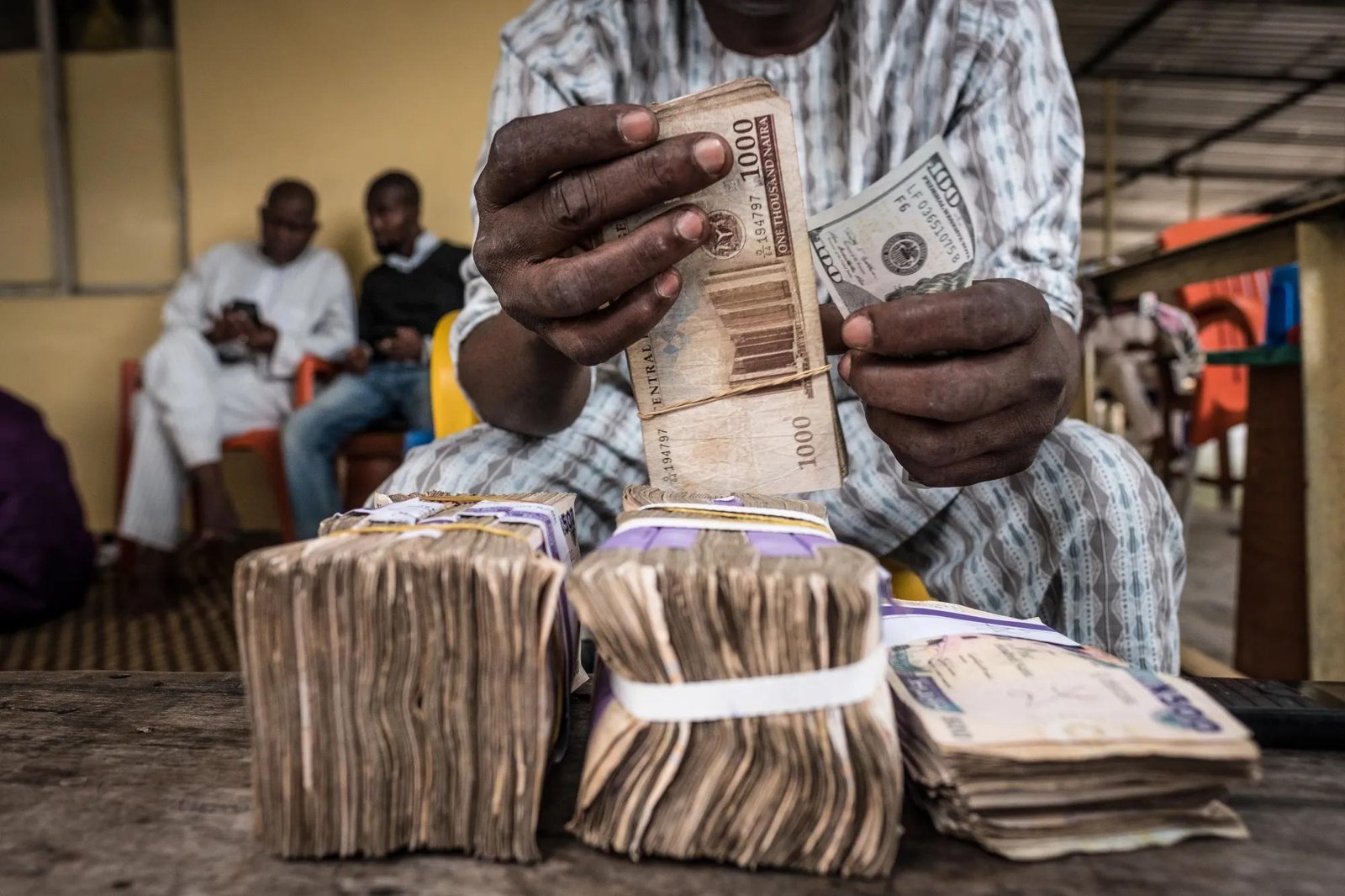
Nigeria’s foreign exchange market recorded a significant decline in trading activity, with total dollar transactions falling by 51.29% to $1.81 billion during the week ended November 6, 2026.
The decline represents a reduction of approximately $1.90 billion compared with the $3.71 billion recorded during the preceding week.
According to market data reported by Punch Newspapers, the development coincided with a marginal depreciation of the naira, drawing attention to changing liquidity conditions in the country’s foreign exchange market.
Dollar Transactions Record Sharp Decline
Figures obtained from FMDQ showed that average daily foreign exchange turnover dropped from $742.51 million to $361.67 million.
Spot transactions, which involve the immediate or near-immediate exchange of currencies, accounted for most of the reduction.
Total spot trading fell by 50.91% to $1.79 billion from $3.64 billion in the previous week.
The decline represented approximately 97.3% of the overall reduction in foreign exchange market turnover.
Meanwhile, forward transactions also weakened considerably.
The value of forward currency transactions declined by 69.93%, falling from $73.83 million to $22.20 million.
These figures indicate a substantial reduction in trading activity across both immediate and future currency delivery markets.
What Does Lower FX Turnover Mean?
Foreign exchange turnover measures the total value of currency transactions during a particular period.
A sharp decline can signal reduced market participation, lower transaction demand or changing liquidity conditions.
However, falling turnover does not automatically mean that foreign exchange reserves have declined or that businesses are unable to access dollars.
The figures must be assessed alongside currency prices, market liquidity and transaction patterns.
For Nigeria, the development is particularly important because many businesses depend on foreign exchange to purchase imported machinery, raw materials and other essential products.
Forward Exchange Rates Show Continued Pressure
The report also highlighted movements in forward exchange rates.
The one-month forward rate weakened to approximately ₦1,370.19 per dollar, while the three-month rate moved to ₦1,405.78.
The six-month forward rate stood at ₦1,455.88, while the one-year rate reached ₦1,557.65 per dollar.
These rates reflect the prices of contracts for future currency delivery rather than guaranteed predictions of where the naira will trade.
They nevertheless provide useful insight into pricing and expectations within the foreign exchange market.
Implications for Nigerian Businesses
Businesses that depend on imported goods may need to monitor foreign exchange conditions carefully.
Uncertainty surrounding dollar availability and exchange rates can complicate financial planning, especially for companies that make payments to international suppliers.
Manufacturers, distributors and import-dependent retailers may experience increased difficulty forecasting costs when market conditions change rapidly.
For exporters, exchange-rate movements can also influence the naira value of foreign currency earnings.
Companies may benefit from maintaining realistic currency assumptions, reviewing their payment obligations and managing foreign exchange exposures carefully.
The Bigger Picture
Nigeria’s foreign exchange market remains an important part of the country’s wider economic stability.
Although the latest trading figures indicate reduced market activity, analysts cited in the report expect the naira to remain relatively stable in the near term, supported by external reserves and Nigeria’s current account position.
The challenge for policymakers is to maintain a transparent and functional foreign exchange market that supports legitimate business transactions.
For Nigerian businesses, access to reliable foreign exchange and predictable currency conditions will remain important for investment, trade and long-term expansion.












Post Comment