Nigeria Launches ₦52,500 Minimum Pension Guarantee for 173,209 Retirees After 22-Year Delay
Nigeria has taken a significant step towards improving retirement income security with the official launch of a ₦52,500 minimum monthly pension guarantee for 173,209 eligible retirees under the Contributory Pension Scheme.
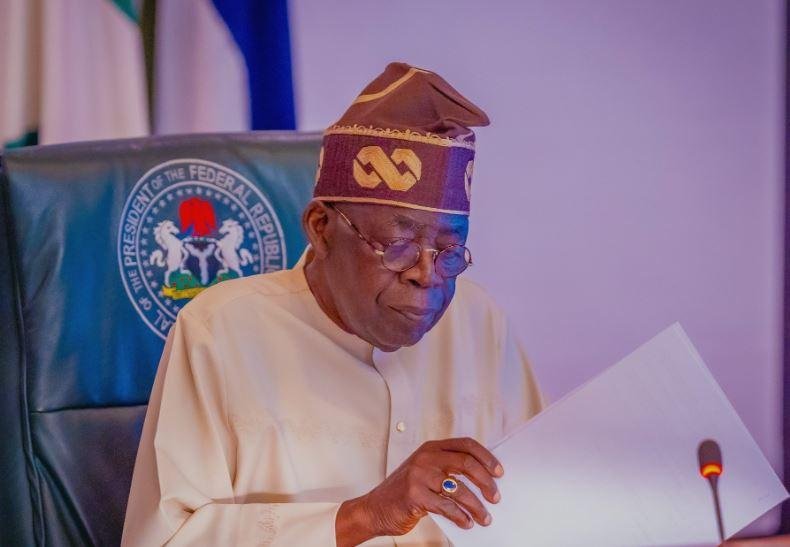
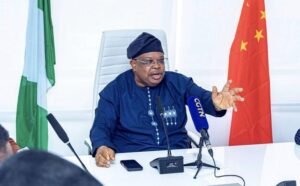
President Bola Tinubu announced the commencement of the programme on Tuesday, November 10, 2026, ending a prolonged delay in implementing a provision first introduced under the Pension Reform Act of 2004.
The announcement was made during the Presidential Pension Security Initiatives ceremony at the State House Banquet Hall in Abuja.
The President, represented by Senate President Godswill Akpabio, also launched a healthcare programme designed to provide essential medical support to low-income pensioners.
Understanding the New Minimum Pension
The new pension guarantee establishes a monthly minimum of ₦52,500 for eligible beneficiaries of the Contributory Pension Scheme.
The Director-General of the National Pension Commission, Omolola Oloworaran, confirmed that 173,209 retirees currently qualify for the arrangement.
According to the commission, the beneficiaries are distributed across public and private-sector employment.
Approximately 34% are former federal employees, 12% are state retirees and 54% retired from private-sector organisations.
The amount was determined through actuarial assessment and is expected to undergo periodic review.
However, the announcement does not mean that every Nigerian retiree automatically qualifies for ₦52,500. Eligibility is tied to the applicable pension scheme and programme requirements.
₦400 Billion Pension Protection Fund to Support Payments
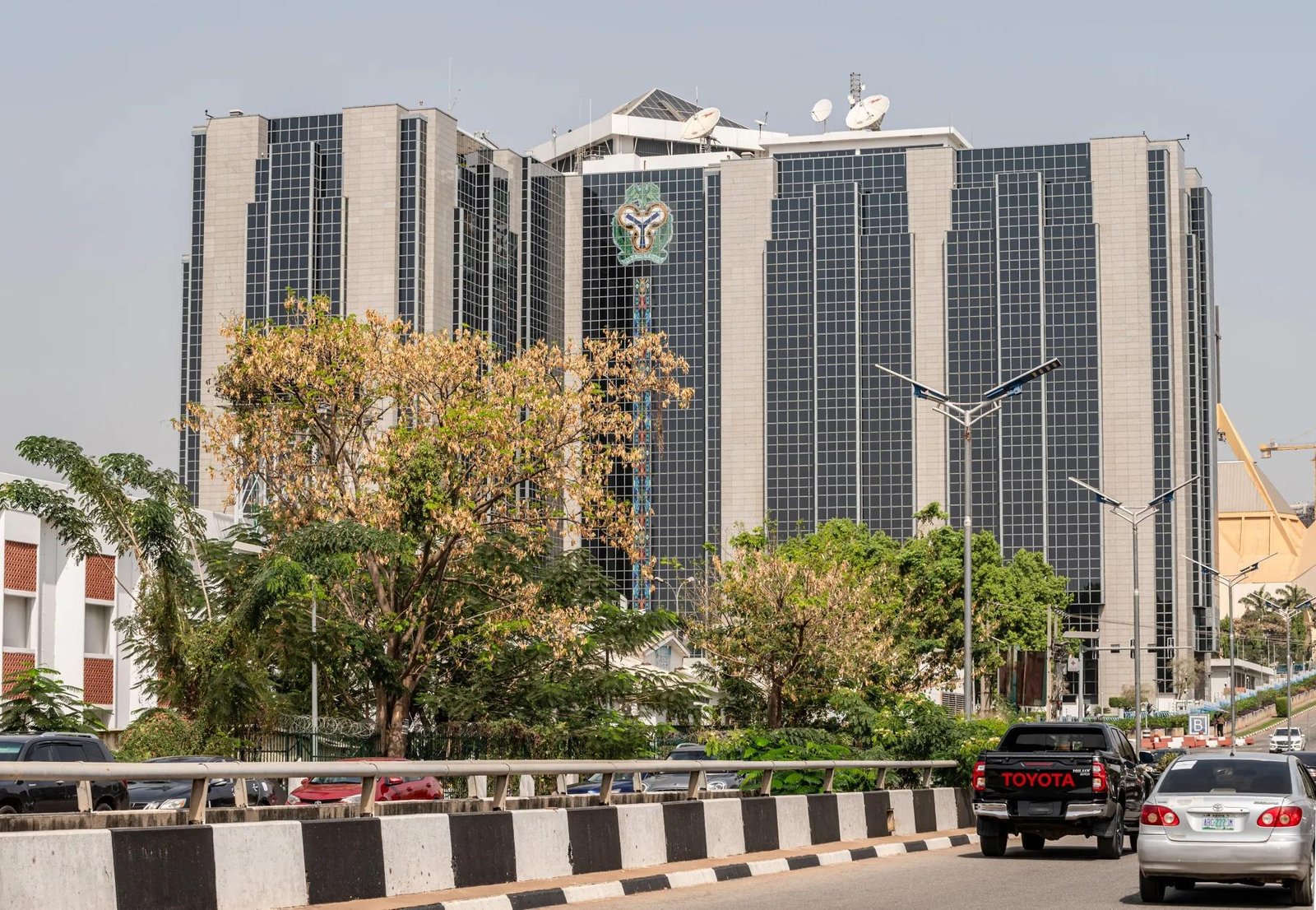
The National Pension Commission disclosed that more than ₦400 billion is available in the Pension Protection Fund to finance the minimum pension guarantee.
The funding arrangement is intended to support the programme’s implementation and strengthen long-term retirement income protection.
The government also highlighted measures introduced to address outstanding pension obligations.
These include the issuance of a ₦758 billion bond to help settle pension arrears and approval of a ₦32,000 monthly adjustment for affected federal pensioners.
The developments form part of a broader effort to address longstanding challenges in Nigeria’s pension system.
Free Healthcare Initiative for Low-Income Pensioners
Alongside the minimum pension guarantee, the Federal Government introduced the Pension Industry Healthcare Plan for Retirees, known as PenCare.
The programme is designed to provide eligible low-income retirees with access to essential healthcare services without direct charges for covered services.
According to the government, beneficiaries will begin receiving healthcare access cards in the coming months.
The initiative could reduce the financial pressure caused by healthcare expenses, which often represent a substantial burden for older citizens.
Nevertheless, the programme’s eventual impact will depend on eligibility rules, healthcare provider coverage and effective implementation.
What This Means for Nigeria’s Economy
A stronger pension system can contribute to economic stability by providing predictable income for retired workers.
Regular pension payments may help beneficiaries meet essential expenses, including food, housing, transportation and healthcare.
Improved retirement protection could also strengthen confidence in formal employment and long-term pension savings.
For employers, the development reinforces the importance of pension compliance and accurate employee retirement records.
The Bigger Picture
The ₦52,500 minimum pension guarantee represents an important policy development in Nigeria’s retirement system.
Its implementation comes more than two decades after the original legislative provision was introduced.
While the programme may improve income security for qualifying pensioners, inflation and rising living costs remain important challenges.
The long-term success of the initiative will depend on sustainable funding, efficient administration and periodic adjustments that preserve the purchasing power of retirees.








Post Comment