Lagos ranks fourth for luxury two-bedroom rents
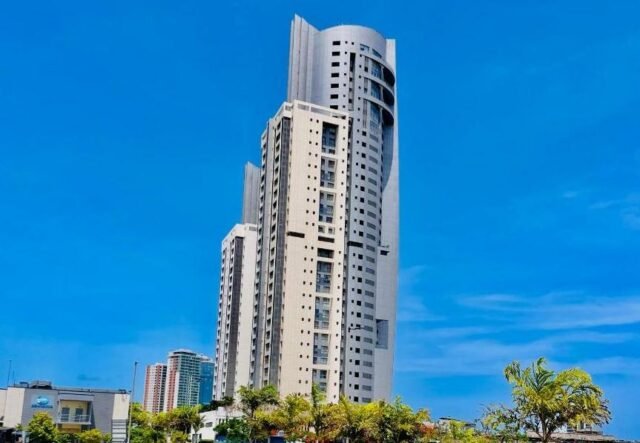
Lagos has ranked fourth among 10 cities with the highest rental costs for high-end two-bedroom apartments, with average annual rent estimated at $19,379 in 2026.
A recent report by Nairametrics attributed the high cost of property in Lagos to limited land availability, strong demand in prime locations, rising construction costs, speculative activity and currency depreciation.
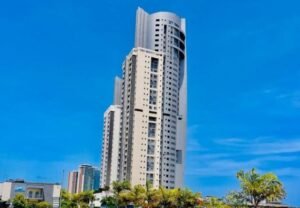
According to the report, luxury properties in Ikoyi, Victoria Island and Banana Island are typically priced in dollars, while some ultra-luxury developments along the Bourdillon, Alexandra and Gerrard corridors in Ikoyi command annual rents of up to $130,000.
Beyond headline rental prices, tenants also face significant additional costs when securing accommodation.
The report noted that Nigeria is among markets where tenants commonly pay one or multiple years of rent in advance. Agency fees typically amount to between one and two months’ rent or about 10 per cent of annual rent, while legal and agreement fees can range from five to 10 per cent.
Other expenses include caution deposits, stamp duties, utility deposits, internet installation and service charges, pushing the actual cost of securing a property significantly above the advertised rent.
Rising development costs are also putting pressure on Lagos’ housing market, with land prices more than doubling in several parts of the city in recent years.
Construction costs have also increased sharply. Cement prices have risen to about N12,500–N15,000 per bag, compared with N5,000–N6,000 at the end of 2023, while reinforcement steel now costs between N1m and N1.5m per tonne.
For medium-sized residential developments, materials and labour can account for between 50 and 65 per cent of the construction budget, while land can represent around 20 per cent of expected project revenue.
The rising costs are forcing developers to adjust their strategies by reducing unit sizes, moving projects to areas with cheaper land, adopting alternative building materials and developing projects in phases.
However, industry experts say a significant portion of the increased development costs is ultimately passed on to buyers and tenants, contributing to higher property prices and rents across the city.
The pressure is compounded by Lagos’ widening housing deficit, which stood at an estimated 3.4 million units in 2025.
The state requires approximately 227,576 new homes annually to keep pace with population growth and replace ageing housing stock, underscoring the scale of the supply challenge facing Africa’s largest urban economy.







Post Comment