High Energy Costs, Inefficient Ports Threaten Nigeria’s Export Competitiveness, NEXIM Warns
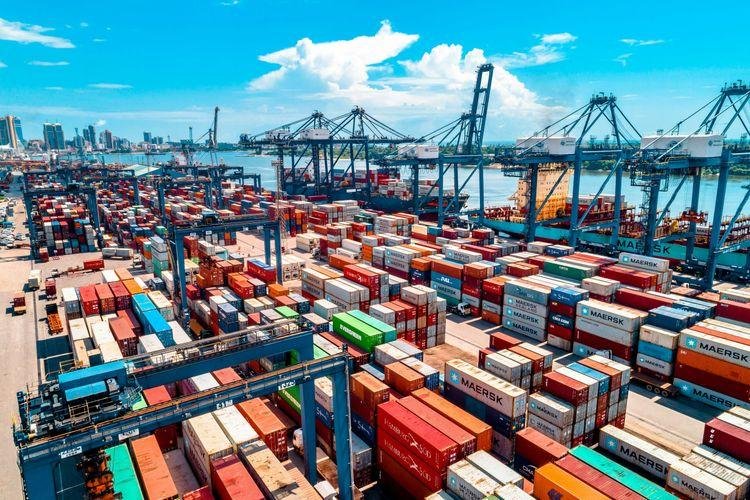
The Nigerian Export-Import Bank (NEXIM) has warned that high energy costs, inefficient ports, inadequate infrastructure and limited access to financing are undermining the competitiveness of Nigerian products in international markets.
The bank’s Managing Director and Chief Executive Officer, Abubakar Bello, raised the concerns at a stakeholder forum in Abuja focused on leveraging the African Continental Free Trade Area to improve Nigeria’s export competitiveness and economic diversification.
Bello said Nigeria risked losing out on the opportunities presented by the AfCFTA if the country failed to address structural challenges affecting domestic production, logistics and the movement of goods.
The warning comes as Nigeria seeks to expand non-oil exports, improve foreign exchange earnings and strengthen the role of local businesses in regional and international trade.
High Operating Costs Weaken Export Competitiveness
Nigerian exporters continue to contend with several operational challenges, including high electricity costs, transportation expenses, inadequate infrastructure, regulatory bottlenecks and limited access to affordable financing.
These constraints can increase the cost of producing and transporting goods, making Nigerian products less competitive in international markets.
For businesses involved in agriculture, manufacturing and processing, the cost of electricity, logistics and financing can significantly influence their ability to meet international pricing requirements.
Bello said these challenges needed to be addressed decisively to enable Nigerian businesses to compete effectively with producers from other African countries.
He warned that trade agreements alone would not guarantee success without improvements in domestic production and the infrastructure required to move goods efficiently.
AfCFTA Opens Opportunities but Increases Competition
The African Continental Free Trade Area provides Nigerian businesses access to a continental market of approximately 1.4 billion people.
However, the agreement also exposes domestic producers to competition from businesses operating in other African economies.
According to Bello, intra-African trade grew by 5.5 per cent to $213.8bn in 2025, while Nigeria’s total trade with Africa increased by 21 per cent to $9.02bn.
The figures highlight the growing importance of regional trade, although crude oil continues to account for a significant proportion of Nigeria’s exports to the continent.
The bank’s chief executive said Nigeria needed to move beyond raw commodity exports by investing in processing, value addition and the production of goods that meet international standards.
Value Addition Could Expand Non-Oil Exports
Bello identified opportunities for increased processing and export development in cocoa, sesame, cashew, cotton, ginger, shea and cassava.
He also highlighted potential opportunities in pharmaceuticals, building materials, financial technology, manufacturing and entertainment.
Expanding the processing of agricultural commodities could help businesses increase the value of products before export, create employment and strengthen domestic supply chains.
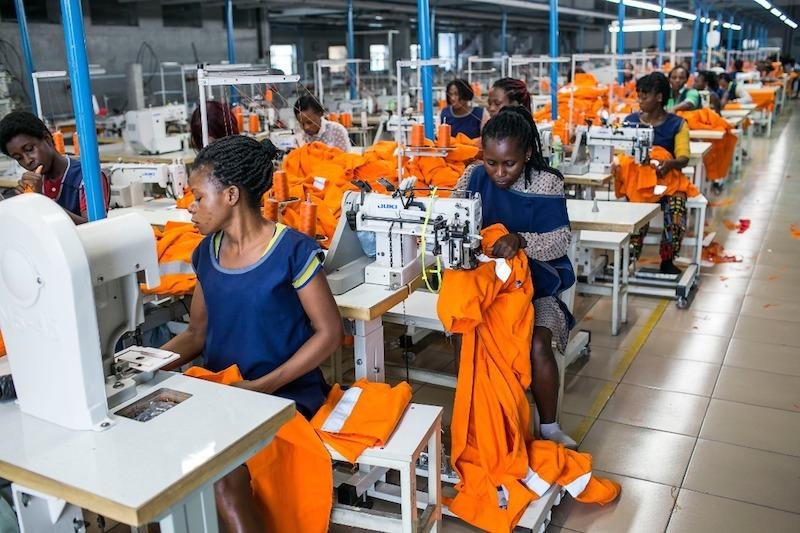
Rather than exporting raw materials, businesses could invest in processing facilities, packaging, quality control and product development to improve their competitiveness.
NEXIM Expands Support for Export Businesses
Bello disclosed that NEXIM had financed more than 1,300 exporters since its establishment in 1991, supporting the creation and sustenance of approximately 110,000 industrial jobs.
The bank has also collaborated with the Small and Medium Enterprises Development Agency of Nigeria to mobilise ₦42bn for small businesses operating within the export value chain.
The financing initiatives are intended to improve access to capital for businesses involved in export production, processing and trade.
NEXIM has also highlighted its Sealink project, which is designed to support inland waterways and coastal shipping networks for bulk cargo movement across West and Central Africa.
The bank is exploring additional partnerships and financing arrangements to support exporters, including facilities for women and young entrepreneurs and a proposed non-interest financing window.
Export Growth Requires Stronger Infrastructure
Nigeria’s export competitiveness will depend on improvements in production capacity, transportation, energy infrastructure, financing and market access.
Businesses also need reliable certification systems, efficient customs procedures and predictable regulatory frameworks to fulfil export orders and maintain international relationships.
The growing importance of AfCFTA presents an opportunity for Nigerian businesses to expand into regional markets, but the country’s ability to capture those opportunities will depend on reducing production costs and strengthening the domestic business environment.
NEXIM’s warning underscores the need for coordinated investment in infrastructure, export financing and industrial development to improve Nigeria’s position in African and global trade.











Post Comment