Nigeria’s Manufactured Exports to Africa Remain Below 1.5% as Industry Struggles
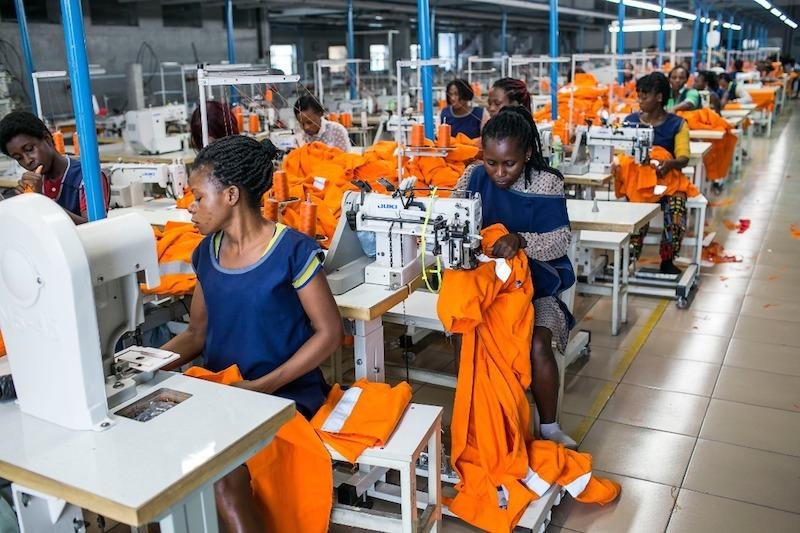
Nigeria’s manufactured goods account for less than 1.5 per cent of its exports to other African countries, highlighting the country’s limited industrial contribution to regional trade despite growing opportunities under the African Continental Free Trade Area.
The Minister of State for Industry, Trade and Investment, John Enoh, disclosed the figures at the Nigerian Export-Import Bank stakeholders’ business forum in Abuja, where he called for greater investment in manufacturing and industrial capacity.
According to the minister, Nigeria exported goods worth ₦6.65tn to African countries in the second quarter of 2026, but manufactured products accounted for only ₦390bn.
He said Nigeria continued to export significantly more raw materials than manufactured goods, reflecting structural challenges that limit the country’s ability to capture greater value from its trade with the continent.
Nigeria Continues to Export More Raw Materials
Nigeria’s export structure remains heavily dependent on commodities and products with limited processing, despite the country’s substantial agricultural, mineral and industrial resources.
Enoh said the country exported nearly six times as much in raw materials as manufactured products, highlighting the need to strengthen domestic processing and production capacity.
The challenge extends beyond export volumes to the ability of Nigerian businesses to produce goods that meet international quality standards, competitive pricing and consistent supply requirements.
While the country has recorded growth in trade with African economies, a larger proportion of its exports continues to consist of commodities rather than finished industrial products.
Manufacturing Capacity Remains a Major Concern
The minister cited manufacturing capacity utilisation figures from the Manufacturers Association of Nigeria, which indicated that Nigeria’s capacity utilisation stood at 9.5 per cent, compared with 81 per cent in Morocco and 76 per cent in South Africa.
He said a significant portion of Nigeria’s industrial capacity remained underutilised, with businesses facing constraints related to electricity, financing, demand and other operational challenges.
Low capacity utilisation can affect production costs, profitability and competitiveness, particularly when businesses are unable to spread fixed costs across larger production volumes.
Manufacturers may also struggle to expand operations when they face high energy expenses, limited financing and uncertainty about market demand.
AfCFTA Presents Opportunities for Nigerian Manufacturers
The African Continental Free Trade Area provides access to a continental market of approximately 1.4 billion people and a combined GDP estimated at $3.4tn.
The agreement is expected to create opportunities for businesses to expand beyond domestic markets, increase exports and participate in regional supply chains.
Enoh said manufactured and semi-processed products accounted for more than 60 per cent of goods traded within Africa, compared with a significantly smaller proportion of the continent’s exports to the rest of the world.
This presents an opportunity for Nigeria to increase industrial production and supply more finished and semi-processed goods to African markets.
However, access to a larger market alone will not guarantee success without the production capacity, infrastructure and financing needed to meet demand.
Nigeria’s Export Structure Needs Diversification
The minister also disclosed that Nigeria recorded ₦27tn in exports in the second quarter of 2026, with crude oil accounting for less than half of total exports.
The country exported ₦6.65tn worth of goods to African markets during the period, while imports from the continent stood at ₦1.10tn.
However, five products accounted for approximately 91 per cent of Nigeria’s exports to Africa, highlighting the concentration of the country’s export portfolio.
Diversifying exports could reduce dependence on a narrow range of commodities while improving the contribution of manufacturing, agro-processing and other productive sectors to foreign exchange earnings.
Investment in Production Could Unlock Regional Trade
Nigeria’s ability to benefit from AfCFTA will depend on its capacity to produce competitive goods and establish reliable supply chains.
Investment in electricity, transportation, industrial infrastructure, financing, product certification and technology could help businesses improve production efficiency and access regional markets.
The government has also been pursuing industrial policies focused on metals and solid minerals, oil and gas, construction and manufacturing.
For Nigeria to capture a greater share of Africa’s growing trade opportunities, the focus will need to shift towards strengthening factories, improving product quality and expanding the production of value-added goods.
The country’s large market and industrial potential provide opportunities for growth, but converting those opportunities into export earnings will require sustained investment in productive capacity.







Post Comment