Nigeria’s Shifting Rice Policies Leave Farmers Flying Blind as Policy Uncertainty Threatens Investment
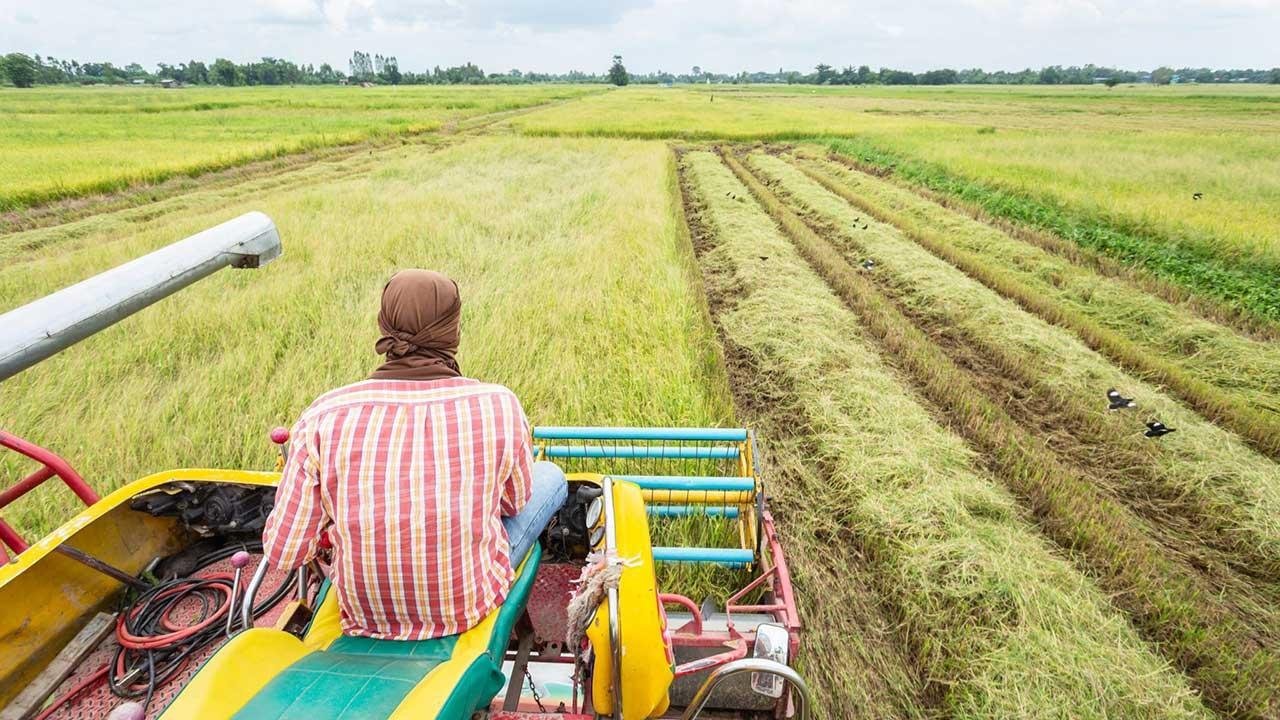
Nigeria’s changing rice import and agricultural trade policies are creating uncertainty for farmers, processors and other stakeholders in the domestic rice value chain, raising concerns about long-term investment planning and local production growth.
The uncertainty surrounding policy direction has made it increasingly difficult for agricultural businesses to predict market conditions, plan production cycles and make investment decisions.
Rice remains one of Nigeria’s most important food commodities, with domestic production, processing, imports and distribution playing significant roles in the country’s food market and agricultural economy.
However, the ability of local producers to compete effectively depends on consistent policies, reliable infrastructure, access to financing and predictable market conditions.
Policy Changes Complicate Investment Planning
Frequent adjustments to import-related policies can influence the decisions of farmers, millers, traders and agricultural investors.
When businesses are unable to predict whether market conditions will change through import restrictions, waivers, tariffs or other trade measures, long-term investment decisions become more difficult.
Agricultural production requires planning across multiple seasons. Farmers need to make decisions about land preparation, seeds, fertiliser, labour, equipment and financing before harvesting and selling their produce.
Processors also need reliable access to raw materials, predictable operating costs and sufficient demand to justify investment in milling facilities, storage infrastructure and distribution networks.
Uncertainty in trade policy can therefore affect not only production but also the broader agricultural value chain.
Local Rice Production Needs a Stable Market
Nigeria has continued to pursue domestic agricultural production as part of efforts to strengthen food security, reduce import dependence and support rural economic development.
Rice production provides opportunities for farmers, agricultural cooperatives, millers, transport operators, retailers and other businesses operating within the food supply chain.
However, local producers need an environment that allows them to compete on cost, quality and market access.
Production costs, including fertiliser, transportation, energy, irrigation, labour and financing, remain important considerations for farmers and processors.
When imported rice enters the market under changing policy conditions, domestic producers may face additional uncertainty regarding pricing, demand and profitability.
Investment in Processing and Storage Remains Critical
Beyond farming, Nigeria’s rice value chain requires investments in modern processing facilities, storage infrastructure, logistics and distribution.
Improved milling technology can help local processors produce rice that meets consumer expectations regarding quality, packaging and consistency.
Storage infrastructure can also reduce post-harvest losses and help farmers avoid selling produce under unfavourable market conditions.
Investment in irrigation and mechanisation could improve productivity and reduce the vulnerability of production to weather-related disruptions.
These investments are more likely to expand when businesses can operate within a stable policy environment and have confidence in future market conditions.
Consistency Could Strengthen Agricultural Competitiveness
A predictable agricultural trade policy could help farmers and processors make better long-term decisions while improving confidence among investors and financial institutions.
Government policies aimed at supporting local production would also need to address structural challenges, including financing, infrastructure, input costs, research, extension services and access to markets.
The objective should be to build a competitive domestic rice industry capable of meeting consumer demand while supporting sustainable investment and employment.
Nigeria’s rice sector has significant economic potential, but unlocking that potential will require policies that are consistent, transparent and aligned with the realities of agricultural production and private-sector investment.
A stronger domestic rice industry could contribute to food security, rural development, employment generation and a more resilient agricultural economy.








Post Comment