CBN Faces Tough Interest Rate Decision as Analysts Predict 23% Hold Amid Naira Pressure
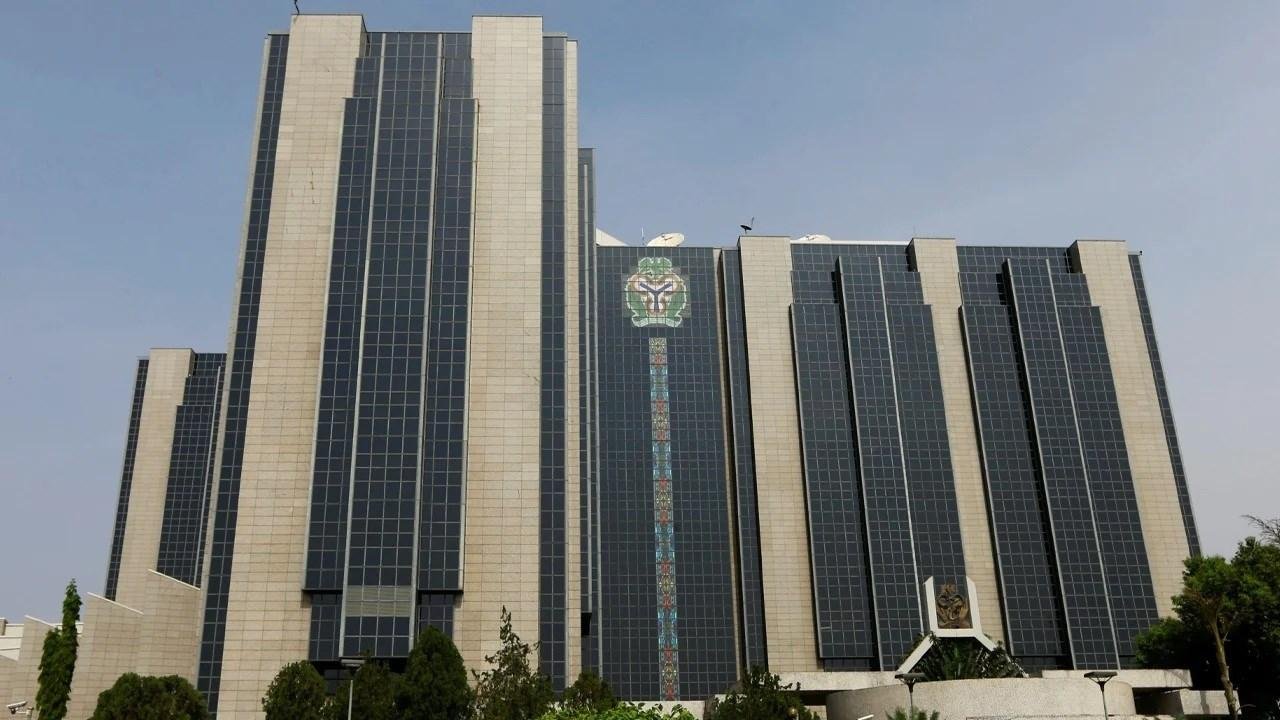
Nigeria’s Central Bank could maintain its benchmark interest rate at 23% as renewed pressure on the naira and declining foreign exchange reserves complicate efforts to make borrowing more affordable for businesses.
Financial market analysts expect the Monetary Policy Committee to exercise caution despite recent improvements in inflation.
According to Punch Newspapers, the projections were contained in separate market reports released ahead of the CBN’s 308th Monetary Policy Committee meeting scheduled for November 23 and 24, 2026.
The meeting comes at a critical time for businesses seeking more affordable credit and investors monitoring Nigeria’s financial markets.
Analysts Expect Interest Rates to Remain Unchanged
Investment research firm Cordros Securities has projected that the Central Bank will maintain its Monetary Policy Rate at 23%.
The Financial Markets Dealers Association also expects the committee to proceed cautiously.
According to its assessment, there is a 60% probability of the benchmark rate remaining unchanged.
The association assigned a 40% probability to a reduction of no more than 50 basis points.
These figures represent market forecasts rather than a confirmed decision by the Central Bank.
The official outcome of the November meeting had not been established in the reporting reviewed for this article.
Why the Naira Is Influencing Interest Rate Decisions
Nigeria’s currency has come under renewed pressure in recent weeks.
The naira weakened from approximately ₦1,329.16 per dollar at the end of September to ₦1,389.73 per dollar on November 20, according to figures cited by Cordros Securities.
Meanwhile, the difference between official and parallel market rates widened to approximately ₦107 per dollar.
The development has raised concerns about foreign exchange stability and investor confidence.
When interest rates decline, returns on certain naira-denominated investments may become less attractive.
This can influence capital flows and demand for foreign currency.
Analysts believe that cutting interest rates too quickly could create additional exchange-rate pressure.
Foreign Reserves Decline by $610 Million
Nigeria’s external reserves have also recorded a reduction.
According to Cordros Securities, foreign reserves declined from approximately $55.26 billion on October 27 to $54.65 billion on November 19.
This represents a reduction of about $610 million.
Although the country’s reserve balance remains substantial, the decline has become an important factor in monetary policy discussions.
The report also highlighted changing foreign exchange inflows and uncertainty surrounding international financial market conditions.
Inflation Falls to 14.06%
Despite concerns about the naira, Nigeria’s inflation rate has continued to moderate.
Headline inflation declined from 14.63% in September to 14.06% in October 2026.
This represents the fifth consecutive month of easing inflation.
The improvement would ordinarily provide greater room for reducing restrictive interest rates.
However, monetary policymakers must consider whether lower rates could undermine currency stability or trigger renewed inflationary pressures.
Cordros Securities expects inflation to moderate further to between 13.30% and 13.90% by December.
Nevertheless, this remains a forecast rather than a guaranteed outcome.
What This Means for Nigerian Businesses
High interest rates continue to affect companies that depend on bank financing.
Manufacturers often require capital to purchase machinery, import materials and maintain production.
Small businesses may also need credit to expand operations or increase inventory.
When borrowing costs remain high, some businesses may postpone expansion plans or seek alternative financing.
A reduction in the Monetary Policy Rate could eventually support lower borrowing costs.
However, commercial lending rates also depend on factors such as credit risk, banking regulations, collateral requirements and financial market conditions.
What Investors Should Consider
For investors, monetary policy decisions can influence returns across different asset classes.
Higher interest rates may support yields on newly issued fixed-income instruments.
Lower rates can change the relative attractiveness of savings products, bonds and equities.
However, investment returns will also depend on inflation, market conditions and individual security risks.
Investors should therefore avoid assuming that a single monetary policy decision will determine the direction of every financial asset.
The Bigger Picture
Nigeria’s Central Bank faces the difficult task of supporting economic growth while maintaining monetary and currency stability.
Although lower inflation creates an opportunity for more accommodative policy, renewed exchange-rate pressure could limit that flexibility.
For Nigerian businesses, the ultimate goal is a financial environment that offers more affordable credit without undermining price stability or investor confidence.
The committee’s official November decision will provide further insight into the Central Bank’s monetary policy priorities.











Post Comment