CBN Intensifies Liquidity Control with ₦1.5 Trillion OMO Offer as Banking System Cash Balances Rise
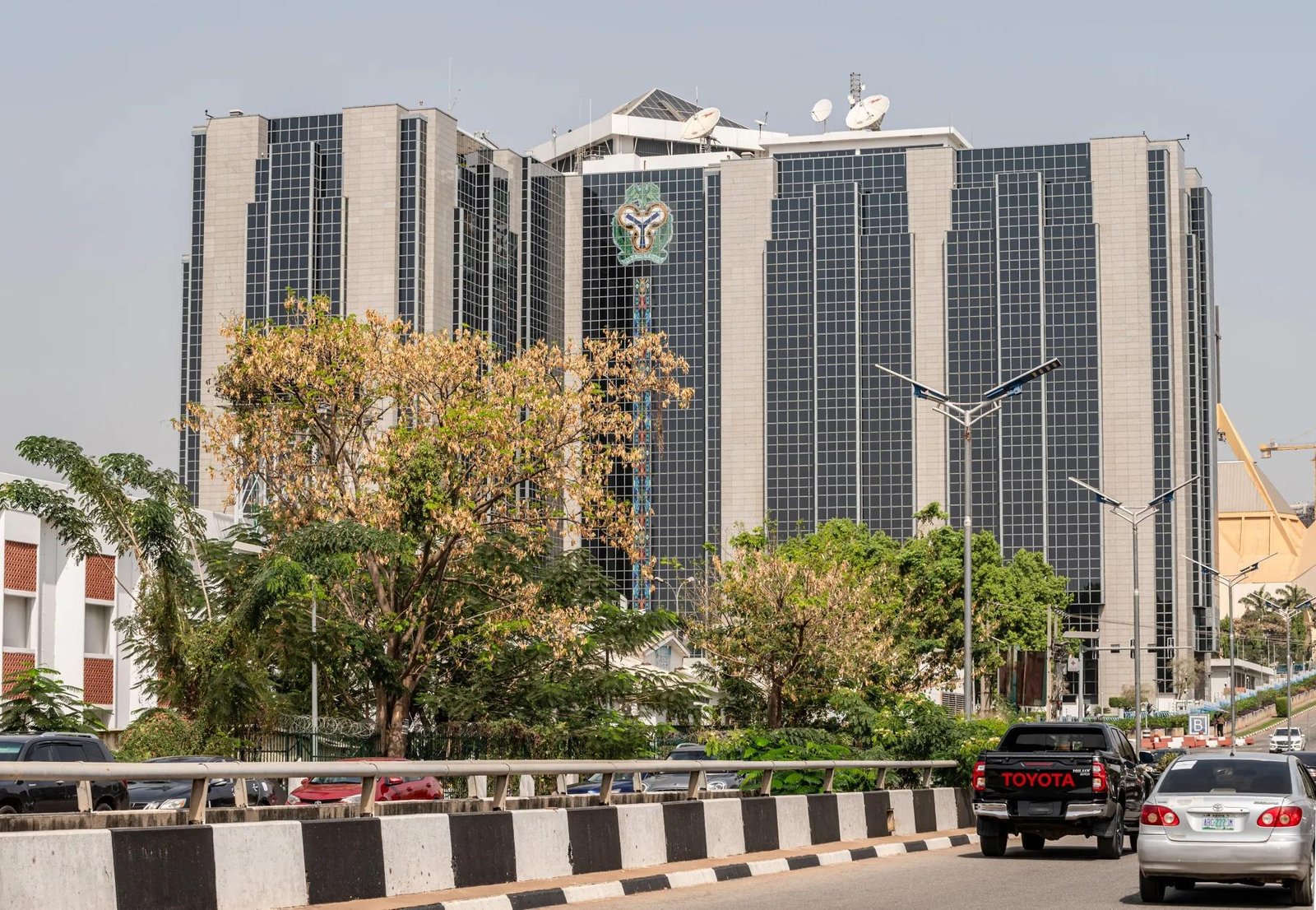
The Central Bank of Nigeria has stepped up efforts to manage excess liquidity in the banking system, offering ₦1.5 trillion in Open Market Operations securities as financial institutions continue to receive substantial cash inflows from maturing investments.
The development reflects the apex bank’s continued focus on monetary stability and the management of liquidity within Nigeria’s financial system.
According to Punch Newspapers, the latest OMO offer was conducted on Tuesday, November 10, 2026, following a significant increase in banking system liquidity.
Banking System Liquidity Reaches ₦8.5 Trillion
Market data showed that banking system liquidity increased to approximately ₦8.505 trillion as of November 6.
This represented a 15.36% increase from the ₦7.373 trillion recorded one week earlier.
The rise indicates that banks collectively held significantly more liquid funds during the review period.
To manage the situation, the CBN offered ₦500 billion each in OMO instruments with maturities of 154 days, 252 days and 329 days.
This brought the total offer for the latest auction to ₦1.5 trillion.
It is important to distinguish the amount offered from the amount ultimately allotted to investors. The offer alone does not establish how much liquidity was actually withdrawn.
Understanding Open Market Operations
Open Market Operations are monetary policy tools used by central banks to influence the amount of money available within the financial system.
When the CBN sells OMO securities, participating financial institutions and eligible investors purchase the instruments, temporarily transferring funds to the central bank.
This process can help reduce excess liquidity.
When the instruments mature, the funds are returned to investors, potentially increasing liquidity again.
The central bank uses these operations as part of its broader efforts to manage monetary conditions and contain inflationary pressures.
Previous Auctions Attracted Significant Investor Demand
The latest offering follows two major OMO auctions conducted on November 3 and November 6.
During the November 3 auction, investors submitted bids worth approximately ₦3.52 trillion against an initial ₦1.5 trillion offer.
The CBN eventually allotted ₦2.95 trillion.
At the November 6 auction, bids reached ₦5.74 trillion, while approximately ₦2.72 trillion was allotted.
Together, the two auctions resulted in total allotments of approximately ₦5.667 trillion.
The strong demand indicates that eligible market participants remained interested in the fixed-income instruments offered by the central bank.
Fresh Cash Inflows Could Complicate Liquidity Management
Despite the ongoing efforts to withdraw liquidity, substantial funds are expected to return to the banking system as existing securities mature.
According to the Financial Market Dealers Association, approximately ₦2.448 trillion in financial market inflows was projected for the week.
Of that amount, approximately ₦2.298 trillion was associated with maturing OMO securities.
Treasury bill maturities were expected to contribute another ₦148.565 billion, while corporate bond coupon payments accounted for a smaller portion.
These inflows demonstrate why maintaining suitable liquidity levels requires continuous monetary market operations.
What This Means for Nigerian Businesses
Monetary policy decisions influence the environment in which commercial banks operate.
When the central bank absorbs substantial liquidity, banks may have fewer immediately available funds to deploy into other activities.
However, the effect on business lending also depends on deposit growth, capital requirements, credit risks and prevailing interest rates.
For companies seeking financing, a tighter monetary environment may affect the cost and availability of credit.
Investors in fixed-income instruments, meanwhile, may find opportunities in government-related securities and other money market products.
The actual attractiveness of these investments depends on interest rates, inflation expectations, eligibility and investment risks.
The Bigger Picture
The CBN’s latest OMO offer reflects its continued effort to manage financial system liquidity.
While excess cash in the banking system can create monetary challenges, overly restrictive conditions may also affect lending and investment.
The central bank must therefore balance financial stability with the wider economy’s need for productive financing.
For Nigerian businesses and investors, future monetary policy decisions, liquidity trends and interest-rate developments will remain important indicators to monitor.













Post Comment