FG targets doubling livestock sector’s $32bn contribution
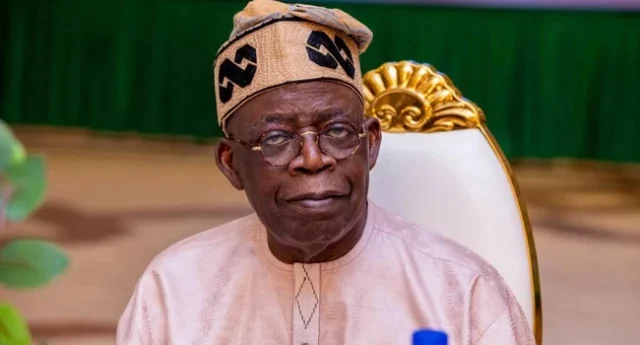
President Bola Tinubu has said Nigeria is targeting more than doubling the livestock sector’s estimated $32bn annual contribution to the national economy as part of efforts to make the country a leading hub for livestock production and processing in Africa.
Tinubu stated this on Monday in Abuja at the opening ceremony of the 9th All Africa Conference on Animal Agriculture, themed, “Repositioning Animal Agriculture for Africa’s Agricultural Food Security and Global Competitiveness.”
The President, who was represented at the event by the Secretary to the Government of the Federation, George Akume, said the Federal Government was committed to transforming livestock production from a largely subsistence and cultural activity into a modern, technology-driven and commercially competitive industry.
He said, “Our national strategy aims to more than double the sector’s economic contributions to position Nigeria as a leading hub for livestock production and processing in Africa.”
According to him, Nigeria has one of the largest livestock populations in Africa, comprising over 58 million cattle, 64 million sheep, 124 million goats and 660 million poultry species.
He said, “Our livestock sector is estimated to contribute over 32 billion US dollars annually to the national economy and remains a major pillar of agricultural production, food security, and rural development.”
Tinubu said his administration had placed agriculture and food security at the centre of its Renewed Hope Agenda, leading to the establishment of the Federal Ministry of Livestock Development in July 2024.
He described the creation of the ministry as a “historic decision,” saying it demonstrated the administration’s commitment to transforming the livestock industry.
“This landmark policy initiative demonstrates our commitment to transforming livestock production from a largely subsistence and cultural activity into a modern, technology-driven, commercially competitive, and globally integrated venture,” he said.
The President said his administration had also approved institutional reforms based on the recommendations of the Presidential Committee on Livestock Reforms.
He said the reforms were aimed at strengthening governance, improving productivity, promoting peaceful and sustainable livestock production systems and creating an enabling environment for private sector investment across the livestock value chain.
Tinubu said the National Livestock Growth Acceleration Strategy was being implemented to unlock the sector’s potential.
He said the strategy would focus on increasing livestock productivity, strengthening value chains, improving animal health services, expanding commercial feed production, enhancing livestock genetics and promoting climate-smart production systems.
He added that the strategy would also promote peacebuilding and position Nigeria as a regional hub for livestock investment and exports.
The President said the Federal Government was promoting ranching and modern livestock production systems to increase productivity while reducing conflicts associated with traditional production systems.
He said the government was also strengthening animal breeding, genetics, veterinary services, feed production, disease surveillance and animal health systems while attracting investments into dairy, meat processing, leather, feed milling and livestock infrastructure.
On employment, Tinubu said the livestock industry offered significant opportunities for Nigeria’s growing youth population through its various value chains.
He said, “Beyond contributing to economic growth, the livestock sector is one of the largest sources of employment opportunities through its divergent value chain – from animal production to feed manufacturing, veterinary services, transportation, processing, marketing, leather production, dairy enterprises, and export activities.”
“Millions of jobs can be created for our growing youth population in Africa. The Nigerian government is committed to fully optimising the value chain,” he added.
The President said the government was also taking steps to reduce Nigeria’s dependence on imported dairy products by doubling local milk production.








Post Comment