Transmission faults cut power allocations to Lagos, Abuja, others
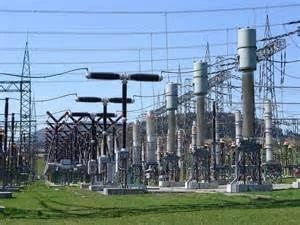
Transmission Outages Cut Power Allocations to Lagos, Abuja, Northern DisCos — NISO
The Nigerian Independent System Operator (NISO) has attributed recent reductions in electricity allocations to Distribution Companies (DisCos) serving Lagos, Abuja and parts of northern Nigeria to multiple transmission-line outages that constrained the capacity of the national grid.
According to the system operator, the outages forced adjustments to generation dispatch and power allocations as it worked to keep the remaining transmission network within safe operating limits and prevent a wider system disturbance.
In a statement signed by its management on Sunday and titled “Clarification on Recent Changes in Power Allocations Following Transmission Line Outages,” NISO said the changes were driven by transmission constraints rather than a shortage of electricity generation.
The clarification comes amid concerns over changes in power allocations to DisCos across some parts of the country.
Generation Alone Cannot Guarantee Supply
NISO explained that having sufficient electricity generation does not necessarily mean that the available power can be delivered to a particular location.
The system operator said electricity delivery also depends on the capacity and availability of transmission infrastructure, as well as the prevailing configuration of the network.
“The changes in allocations occurred due to multiple transmission line outages that affected available transmission capacity and configuration of the network at different times,” NISO said.
It added that adjustments were made as part of normal system operations to ensure that the interconnected network remained within secure operating limits.
“The availability of generation does not, by itself, guarantee that the available power can be delivered to a particular load centre. Power transfer is dependent on the availability and capacity of transmission infrastructure and the prevailing configuration of the network.”
NISO, which is responsible for the real-time monitoring, coordination, control and dispatch of Nigeria’s interconnected electricity system, said it continuously assessed the transmission network before determining the amount of electricity that could safely be delivered to different areas.
Lagos Hit by Multiple Transmission Outages
The Lagos axis was particularly affected by successive outages involving the Olorunsogo-Ayede 330kV Line 1, Benin-Egbin 330kV Line 1 and Benin-Omotosho 330kV Line 1.
The Osogbo-Ikeja West circuit also remained out of service for an extended period.
NISO said the cumulative loss of these critical transmission circuits reduced the amount of electricity that could safely be transferred into the Lagos area.
As a result, the operator reviewed and curtailed allocations to Eko Electricity Distribution Company, Ikeja Electric and the Sakete international supply, based on the prevailing network configuration and system-security requirements.
Northern Corridor Faces Further Constraints
Transmission failures also affected the northern corridor, with consequences for electricity supply to Abuja and other northern areas.
NISO said the Shiroro-Mararaba 330kV Line 1 tripped between August 24 and 26. The outage affected electricity allocations to Abuja and northern Nigeria because the remaining circuit had to carry the load.
The situation became more critical at 6:47 a.m. on August 27, when the Shiroro-Mando 330kV Line 2 and Mando-Jos 330kV Line 1 tripped simultaneously.
According to NISO, the Mando-Jos circuit was subsequently the only available transmission line serving Jos and the North-East, while the alternative Apir-Lafia 330kV Lines 1 and 2 had remained out of service for an extended period due to faults.
The simultaneous outages significantly reduced transmission supply to Jos and the North-East and altered the network configuration following the separation of the bus at the Mando Transmission Substation.
NISO consequently revised and curtailed allocations to Kano, Kaduna, Jos, Yola and other affected areas to keep the remaining network within secure operating limits.
Abuja Also Affected
The Abuja axis experienced a similar transmission constraint on August 29, when the Shiroro-Katampe 330kV Line 1 and Gwagwalada-Katampe 330kV Line 1 tripped simultaneously at 3:55 a.m.
The operator said, however, that both circuits were restored shortly afterwards. The Shiroro-Katampe line was restored at 7:25 a.m., while the Gwagwalada-Katampe line returned to service at 7:20 a.m., allowing the affected transmission capacity to be recovered.
Transmission Capacity Remains a Critical Constraint
NISO said the incidents highlighted the vulnerability and interconnected nature of Nigeria’s electricity network, where a fault on a single critical transmission circuit can affect electricity supply far beyond the location of the fault.
“Generation availability does not automatically translate into deliverable power to Distribution Companies. Adequate transmission capacity and a secure network configuration are equally essential.”
The operator added that when transmission constraints prevent the safe transfer of available generation, it may have to temporarily redispatch generation, curtail load or revise DisCo allocations.
NISO therefore maintained that the recent changes in electricity allocations were caused by transmission-line outages, constrained transmission capacity and prevailing system configuration, rather than inadequate generation availability.
What the Outages Mean for Nigeria’s Power Sector
The development highlights a persistent challenge in Nigeria’s electricity market: gains in generation capacity can be undermined when the transmission network lacks sufficient capacity or resilience to move available electricity to where it is needed.
For consumers and businesses, transmission constraints can translate into changes in electricity availability even when adequate generation exists elsewhere on the grid.
NISO said its clarification was intended to place the facts on record and help the public understand why electricity allocations to some DisCos changed during the period.










Post Comment