Oil Prices Fall Below $100 After Trump Reports Progress in US-Iran Talks
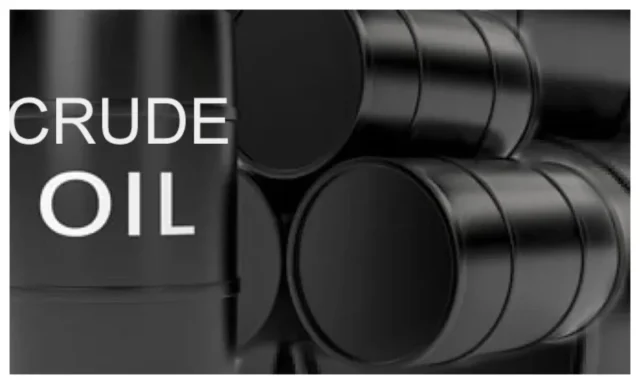
Global oil prices fell on Wednesday after US President Donald Trump said American and Iranian representatives had held what he described as “very productive” talks at the United Nations, raising hopes of progress towards easing tensions in the Middle East.
International benchmark Brent crude dropped below the closely watched $100-per-barrel level, trading at $98.41 during afternoon Asian trading.
West Texas Intermediate, the main US crude benchmark, also declined to $89.23 per barrel.
At around 0215 GMT, WTI was down 1.4 per cent, while Brent had fallen 0.9 per cent.
Oil prices have repeatedly crossed the $100 threshold since the Middle East conflict began in February, as disruptions to major shipping routes and concerns over crude supplies increased volatility in global energy markets.
US-Iran Talks Ease Supply Concerns
Trump told reporters that the three-hour meeting between US and Iranian representatives had been “very good” and “very productive,” adding that another round of discussions was expected soon.
The comments offered markets some prospect of diplomatic progress after months of escalating tensions.
However, Trump’s remarks came hours after a strongly worded address to the United Nations in which he said the United States faced a major decision over whether to reach an agreement with Iran or intensify military action against the country.
The conflict, triggered by US-Israeli strikes nearly seven months ago, has continued to disrupt energy markets.
Iran has kept the Strait of Hormuz closed, while the United States has maintained a counter-blockade of Iranian ports.
The Strait of Hormuz is a critical route for global energy shipments, making developments around the waterway particularly important for international oil prices.
Meanwhile, fighting involving Saudi-backed government forces and the Iran-backed Houthis in Yemen has placed additional pressure on energy exports through the Red Sea.
Stephen Innes of Quintex Intel said the talks were significant because they shifted market expectations away from continued escalation and towards the possibility of diplomacy, although a final agreement remained uncertain.
Saudi Arabia Moves to Restore Export Route
Oil prices also came under pressure following reports that Saudi Arabia had restarted operations along its East-West Pipeline, an important alternative export route previously shut down following drone attacks.
The kingdom is reportedly preparing to resume exports through the route later in the week.
Saudi Aramco was also reported to have informed some Asian refiners that they could soon begin collecting crude from the Red Sea port of Yanbu.
However, European customers were reportedly told they would not receive Saudi crude allocations in October, highlighting continuing supply constraints despite efforts to restore export capacity.
The reopening of the East-West Pipeline could provide an alternative route for Saudi crude shipments amid disruptions affecting other major Middle Eastern export corridors.
Middle East Developments Remain Key to Oil Outlook
Despite Wednesday’s decline, uncertainty surrounding the Middle East conflict continues to influence global crude markets.
Trump has previously said oil prices would decline once the United States succeeds in resolving the conflict, while traders remain sensitive to developments involving Iran, Saudi Arabia and major regional shipping routes.
Attention is also turning to a scheduled summit between Trump and Chinese President Xi Jinping on Thursday.
While trade relations between the world’s two largest economies are expected to feature prominently in the discussions, analysts said developments in the Middle East could also form part of the talks.
Kyle Rodda, senior financial market analyst at Capital.com, said the conflict could become a major issue if Washington seeks China’s assistance in using its influence with Iran.
With Brent trading at $98.41 and WTI at $89.23 per barrel on Wednesday, further movements in crude prices are likely to remain closely tied to diplomatic developments and the restoration of disrupted Middle Eastern oil supplies.









Post Comment