Nigerian Passport Ranking Drops to 181st as Visa-Free Access Declines
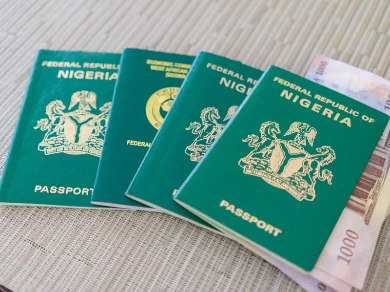
Nigeria’s passport has dropped to 181st position out of 196 countries in the latest IziVisa Passport Ranking Index, highlighting a decline in the number of destinations Nigerian citizens can visit without obtaining a visa in advance.
According to the latest data published by IziVisa, Nigerian passport holders can travel to 24 destinations visa-free, obtain visas on arrival in 16 countries and apply for electronic visas to access another 43 destinations.
The latest ranking marks a sharp difference from July 2026, when Nigeria ranked 90th and had access to 44 destinations without obtaining a visa beforehand, according to the report by The PUNCH.
However, the IziVisa and Henley Passport Index use different methods to assess passport strength, meaning their rankings should not be compared directly.
Nigeria’s Passport Loses Ground in Global Ranking
The IziVisa Passport Ranking Index measures international travel access based on the entry requirements imposed on passport holders by different countries.
The decline in Nigeria’s reported visa-free access means that travellers may face additional visa applications, processing fees and documentation requirements when planning trips abroad.
For Nigerians travelling for business, tourism, education or other purposes, these requirements can increase travel costs and make international trips more difficult to plan.
UAE Tops the Latest Passport Ranking
The United Arab Emirates leads the latest IziVisa ranking, with its passport providing access to 185 of 198 destinations through visa-free entry, visas on arrival and electronic visas.
Switzerland follows in second place, with access to numerous destinations across the different entry categories. Luxembourg, Malta, Denmark, Spain and Finland also feature among the highly ranked passports.
The differences between these countries and Nigeria highlight the varying levels of international travel access available to citizens around the world.
How Nigeria Ranked on the Henley Passport Index
In a separate assessment, the July 2026 edition of the Henley Passport Index ranked Nigeria 90th out of 199 passports, with access to 44 destinations without a prior visa.
The ranking represented a one-place decline from Nigeria’s 89th position in April 2026, although its visa-free score remained unchanged at 44 destinations.
Other African countries recorded higher positions in the Henley assessment. South Africa ranked 49th globally, with access to 101 destinations, while Botswana placed 61st with 81 destinations.
Morocco ranked 67th with access to 71 destinations, while Kenya placed 68th with 70 destinations. Ghana ranked 70th, with access to 67 destinations.
The difference between Nigeria’s positions in the two reports reflects the different methodologies and destination coverage used by the indices, rather than a directly comparable change in ranking.
What the Decline Means for Nigerian Travellers
Limited visa-free access can affect Nigerians who travel abroad for business meetings, international conferences, holidays and other opportunities.
Travellers may need to spend more time preparing applications, gathering supporting documents and paying visa fees before departure.
For businesses with international clients or partners, additional travel requirements can also make overseas meetings and other business activities more complicated.
However, visa requirements vary by destination, and travellers should confirm the latest entry rules with the relevant embassy or immigration authority before booking a trip.
Conclusion
Nigeria’s latest reported passport ranking has renewed attention on the international travel opportunities available to its citizens.
While the IziVisa assessment places Nigeria 181st globally, the separate Henley Passport Index continues to provide a different picture based on its own methodology.
For Nigerian travellers, understanding these differences and checking current visa requirements remain important when planning international journeys. The latest figures also highlight the importance of monitoring changes in global travel policies and their potential impact on individuals and businesses.













Post Comment