Lagos Depends on 4.5 Million Generators as Electricity Shortage Threatens Business Productivity
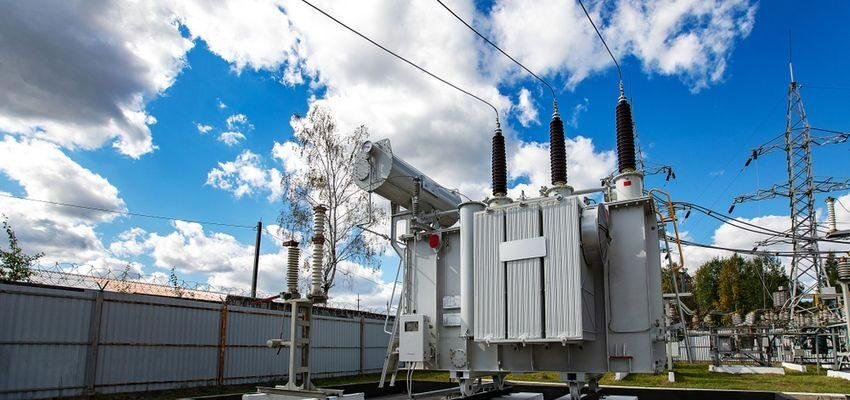
Lagos State’s electricity challenges continue to place significant pressure on businesses and households, with an estimated 4.5 million fossil-fuel generators operating across the state as the national grid supplies only about 20% of its electricity demand.
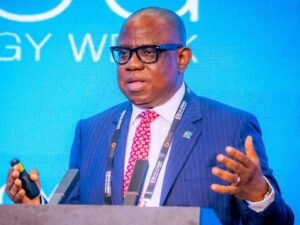
The figures were disclosed by the Lagos State Commissioner for Energy and Mineral Resources, Biodun Ogunleye, during a presentation on urban renewal and infrastructure development.
Citing a 2024 study conducted by the Lagos State Government and Sustainable Energy for All, the commissioner highlighted the economic and environmental consequences of widespread dependence on generators.
The Hidden Cost of Unreliable Electricity
For many Lagos businesses, generators have become essential equipment rather than occasional backup power sources.
Small businesses, manufacturers, shopping centres and service providers frequently depend on alternative electricity generation to maintain operations.
This increases operating expenses through fuel purchases, equipment maintenance and repairs.
The commissioner also revealed that the estimated annual greenhouse gas emissions associated with generator use in Lagos amount to approximately 39 million tonnes of carbon dioxide equivalent, based on the referenced study.
Beyond financial costs, widespread generator dependence contributes to environmental pollution and noise.
Lagos Moves Towards Alternative Power Infrastructure
To reduce dependence on generators, the state government is pursuing electricity infrastructure projects designed to improve local power supply.
One initiative is the Victoria Island Power project, which is being developed with a planned embedded generation capacity of 40 megawatts.
The project also includes a proposed 12.6-kilometre dedicated underground feeder network intended to serve businesses within the commercial district.
Another initiative involves the rehabilitation of the Akute Independent Power Plant, which has a contracted base capacity of 26 megawatts.
The government expects these projects to support more reliable electricity access for businesses and public services.
Opportunities for Nigeria’s Renewable Energy Industry
Persistent electricity shortages continue to create demand for alternative energy solutions.
Solar power systems, battery storage, energy-efficient equipment and distributed electricity networks may play increasingly important roles in meeting commercial electricity needs.
For companies operating in the renewable energy sector, these challenges present opportunities to provide more reliable and potentially cost-effective energy solutions.
However, affordability, equipment quality, financing and maintenance remain important considerations for businesses considering a transition.
The Bigger Picture
Lagos remains Nigeria’s largest commercial centre, making dependable electricity essential for productivity and economic development.
Improving electricity infrastructure could reduce business operating costs, attract investment and strengthen industrial competitiveness.
The long-term impact will depend on how effectively proposed projects are completed and whether reliable electricity becomes accessible to more businesses and households.









Post Comment