FG Links 15.6 Million Nigerians to NIN in Social Register for Cash Transfers
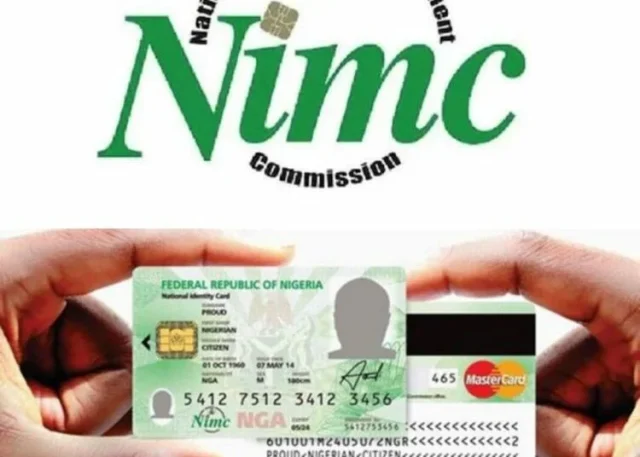
The Federal Government has integrated the National Identification Numbers (NINs) of more than 15.6 million Nigerians into the National Social Register as part of efforts to improve the delivery of financial assistance to poor and vulnerable households.
The National Social Safety-Nets Coordinating Office (NASSCO) disclosed the figures in October 2026, explaining that the exercise is designed to improve beneficiary identification, reduce duplicate records and ensure government support reaches eligible Nigerians.
The latest update shows that 15,653,374 individuals have had their NINs integrated into the register, which contains more than 83 million people across the country.
According to the report, more than 13.3 million households have had their records updated across 771 local government areas in Nigeria’s 36 states and the Federal Capital Territory.
FG Updates More Than 13.3 Million Household Records
NASSCO data show that the National Social Register contains 21.1 million households, representing approximately 83.2 million individuals.
Of these, 13.33 million household records had been updated as of October 2026, accounting for 63.13 per cent of the total. About 7.78 million households were yet to be covered by the reported updates.
The agency also disclosed that 11.35 million households had at least one member whose NIN was integrated into the register.
The exercise is intended to strengthen the accuracy of the database and improve the government’s ability to identify households that may qualify for social assistance.
NIN integration is also expected to help reduce errors and duplication in the administration of cash transfers and other social intervention programmes.
FG Disburses ₦658.9bn to Vulnerable Households
The development comes as the Federal Government continues its cash transfer programme to support Nigerians facing economic hardship and rising living costs.
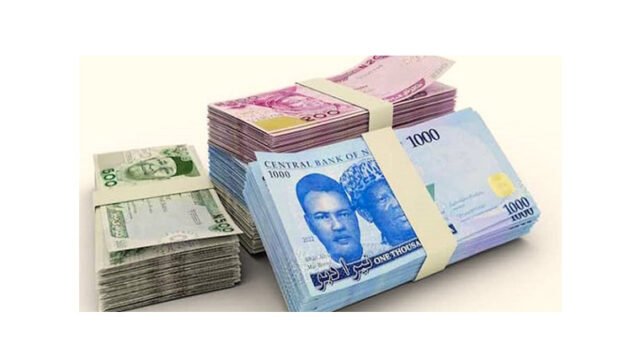
According to the World Bank’s latest Nigeria Development Update, the government had disbursed ₦658.9 billion to 10.46 million poor and vulnerable households as of September 2026.
The programme is intended to provide financial relief to eligible households and help them manage the rising costs of essential goods and services.
However, the World Bank has called for wider coverage, more adequate payments and more consistent delivery of financial assistance.
The government’s efforts to improve beneficiary identification are therefore important to ensuring that support reaches the intended recipients.
Ebonyi Leads in Household Record Updates
The state-by-state figures show significant differences in the progress made in updating household records.
Ebonyi State recorded the highest coverage at 88.08 per cent, followed by Enugu at 86.62 per cent and Kano at 86.18 per cent.
Kogi recorded 80.61 per cent, while Ekiti achieved 80.25 per cent.
At the other end, Delta State recorded the lowest coverage at 25.31 per cent, followed by Lagos at 35.36 per cent and Borno at 38.18 per cent.
Oyo recorded 41.28 per cent, while Sokoto reached 41.61 per cent.
The differences highlight the uneven progress across states and the need to update more household records to improve the reach of social protection programmes.
NIN Registration Remains Important for Social Support
Integrating NIN into the National Social Register is part of a broader effort to strengthen Nigeria’s identity management and social protection systems.
The government expects the process to improve verification, reduce duplicate entries and make it easier to identify eligible beneficiaries.
However, being listed in the National Social Register or having a NIN linked to the database does not automatically guarantee a cash transfer. Beneficiaries must still meet the relevant programme requirements and undergo the necessary verification.
The National Social Register serves as a database for identifying poor and vulnerable households that may qualify for government support.
What the Development Means for Nigerians
Improved household records could help make social intervention programmes more transparent and effective.
For vulnerable families, the main concern is whether better identification will lead to timely payments and wider access to financial assistance.
Millions of household records are still awaiting updates, making continued registration, verification and coordination between government agencies important.
The effectiveness of the programme will ultimately depend on the government’s ability to translate better records into reliable support for eligible households.
Conclusion
The Federal Government has linked the NINs of more than 15.6 million Nigerians to the National Social Register as it works to improve the delivery of cash transfers and other social interventions.
Although the update represents progress in strengthening the database, millions of household records are still awaiting updates.
Expanding coverage, improving verification and ensuring consistent payments will be important to making the programme more effective for Nigerians who need financial assistance.












Post Comment