Nigeria Partners with China’s Yutong to Assemble 1,000 CNG Buses and Expand Local Automotive Manufacturing
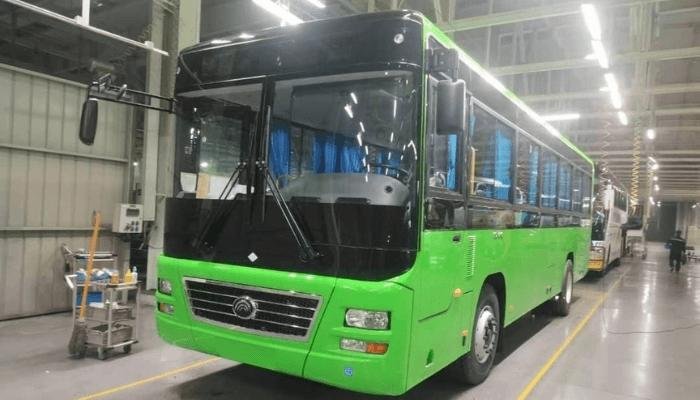
Nigeria’s automotive industry could receive a significant boost following a new agreement between the Federal Government, Chinese bus manufacturer Yutong and Nigerian partner YP Automobile to introduce compressed natural gas-powered buses and develop local vehicle assembly capacity.
The partnership aims to support more affordable public transportation while creating employment opportunities and strengthening Nigeria’s domestic automotive industry.
According to Punch Newspapers, the agreement was signed in Lagos on Thursday, November 19, 2026, under the Presidential Initiative on Compressed Natural Gas and Electric Vehicles.
Leyland Nigeria is expected to host the proposed vehicle assembly investment.
Local Assembly of 1,000 CNG Buses Planned
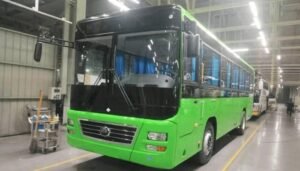
A major objective of the partnership is the proposed local assembly of 1,000 CNG-powered buses.
The initiative is intended to move beyond importing fully assembled vehicles by developing technical and manufacturing capabilities within Nigeria.
Yutong, a major Chinese commercial vehicle manufacturer, will work with Nigerian partners to establish the assembly project.
According to Yutong representative Damian Li, the company has already delivered more than 1,400 buses to Nigeria.
The new partnership is expected to build on that experience while supporting the gradual development of local production capacity.
However, the investment value, construction timetable and production commencement date have not yet been announced.
The 1,000 buses should therefore be understood as the project’s proposed assembly target rather than vehicles already manufactured.
Why Nigeria Is Promoting CNG Transportation
Compressed natural gas is being promoted as an alternative fuel for selected commercial transportation applications.
Nigeria possesses substantial natural gas reserves, creating an opportunity to develop domestic transport solutions that use locally available energy resources.
The Federal Government has been encouraging the adoption of CNG and electric vehicles through initiatives designed to reduce dependence on conventional petroleum fuels.
For public transport operators, CNG can potentially offer lower fuel costs depending on the price of natural gas, vehicle efficiency and maintenance requirements.
However, the total cost of operating CNG buses also depends on the availability of refuelling infrastructure and the cost of vehicle acquisition.
Reviving Nigeria’s Automotive Manufacturing Industry
The proposed partnership could contribute to efforts to rebuild local automotive manufacturing capacity.
For years, Nigerian vehicle assembly operations have faced challenges involving high production costs, inadequate infrastructure and competition from imported vehicles.
A properly executed bus assembly project could create demand for skilled workers in mechanical engineering, manufacturing and automotive maintenance.
It may also support businesses involved in supplying components, electrical systems, spare parts and industrial services.
YP Automobile Chief Operating Officer Panagiotis Marris described the initiative as an opportunity to rebuild technical expertise within Nigeria’s automotive sector.
Jobs and Technology Transfer Expected
The Presidential CNG Initiative expects the agreement to support employment creation and technology transfer.
Nigerian workers could gain additional exposure to modern vehicle assembly practices and specialised maintenance requirements.
Technical training may also help develop a workforce capable of supporting a larger domestic CNG vehicle market.
Beyond direct factory employment, related opportunities may emerge in vehicle servicing, equipment supply, refuelling infrastructure and transportation operations.
However, no independently verified job-creation figure or confirmed employment timetable was disclosed.
What This Means for Nigerian Businesses
Transportation costs influence the prices of goods and services across the economy.
Businesses rely on affordable transportation to move employees, deliver products and maintain supply chains.
If the proposed buses become operational at competitive costs, they could contribute to more affordable mass transportation on selected routes.
The initiative could also create commercial opportunities for companies operating in logistics, automotive services, fuel infrastructure and industrial supply.
For investors, the agreement highlights the potential for partnerships between Nigerian businesses and international manufacturers.
Infrastructure Will Determine Success
Despite the opportunities, scaling up CNG transportation requires more than assembling vehicles.
Operators need reliable refuelling stations, trained mechanics, appropriate safety procedures and dependable supplies of natural gas.
Without sufficient infrastructure, the economic advantages of CNG buses may be difficult to realise.
The availability of suitable financing for transport operators will also influence how quickly the vehicles can be adopted.
The Bigger Picture
Nigeria’s agreement with Yutong and YP Automobile represents another effort to strengthen the domestic automotive industry and improve transportation efficiency.
It could support local assembly, technical training and the development of a wider CNG vehicle ecosystem.
For Nigeria’s economy, the greatest opportunity lies in turning international manufacturing partnerships into sustainable local production, employment and more affordable transportation.
The project’s eventual impact will depend on investment execution, production capacity, refuelling infrastructure and the successful deployment of buses.




Post Comment