CBN Increases Treasury Bills Offer to ₦6 Trillion as Nigeria Expands Domestic Borrowing
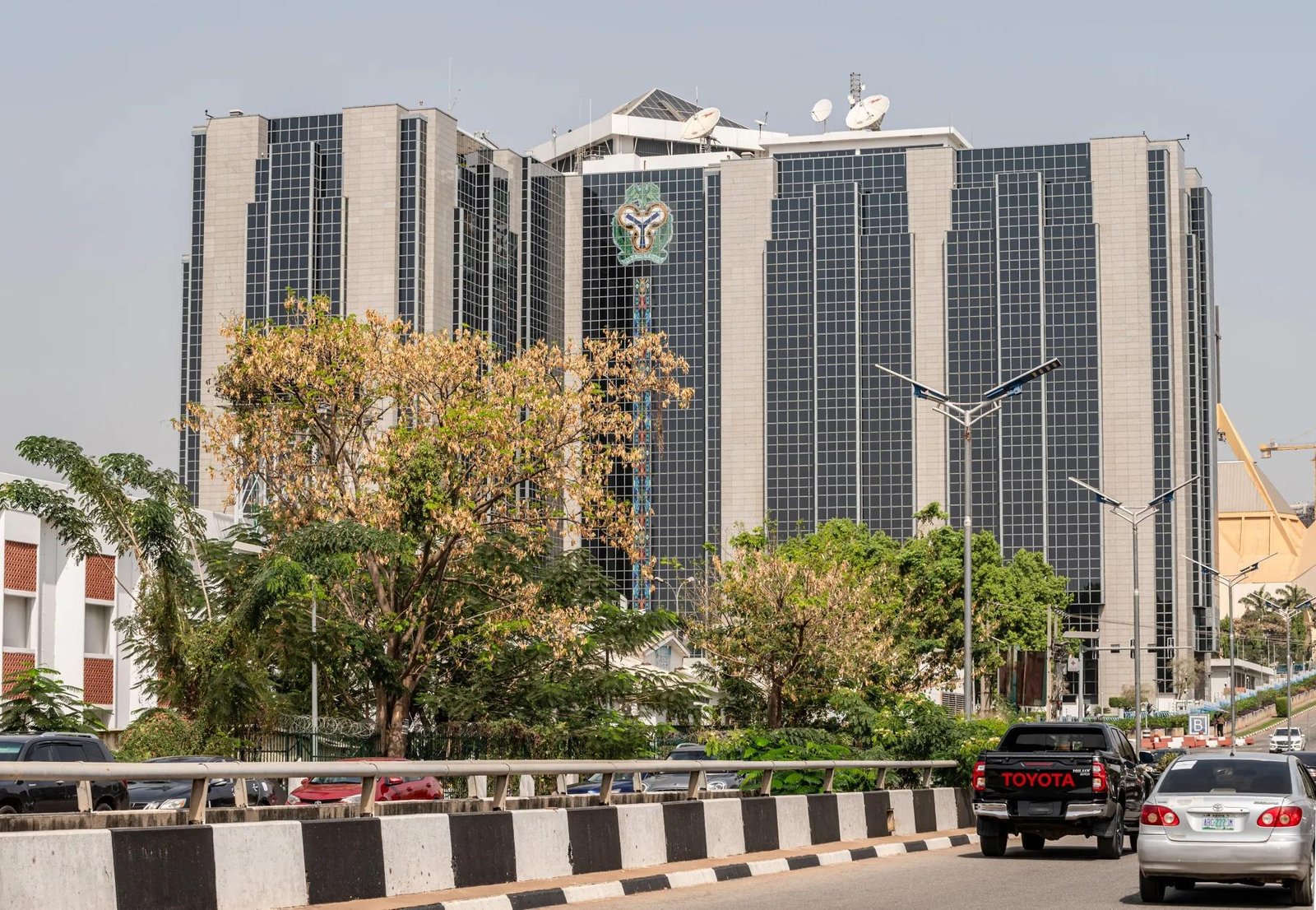
The Central Bank of Nigeria has increased its Treasury bills issuance target for the final quarter of 2026 to ₦6 trillion, reflecting a growing reliance on domestic financial markets to support government financing requirements.
The revised target represents an additional ₦600 billion compared with the ₦5.4 trillion initially scheduled for the fourth quarter.
According to Punch Newspapers, the Central Bank announced the adjustment through an updated Nigerian Treasury bills issuance calendar.
The new timetable includes an additional auction scheduled for November 25, 2026.
Why the Treasury Bills Target Was Increased
Treasury bills are short-term debt securities issued by the Federal Government to raise financing from investors.
They are typically purchased by banks, institutional investors and eligible individuals seeking short-term fixed-income investments.
The Central Bank conducts Treasury bills auctions on behalf of the Debt Management Office.
By increasing the amount offered, the government can seek additional financing from the domestic debt market.
The latest ₦600 billion increase represents an 11.1% upward revision to the original issuance plan.
However, the ₦6 trillion figure is an issuance target rather than confirmation that the entire amount has already been borrowed.
Actual borrowing will depend on completed auctions, investor demand and allotment decisions.
What the Increase Means for Nigeria’s Financial Market
A larger Treasury bills offering creates additional opportunities for investors interested in government securities.
Financial institutions may increase their holdings of short-term government debt if the available yields are attractive.
However, increased government borrowing may also influence broader financial market conditions.
When banks allocate substantial funds to government securities, the amount of funding available for other lending activities can be affected.
This creates concerns about the possibility of government borrowing competing with private businesses for available capital.
The effect depends on liquidity conditions, investor demand and the structure of the financial system.
Treasury Bills Yields Remain Elevated
The latest announcement comes amid relatively high yields in Nigeria’s fixed-income market.
According to market data cited by Punch, the average Treasury bills yield declined slightly to approximately 17.78% during Wednesday’s trading session.
Meanwhile, average Federal Government bond yields increased to approximately 16.41%.
The difference reflects varying conditions across different segments of the government debt market.
Treasury bill yields can change with market demand, maturity periods and monetary policy conditions.
As a result, the average market yield should not be interpreted as a guaranteed return available to every investor.
What This Means for Nigerian Businesses
Government borrowing can have implications for businesses seeking access to credit.
When short-term government securities offer attractive returns, financial institutions may find them preferable to lending to higher-risk private borrowers.
This could make it more difficult for some small and medium-sized enterprises to obtain affordable loans.
Manufacturers and other capital-intensive businesses may be particularly affected when borrowing costs remain elevated.
For companies considering expansion, understanding interest-rate conditions is important when evaluating financing options.
However, Treasury bills issuance alone does not determine the interest rates commercial banks charge their customers.
Opportunities for Investors
For investors, Treasury bills can provide relatively predictable short-term investment returns when held to maturity.
They may appeal to individuals and institutions seeking to manage cash balances or diversify fixed-income holdings.
Nevertheless, investors should consider inflation, maturity periods, tax treatment and the terms of any investment.
Purchasing securities before maturity and selling them later may also expose investors to market-price changes.
The Bigger Picture
The Central Bank’s decision to raise the fourth-quarter Treasury bills issuance target to ₦6 trillion highlights the government’s continuing need for domestic financing.
While Treasury bills provide an established mechanism for raising funds, sustained borrowing requires careful management of debt servicing costs.
For Nigeria’s economy, the challenge is to balance government financing needs with the private sector’s demand for affordable credit.
The success of the borrowing programme will depend not only on attracting investors but also on ensuring that public financing supports sustainable economic development.












Post Comment