Naira Weakens to ₦1,440/$ as Nigeria’s Foreign Reserves Decline by $406 Million
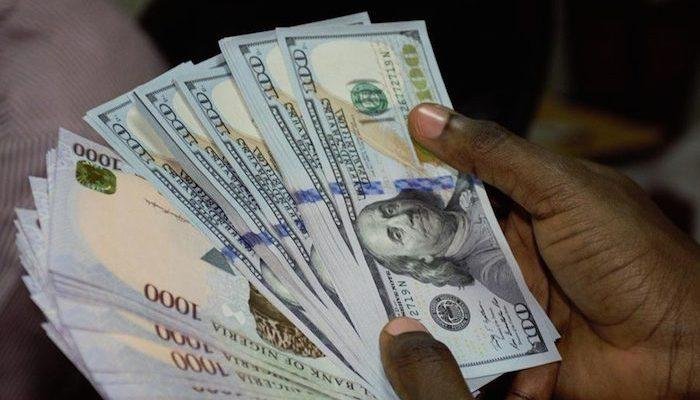
Nigeria’s foreign exchange market is experiencing renewed pressure as the naira depreciates against the United States dollar, while the country’s external reserves record a $406 million decline within one month.
The development has raised concerns about currency stability, international trade costs and the financial outlook for businesses that depend on foreign exchange.
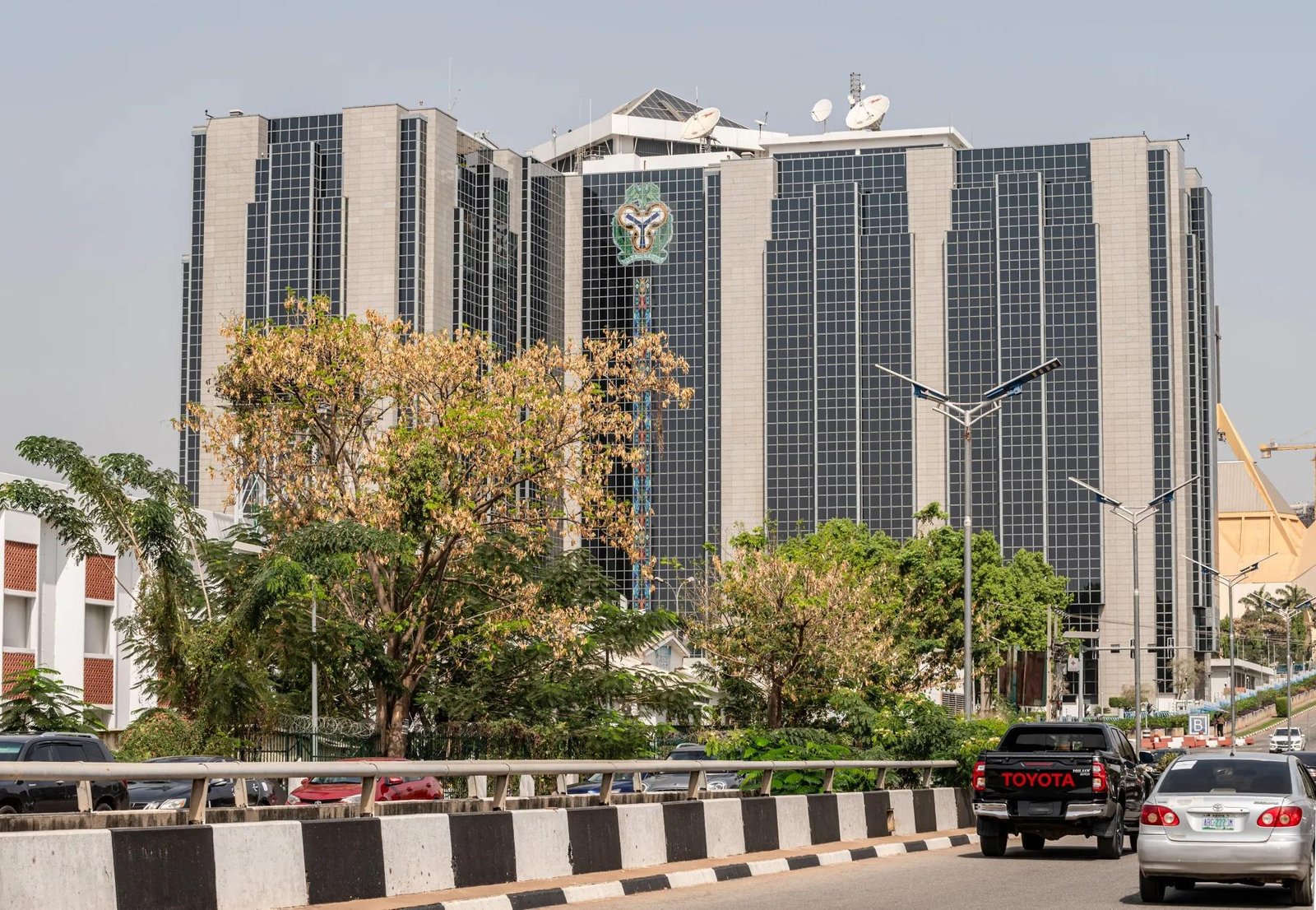
According to figures from the Central Bank of Nigeria reported by Punch Newspapers on November 20, 2026, the naira weakened to ₦1,388 per dollar in the official foreign exchange market on Thursday, November 19.
This compares with ₦1,333.50 per dollar recorded on October 19, representing a depreciation of approximately 4.1% over the period.
Meanwhile, the parallel market exchange rate reached ₦1,440 per dollar, compared with approximately ₦1,375 one month earlier.
Foreign Reserves Fall Below $55 Billion
Alongside the weakening currency, Nigeria’s gross foreign exchange reserves declined from $55.119 billion on October 19 to $54.713 billion as of November 18.
The difference represents a reduction of approximately $406 million.
External reserves are important because they provide a financial buffer for international obligations and help strengthen confidence in a country’s external financial position.
The latest decline follows a period in which Nigeria’s reserves exceeded $55 billion, reaching their highest level in more than 18 years, according to the Central Bank.
Although the reduction is relatively small compared with the total reserve balance, it has attracted attention because it coincides with renewed pressure on the naira.
Why Is the Naira Losing Value?
Economic analysts have identified several possible factors influencing the latest currency movements.
These include reduced dollar inflows, stronger demand for foreign exchange, uncertainty in financial markets and seasonal increases in international payments.
The Chief Executive Officer of the Centre for the Promotion of Private Enterprise, Dr Muda Yusuf, also raised concerns about the potential impact of political spending and investor uncertainty.
However, these factors are possible explanations rather than conclusively established causes of the depreciation.
The supply of foreign currency from exports, remittances and international investment will remain important in determining the naira’s future direction.
What This Means for Nigerian Businesses
Currency depreciation can increase operating costs for companies that depend on imported goods.
Manufacturers may face higher expenses when purchasing machinery, spare parts and raw materials priced in dollars.
Retailers importing electronics, clothing and other consumer products could also experience increased purchasing costs.
For businesses with foreign-currency loans or international financial obligations, a weaker naira may increase the amount needed to meet repayments.
However, exporters earning revenue in foreign currencies may receive more naira when converting their earnings, although they may also face higher costs for imported inputs.
What Business Owners Should Consider
Businesses exposed to foreign exchange movements may need to strengthen their financial planning.
Important considerations include reviewing supplier contracts, managing foreign-currency obligations, monitoring inventory costs and evaluating alternative sources of raw materials.
Companies should avoid assuming that recent exchange-rate movements will continue indefinitely.
Exchange rates can change in either direction depending on market developments.
The Bigger Picture
Nigeria’s latest currency depreciation highlights the importance of maintaining foreign exchange liquidity and investor confidence.
Although the country’s external reserves remain substantial, sustained pressure on the naira could complicate business planning and increase import-related costs.
For Nigeria’s economy, long-term currency stability will depend on stronger export earnings, investment inflows, competitive domestic production and confidence in economic policies.
Businesses and investors will closely monitor the Central Bank’s next policy decisions and developments in the foreign exchange market.










Post Comment