Dangote Reveals How 40% Bank Interest and Infrastructure Challenges Threatened Obajana Cement Project
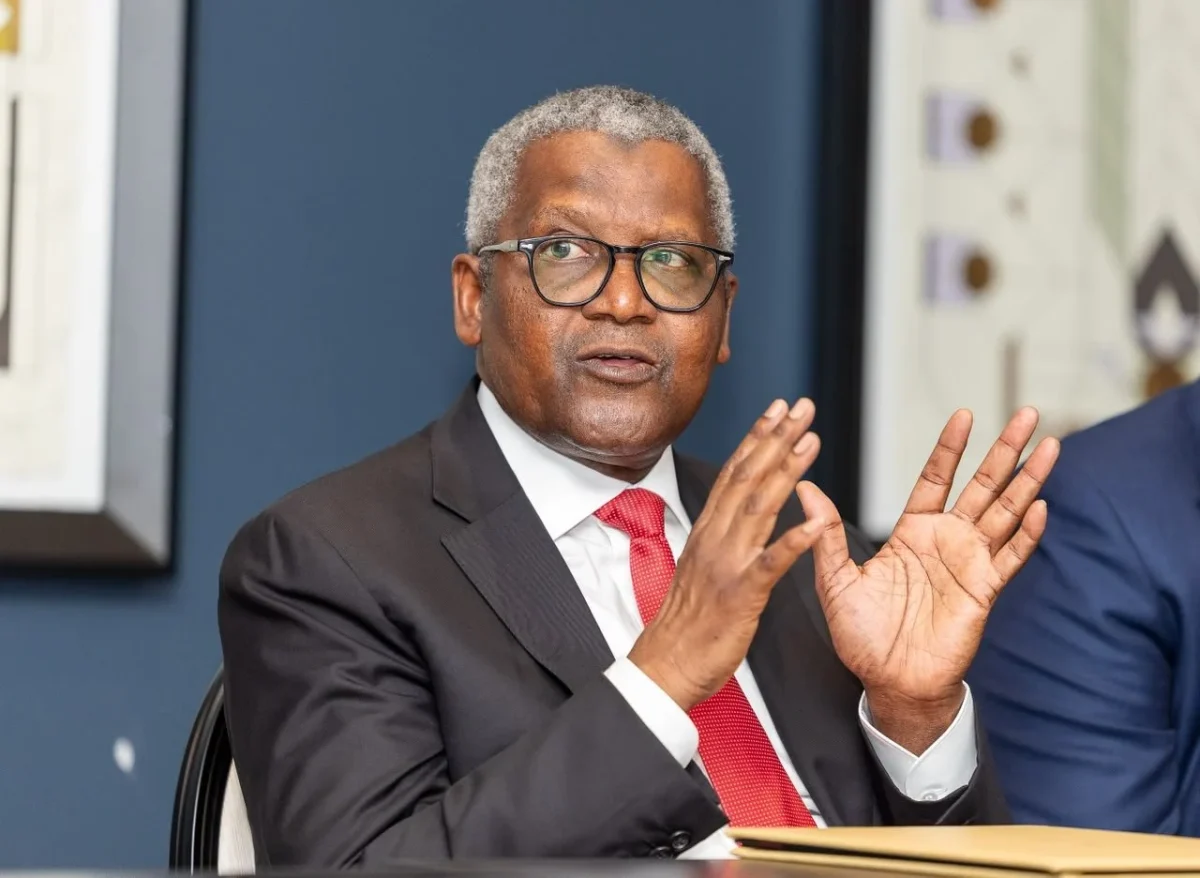
Africa’s leading industrialist, Aliko Dangote, has revealed that his company paid interest rates as high as 40% on loans obtained from Nigerian banks while financing the development of its Obajana Cement plant in Kogi State.
The disclosure offers insight into the financing difficulties experienced by one of Nigeria’s largest industrial companies during the early development of its cement operations.
Dangote made the revelation during the 25th annual conference of Women in Management and Business in Lagos, where he discussed the challenges of building large-scale industrial businesses in Nigeria.
His account highlights the financial and infrastructure pressures that manufacturers can face when developing capital-intensive projects.
How Financing Costs Affected the Project
According to Dangote, the Obajana project encountered difficulties because essential infrastructure was not available as originally anticipated.
The company had expected adequate public electricity and other services but eventually needed to make additional investments in facilities such as gas pipelines and power generation.
These infrastructure requirements increased the project’s financial burden.
Dangote explained that the company relied on local bank financing at interest rates reaching 40%, placing substantial pressure on its finances.
The company subsequently obtained support from the International Finance Corporation, which recommended a longer repayment arrangement after reviewing its financial projections.
Rather than the three-year repayment period Dangote initially proposed, the institution recommended a seven-year structure, including an initial two-year period without principal repayments.
Why This Matters for Nigerian Manufacturers
Manufacturing businesses often require substantial financing before they can begin generating revenue.
Factories must purchase machinery, construct buildings, install production equipment and secure reliable energy and transportation infrastructure.
When financing is expensive, these investments become more difficult to justify.
The experience described by Dangote illustrates why manufacturers frequently advocate affordable long-term credit and improved public infrastructure.
Importantly, the 40% interest rate refers to the historical financing of the Obajana project, not a newly announced lending rate for November 2026.
A Major Industrial Achievement
Despite the early challenges, Obajana has developed into one of Nigeria’s most important cement manufacturing facilities.
The plant now has an installed production capacity of approximately 16.25 million tonnes annually across five production lines.
Its development reflects the scale of investment required to build competitive industrial capacity within Nigeria.
The Bigger Picture
Dangote’s experience highlights the connection between financing costs, infrastructure availability and industrial development.
For Nigerian entrepreneurs, the lesson is that ambitious projects require more than access to capital. They also depend on realistic financial planning, reliable infrastructure and suitable repayment structures.
For policymakers, the disclosure reinforces the need to improve the operating environment for manufacturers.
A more competitive industrial economy will require financial institutions, infrastructure providers and government agencies to address the barriers that make large-scale production expensive.









Post Comment