Nigeria Seeks Extension of $430 Million Digital Identity Project as 59 Million NIN Target Gap Remains
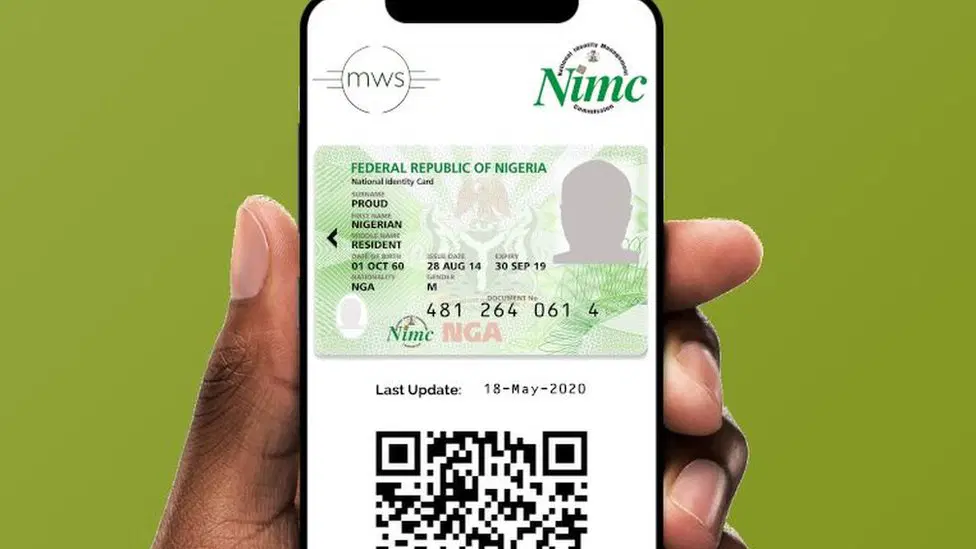
The Federal Government has requested an additional 12 months to complete Nigeria’s $430 million digital identification programme after project records revealed that approximately $196 million remains undisbursed and enrolment targets have yet to be achieved.
The development was disclosed in a World Bank restructuring document dated October 22, 2026, as reported by Punch Newspapers.
The proposed extension would move the project’s closing date from December 31, 2026, to December 31, 2027.
If approved, it would mark another extension of a programme originally scheduled for completion in June 2024.
Millions of Nigerians Yet to Meet Registration Target
The Nigeria Digital Identification for Development Project was designed to expand access to secure and inclusive identification services.
As of September 30, 2026, approximately 121 million Nigerians had successfully received National Identification Numbers.
However, the project’s target stands at 180 million, leaving a gap of about 59 million.
To close this gap, the National Identity Management Commission would need to accelerate its average monthly enrolment rate from 1.5 million to approximately 3.9 million.
This represents a considerable implementation challenge.
Why $196 Million Remains Undisbursed
According to the World Bank report, approximately $234 million, representing 54.4% of the total programme financing, has been disbursed.
The remaining $196 million covers funds associated with the participating development finance institutions.
The programme is supported by the World Bank’s International Development Association, the French Development Agency and the European Investment Bank.
Several factors have affected implementation, including technology procurement delays, registration challenges and outstanding payments to enrolment partners.
The development of a replacement national identity management platform has also required additional implementation time.
Why Digital Identity Matters for Businesses
Reliable digital identification can play an important role in improving access to financial services and reducing fraud.
Banks, telecommunications companies, fintech providers and other organisations rely on identity verification systems to establish customer identities and comply with regulations.
An effective national identification infrastructure could streamline onboarding procedures, support digital transactions and improve access to formal financial services.
However, the benefits depend on strong data protection, accessible registration processes and dependable authentication technology.
The Bigger Picture
Nigeria’s digital identity programme represents a substantial investment in the infrastructure needed for a modern digital economy.
The extension request highlights the challenges of implementing large-scale technology projects across a population of more than 200 million people.
The immediate priority will be ensuring that remaining resources are effectively utilised, registration targets are pursued and the planned systems become operational.
For businesses and individuals, progress in digital identification could improve access to essential services, but delivering these outcomes will require consistent implementation and accountability.













Post Comment