CBN Repays ₦10.69 Trillion as Nigeria’s Financial System Records Major Liquidity Shift
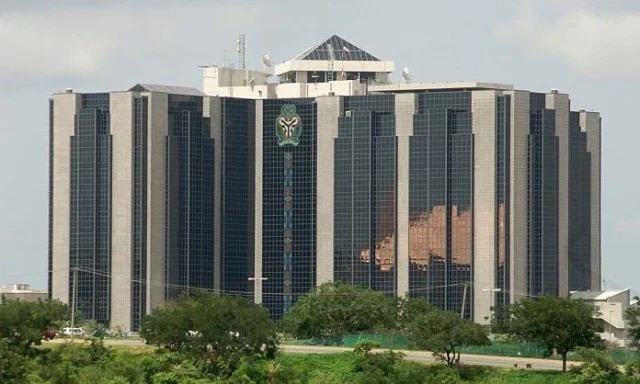
Nigeria’s financial markets recorded a significant development in October 2026 after the Central Bank of Nigeria repaid approximately ₦10.69 trillion to investors holding matured government-related securities.
The repayments exceeded the ₦7.49 trillion raised through fresh securities auctions during the same month, producing a difference of approximately ₦3.20 trillion.
The development represents a reversal from September, when the Central Bank withdrew substantial liquidity through Open Market Operations.
Understanding the ₦10.69 Trillion Repayment
The repayments covered securities that reached maturity between October 2 and October 29, 2026.
According to an analysis of market data reported by Punch Newspapers, approximately ₦6.71 trillion was paid on matured Open Market Operations instruments, while Treasury bill repayments accounted for about ₦3.99 trillion.
Meanwhile, fresh OMO auctions raised ₦6.18 trillion, with Treasury bill sales generating ₦1.31 trillion.
The difference indicates that more funds were returned to investors through these maturities than were withdrawn through the corresponding new auctions.
What This Means for Banks and Investors
When significant volumes of government securities mature, investors receive their principal payments.
If those funds are not fully reinvested in new securities, liquidity within the financial system may increase.
This can affect how banks manage their cash positions, the demand for short-term investments and conditions in the money market.
However, higher liquidity does not automatically translate into cheaper loans for businesses or households.
Interest rates, banking regulations and broader monetary policy conditions continue to influence lending decisions.
Implications for Nigerian Businesses
For businesses seeking financing, improved liquidity could eventually support more favourable credit conditions if banks expand lending.
Investors may also need to reassess available investment opportunities as maturing securities are repaid and yields change.
Financial institutions, meanwhile, will continue balancing liquidity management with profitability and regulatory requirements.
The Bigger Picture
The Central Bank’s October repayment pattern highlights the importance of liquidity management in Nigeria’s monetary policy environment.
Although the ₦3.20 trillion difference suggests reduced net absorption through the securities covered, its wider economic effect will depend on subsequent monetary operations, banking activity and financial market conditions.














Post Comment