Nigeria’s Inflation Rate Projected to Fall to 15.6% in 2026 – IMF
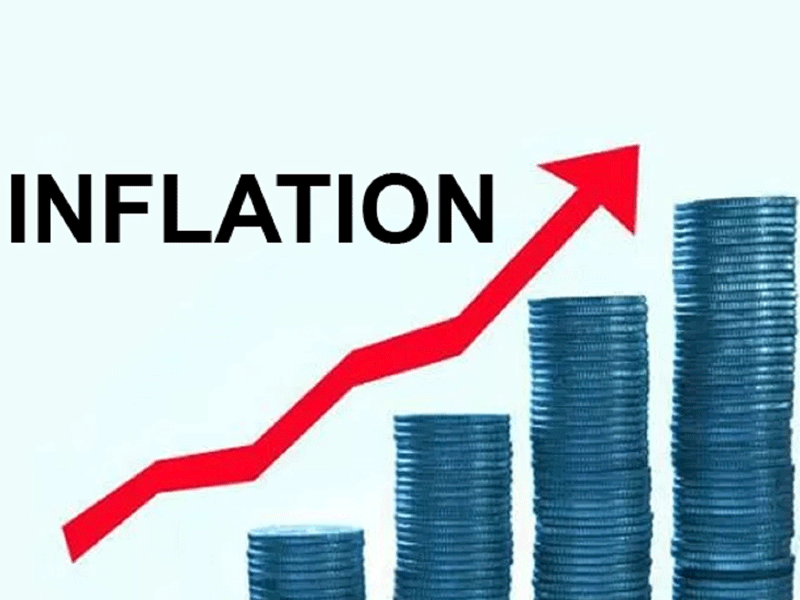
Nigeria’s average inflation rate is projected to decline to 15.6 per cent in 2026, down from 23 per cent recorded in 2025, according to the International Monetary Fund (IMF).
The forecast, contained in the IMF’s October 2026 World Economic Outlook, suggests that inflationary pressures could ease further in 2027, with the annual average rate expected to fall to 14.7 per cent.
Analysts at Coronation Research said improved exchange rate stability and increased domestic refining capacity could help reduce production and transportation costs, easing pressure on prices across the economy.
However, they warned that rising energy and fertiliser costs, food supply challenges and increased government spending ahead of the 2027 general elections could slow the expected decline in inflation. <Cite refs={[“turn396651news2″,”turn396651search1”]}/>
Exchange Rate Stability Could Help Reduce Inflation
Exchange rate stability is expected to play an important role in easing inflationary pressures in Nigeria.
Businesses that depend on imported raw materials, machinery and finished products are particularly affected by fluctuations in the value of the naira.
A more stable exchange rate could make import costs more predictable, helping businesses plan their budgets and manage operating expenses.
However, the benefits will depend on how exchange rate movements affect actual prices, alongside other costs such as transportation, electricity and financing.
Local Refining Capacity May Ease Fuel Costs
The expansion of domestic refining capacity could also support the expected decline in inflation.
Greater local refining activity may reduce Nigeria’s dependence on imported petroleum products and help limit some of the costs associated with importing and distributing fuel.
Lower or more stable fuel costs could ease transportation and production expenses for businesses, potentially reducing pressure on the prices of goods and services.
However, higher energy costs remain a risk, particularly for businesses that rely on petrol, diesel and gas to operate.
IMF Projects Nigeria’s Economy to Grow
Beyond inflation, the IMF expects Nigeria’s economy to grow by 4.2 per cent in 2026 and 4.3 per cent in 2027.
The projected growth is expected to receive support from economic reforms, improved macroeconomic stability and stronger activity in the non-oil sector.
Coronation Asset Management’s analysts also expect inflation to continue moderating, estimating an average rate of 14.56 per cent for 2027, close to the IMF’s projection of 14.7 per cent.
Nevertheless, risks remain, including rising agricultural input costs, energy price pressures and uncertainty surrounding domestic food supplies. <Cite refs={[“turn396651news2″,”turn396651search1”]}/>
Lower Inflation Does Not Mean Prices Will Fall
Although the forecast points to slower inflation, Nigerians may not immediately experience a significant reduction in the cost of living.
A decline in the inflation rate means prices are rising more slowly than before; it does not necessarily mean that goods and services are becoming cheaper.
Food, transportation, housing and other essential expenses may therefore remain high, particularly for households whose incomes have not increased at the same pace as prices.
For businesses, slower inflation could improve budgeting and reduce uncertainty around production costs. However, the extent of the benefit will depend on whether expenses for raw materials, energy and logistics also become more stable.
Businesses and Households Still Face Risks
Despite the improved outlook, food insecurity, higher agricultural costs and possible increases in government spending could affect the pace of disinflation.
Higher fertiliser prices, for example, could increase farming costs and place additional pressure on food prices. Similarly, rising energy costs could increase expenses for manufacturers, transport operators and small businesses.
The government and policymakers will therefore need to sustain efforts to improve food production, strengthen supply chains and maintain economic stability if the inflation forecast is to be achieved.
Conclusion
Nigeria’s average inflation rate is projected to decline to 15.6 per cent in 2026 and 14.7 per cent in 2027, according to the IMF.
Exchange rate stability and increased domestic refining capacity could support this trend, although energy costs, food supply challenges and fiscal pressures remain important risks.
For households and businesses, the key measure of progress will be whether slower inflation eventually translates into more affordable essentials, improved purchasing power and a more predictable business environment.











Post Comment