Cash Outside Nigerian Banks Rises to ₦4.92tn in September – CBN
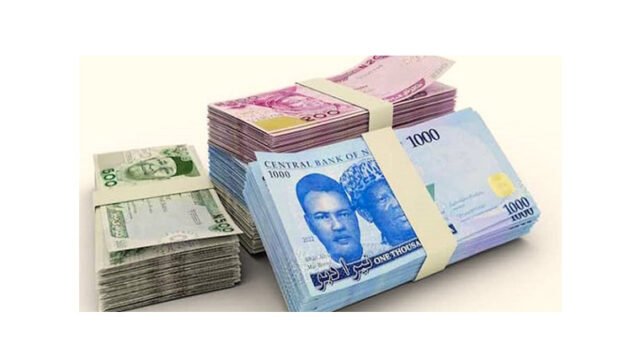
Cash held outside Nigeria’s banking system rose to ₦4.92 trillion in September 2026, as more physical money remained in the hands of individuals and businesses, according to the latest data from the Central Bank of Nigeria (CBN).
The figure increased by ₦48.73 billion from ₦4.87 trillion recorded in August, reflecting a one per cent monthly rise.
The increase came alongside a growth in Nigeria’s broad money supply, which climbed to ₦146.6 trillion in September from ₦139.09 trillion in the previous month.
The figures highlight continued changes in the amount of money circulating across the economy and the role of cash in everyday financial transactions.
Nigeria’s Money Supply Increases by ₦7.51tn
CBN data showed that broad money supply, also known as M3, increased by ₦7.51 trillion in September, representing a monthly growth of approximately 5.4 per cent.
Broad money includes physical cash, demand deposits, savings and time deposits, as well as foreign currency deposits held within the financial system.
The latest increase brings the total growth in broad money supply since January 2026 to ₦22.65 trillion, rising from ₦123.95 trillion at the beginning of the year.
Narrow money, which consists of currency and highly liquid deposits, also increased from ₦43.11 trillion in August to ₦44.05 trillion in September.
The figures indicate that liquidity across the Nigerian economy expanded during the month.
Why Nigerians Continue to Hold Cash Outside Banks
Cash outside banks refers to physical currency held by individuals and businesses rather than kept within the banking system.
Many Nigerians continue to rely on cash for everyday transactions, particularly in open markets, small businesses, transportation and parts of the informal economy.
Although electronic transfers, mobile banking and digital payment services have become more common, cash remains an important payment method for many consumers and traders.
For small businesses, keeping cash available can help with daily purchases, payments to suppliers and other operating expenses.
However, the amount of cash held outside banks does not, by itself, show whether Nigerians are spending more, saving more or avoiding electronic payments. Further data would be needed to establish the reasons behind the increase.
CBN Continues to Promote Digital Payments
The Central Bank of Nigeria has continued to promote digital payments and financial inclusion as part of efforts to improve the country’s payment system.
Electronic transactions can make payments easier to track, reduce the need to carry large amounts of cash and improve access to formal financial services.
A stronger digital payment system can also help businesses manage transactions more efficiently and provide customers with additional payment options.
However, the continued use of physical cash shows that accessibility, transaction reliability and public confidence remain important factors in encouraging wider adoption of electronic payments.
For digital payment services to reach more people, users also need dependable banking infrastructure, convenient access to financial services and confidence that transactions will be completed successfully.
What the Increase Means for Businesses and the Economy
The rise in cash outside banks has implications for businesses, financial institutions and policymakers.
For retailers and small businesses, cash remains useful for daily transactions, especially in areas where digital payment infrastructure may be less reliable.
For banks, the movement of cash outside the formal banking system can affect the amount of funds available within deposit accounts and the broader process of financial intermediation.
For policymakers, changes in cash holdings and money supply provide useful information about liquidity conditions across the economy.
However, an increase in cash outside banks does not automatically mean inflation will rise. Its impact depends on several factors, including how quickly money changes hands, the availability of goods and services, credit conditions and overall economic activity.
Conclusion
Cash held outside Nigeria’s banking system increased to ₦4.92 trillion in September 2026, while broad money supply rose to ₦146.6 trillion, according to CBN data.
The figures show that physical cash remains an important part of Nigeria’s financial system despite the growing availability of electronic payment services.
As the CBN continues to encourage digital transactions and financial inclusion, improving payment reliability and access to banking services will be important in shaping how Nigerians manage and use their money.














Post Comment