Iran War Exposes Nigeria’s Cooking Gas Supply Vulnerabilities as Demand Falls 23%
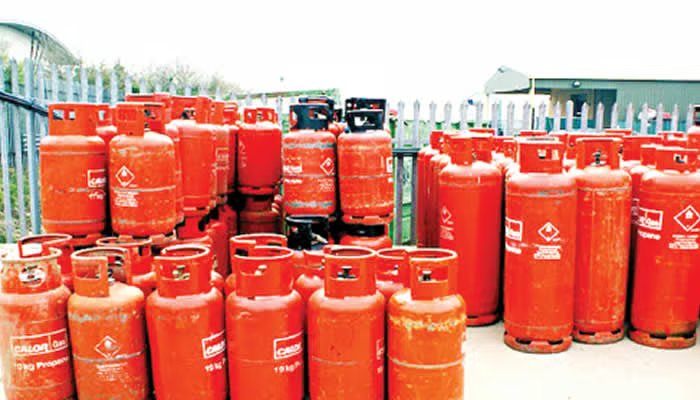
Nigeria’s Liquefied Petroleum Gas market came under significant pressure from global supply disruptions linked to the Iran war, with cooking gas demand falling by almost 23 per cent as domestic production declined and import constraints tightened supply.
A report by energy intelligence provider Argus showed that Nigeria experienced the sharpest disruption among major emerging LPG markets in sub-Saharan Africa.
Nigeria, the region’s largest LPG consumer, recorded demand of 123,000 tonnes in June, a seven-month low and almost 23 per cent below its March level, according to data from the Nigerian Midstream and Downstream Petroleum Regulatory Authority.
Domestic LPG production also declined by more than 20 per cent during the period, reflecting weaker output from inland gas processing facilities and maintenance at the Dangote refinery’s 218,000-barrel-per-day residual fluid catalytic cracker.
Nigeria Turns to Imports as Local Supply Falls
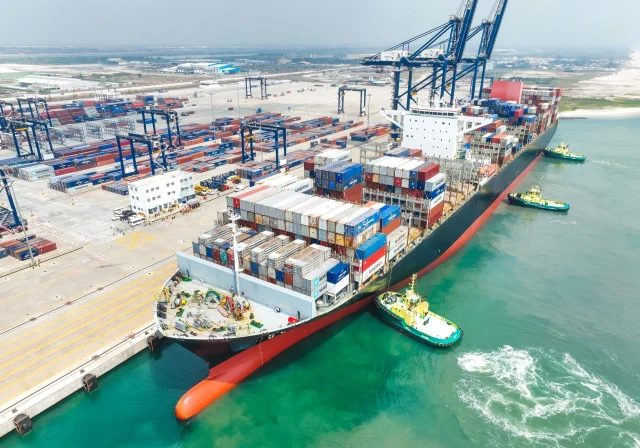
The decline in domestic production forced LPG operators to increase imports to compensate for the supply shortfall.
Imports jumped to a six-month high of 46,000 tonnes in June, according to Argus, compared with just 3,000 tonnes in May. Nigeria recorded no LPG imports in April.
Conditions subsequently improved after international LPG prices declined following the United States-Iran peace deal in June and weaker demand from Asian buyers.
The Argus butane West Africa index fell more than 40 per cent from a March peak of $860.50 per tonne to $513.50 on June 24.
Lower international prices helped Nigeria’s LPG market move into a 30,000-tonne surplus after four consecutive months of supply deficits.
Domestic Production Rebounds
Nigeria’s domestic LPG supply improved further in July.
Supplies from the Dangote refinery increased by 71 per cent to 25,800 tonnes, while output from gas processing plants climbed 88 per cent to 47,000 tonnes.
The recovery allowed Nigeria to reduce its reliance on imports even as renewed hostilities between the United States and Iran began pushing international LPG prices higher again.
Improved supply conditions also provided some relief to consumers.
Nigeria’s average LPG retail price declined by 10 per cent month-on-month to N1,491.75 per kilogramme in July.
Demand subsequently increased by seven per cent to 136,500 tonnes, marking its first monthly increase since March.
Ghana, Kenya Show Greater Resilience
Other major LPG markets across sub-Saharan Africa also experienced pressure from tighter global supplies, although the impact varied considerably.
Ghana’s seaborne LPG imports declined by almost a third year-on-year to approximately 24,000 tonnes per month between April and August.
The decline pushed the country’s LPG inventories down by more than 75 per cent to 5,500 tonnes in early July, equivalent to roughly eight days of consumption.
However, increased domestic production helped cushion the impact, with additional supply coming from the 40,000-barrel-per-day Sentuo refinery.
Ghana’s LPG consumption still increased by almost 11 per cent year-on-year to 96,000 tonnes during the second quarter, although growth slowed from 24 per cent in the first quarter.
Kenya also maintained demand growth despite international market pressures.
LPG consumption increased nearly five per cent year-on-year to 125,000 tonnes between April and June, compared with 18 per cent growth during the first quarter.
Seaborne imports into Kenya increased 15 per cent to 53,000 tonnes per month during the first eight months of 2026, supported by additional import infrastructure.
Africa Expands LPG Infrastructure
The supply disruption comes as African countries continue investing in LPG terminals, storage and distribution infrastructure to support growing demand and improve energy security.
Argus LPG World estimates that 10 projects could add more than 180,000 tonnes of LPG storage capacity across sub-Saharan Africa by 2028.
In Kenya, Taifa Gas is nearing completion of a 30,000-tonne LPG terminal in Mombasa, while Lake Gas plans to add another 15,000 tonnes of storage capacity at its Vipingo terminal by September 2027.
Cameroon has also expanded storage capacity at its Douala terminal and is developing additional infrastructure to reduce supply bottlenecks.
Nigeria Targets Five Million Homes
Nigeria is simultaneously seeking to expand domestic LPG adoption through its National Grassroots LPG Penetration Programme.
Launched in July, the initiative introduced a cylinder recirculation model under which retailers own, track and refill LPG cylinders rather than requiring individual households to purchase and maintain them.
The programme aims to reduce the upfront cost of adopting cooking gas while improving cylinder safety and maintenance.
The government is targeting five million households and annual LPG consumption of about five million tonnes by 2030. About 54,000 cylinders have been distributed since the programme was launched.
Nigeria has also introduced incentives for LPG use beyond household cooking, including a value-added tax exemption for autogas vehicles.
The recent supply disruption highlights the vulnerability created when rising LPG demand is not matched by sufficient domestic production, storage and import infrastructure.
While Nigeria’s market recovered as local output improved and international prices declined, the experience underscores the importance of expanding domestic production and strengthening storage and distribution infrastructure as the country seeks to increase LPG adoption.
Across sub-Saharan Africa, continued investment in production facilities, terminals and storage capacity could play an increasingly important role in insulating emerging LPG markets from future global supply shocks.










Post Comment