Air Peace Disputes NCAA August Flight Delay Data, Cites External Disruptions
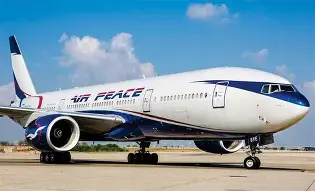
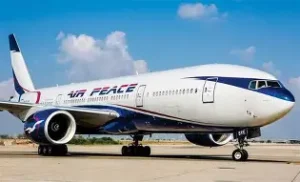
Air Peace has challenged the Nigeria Civil Aviation Authority’s report on domestic flight disruptions in August 2026, arguing that the regulator understated its total flight operations and attributed disruptions to the airline without adequately accounting for external factors.
The airline said it operated 2,564 flights during the month, compared with the 1,864 flights reflected in the NCAA’s report.
In a statement signed by its Chief Operating Officer, Oluwatoyin Olajide, Air Peace argued that the omission of more than 700 flights distorted its operational performance and inflated the proportion of delays attributed to the carrier.
The NCAA’s August report identified Air Peace as recording the highest number of disruptions among domestic airlines, with 1,864 disruptions. United Nigeria Airlines followed with 1,231, while Enugu Air recorded 878.
Domestic airlines collectively recorded 7,961 disruptions during the month, according to the regulator.
Air Peace Questions NCAA Data
Air Peace disputed the regulator’s figures, maintaining that its total operations for August were significantly higher than reported.
According to the airline, excluding more than 700 flights from the data used to assess its performance produced an inaccurate representation of its operations.
The carrier also questioned the timing of the NCAA’s monthly reporting, asking why the series began with August rather than July following the publication of first- and second-quarter data at the end of July.
Air Peace further argued that the August report should have provided greater context around an aviation-sector industrial disruption that affected its operations during the month.
According to the airline, union-related disruptions that began on August 11 affected operations for more than 14 days, resulting in flight rescheduling, delays and cancellations.
Airline Says Only 391 Delays Were Internal
Air Peace said an internal review of its August operations showed that 391 flights were delayed by factors within its control, representing what it described as 15 per cent of the delays experienced during the month.
The airline attributed those internal disruptions largely to technical issues requiring unscheduled aircraft maintenance and fuel-related challenges.
It maintained that most of its other delays resulted from external factors affecting the wider aviation operating environment.
Airport congestion and traffic accounted for more than half of its external delays, according to the airline.
Air Peace said aircraft were frequently held on the ground or placed in holding patterns because of airport infrastructure capacity constraints, creating knock-on effects across subsequent flights.
Bird Strike Adds to Operational Pressure
The airline also cited a bird strike involving one of its aircraft in Abuja as a major source of disruption.
According to Air Peace, aircraft 5N-BYG sustained damage to its inlet cowl following the incident, resulting in a reported repair cost of $1.8 million.
The affected aircraft, which the airline said normally operated at least eight sectors daily and transported about 1,000 passengers, was removed from service for more than a week until the damaged component was replaced.
Air Peace said the temporary loss of the aircraft contributed to disruptions across its flight schedule.
The carrier also cited damage to another aircraft by a ground-handling company, which it said resulted in the aircraft being removed from active service for more than 14 days.
Infrastructure and Weather Challenges
Beyond aircraft-related incidents, Air Peace identified inadequate airport infrastructure as another contributor to delays.
The airline said infrastructure deficiencies and unexpected equipment breakdowns at airports affected boarding and departure schedules.
Weather conditions during the rainy season also contributed to disruptions, with adverse conditions resulting in mandatory safety holds and flight diversions.
According to Air Peace, a single diversion could result in delays lasting several hours and subsequently affect other flights scheduled to use the same aircraft.
Despite attributing many of the disruptions to external factors, the airline said it continued to incur passenger-care expenses, including hotel accommodation in some cases.
Airline Calls for Review of Reporting Method
Air Peace urged the NCAA to review and audit its data collection methodology to ensure future reports accurately reflect airlines’ operations and distinguish between the different causes of flight disruptions.
The airline said it remained committed to improving factors within its control through investments in its fleet, crew availability, training and aircraft maintenance.
It also pledged to continue optimising internal processes to reduce operational delays while maintaining safety and passenger satisfaction.
The dispute highlights a broader challenge within Nigeria’s domestic aviation industry: determining how airline performance should be measured when flight disruptions can result from a combination of carrier-specific issues and external factors such as weather, airport congestion, infrastructure limitations, industrial action and ground-handling incidents.
The NCAA’s report itself acknowledged wider challenges affecting domestic aviation, including adverse weather and technical problems.
For passengers and industry stakeholders, greater transparency around both the number and causes of disruptions could provide a clearer picture of airline performance and the structural constraints affecting Nigeria’s aviation sector.









Post Comment