Firms face lowest purchasing cost inflation in five months
Nigeria’s private sector remained on a growth path in July, with businesses reporting another month of stronger demand from customers despite a moderation in the pace of expansion. Softer cost pressures also offered some relief, as purchase price inflation slowed to its weakest level in five months.
The latest Purchasing Managers’ Index released by Stanbic IBTC Bank Nigeria and compiled by S&P Global showed the headline index declined to 52.5 in July from 53.4 in June. Although the reading represented the slowest improvement in business conditions in three months, it remained comfortably above the 50-point benchmark that signals expansion, marking the sixth consecutive month of growth in private sector activity.
According to the survey, businesses continued to record robust growth in new orders during July, driven by stronger customer demand, competitive pricing strategies and the introduction of new products. The increase in new business helped sustain higher output levels, though production growth eased to its weakest pace since January. Agriculture and manufacturing led output gains, while services and wholesale and retail activities expanded more moderately.
Firms also added to their workforce to cope with higher production requirements, extending the current hiring trend. However, employment growth slowed compared with the previous month. Companies increased their purchases of raw materials and other inputs while raising inventories in anticipation of future demand.
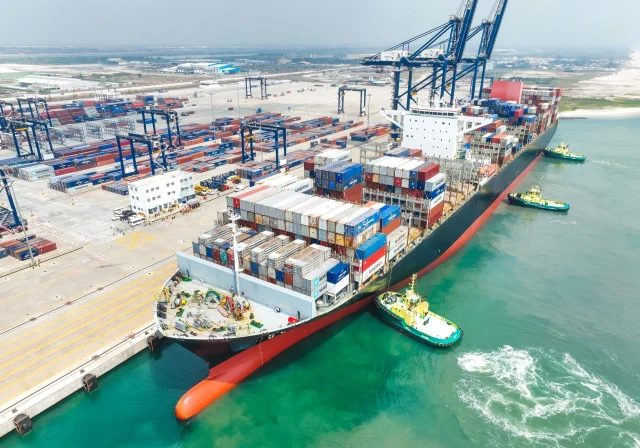
Despite expanding capacity, some respondents said logistical bottlenecks delayed project execution, resulting in another slight increase in unfinished work. Supplier delivery times, however, improved after deteriorating in the previous month.
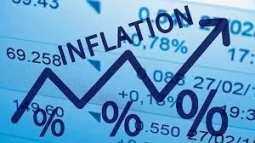
The report showed that inflationary pressures continued to moderate. Both input costs and selling prices rose more slowly than they did in June, with purchase costs recording the most notable slowdown and falling to their lowest inflation rate in five months.
“The headline PMI registered 52.5 in July, down from 53.4 in June but still above the 50.0 no-change mark and signalling a sixth successive monthly strengthening in the health of the private sector. The latest improvement in business conditions was solid, albeit the least pronounced in three months,” the report stated.
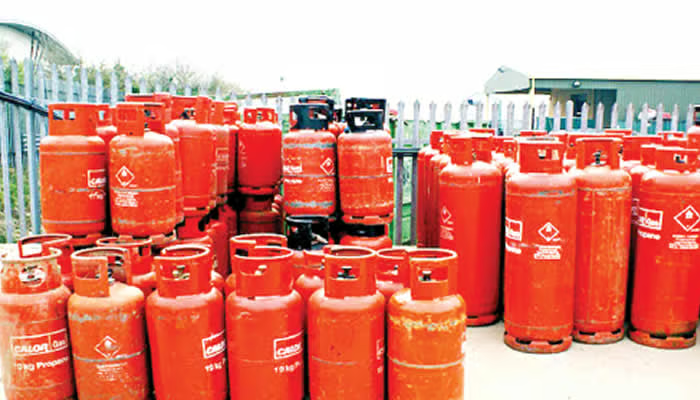
Although cost pressures eased, businesses continued to grapple with higher prices for fuel and raw materials, keeping purchasing costs elevated overall. Wage inflation also moderated, with staff costs increasing at the slowest pace since April.
With input cost inflation cooling, firms moderated the pace at which they raised selling prices. Agriculture recorded the strongest increase in output prices among the sectors covered by the survey, while the services sector posted the weakest price growth.
Business sentiment remained optimistic, although confidence slipped slightly from the one-year high recorded in June. Nearly half of the firms surveyed expect output to increase over the next 12 months, citing expansion plans, stronger marketing efforts and the opening of additional business locations.
Nigeria’s headline inflation rate eased marginally to 15.91 per cent in June 2026 from 15.93 per cent in May, according to the National Bureau of Statistics. The figure was considerably lower than the 25.29 per cent recorded a year earlier, while month-on-month inflation slowed to 1.66 per cent from 1.75 per cent in May, indicating a slower pace of price increases.









Post Comment