Govt approves tax waivers for 4,000 electric vehicles
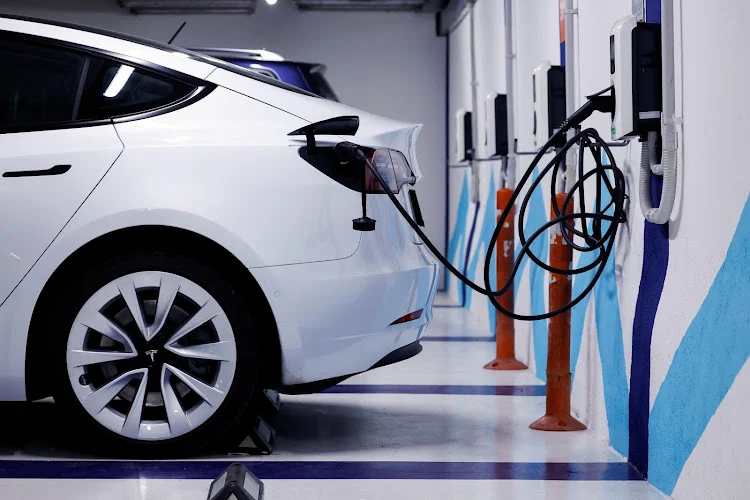
The Federal Government has approved tax waivers for almost 4,000 electric vehicles imported into Nigeria in the first half of 2026, as part of a fresh push to accelerate electric mobility despite persistent electricity shortages and inadequate charging infrastructure.
Government data reviewed by Reuters in a report on Wednesday showed that the approvals represented the first batch processed under a new government initiative designed to encourage the adoption of cleaner vehicles through tax incentives and local vehicle assembly programmes.
The move signals an intensification of Nigeria’s efforts to shift part of its transport system away from petrol and diesel vehicles, even though the country’s electricity supply remains far below the level required to support large-scale electric vehicle adoption.
The report read, “The Federal Government has approved tax waivers for nearly 4,000 EVs in the first half of this year, government data showed, as authorities push to accelerate nascent EV adoption despite chronic electricity shortages. The approvals reviewed by Reuters are the first under a new government programme aimed at promoting cleaner transport through tax incentives and local assembly programmes.”
Nigeria’s 2022 Energy Transition Plan targets electric vehicles accounting for 60 per cent of the country’s vehicle fleet by 2050. However, the country is still at the early stages of the transition.
Official data on the current number of electric vehicles on Nigerian roads is unavailable, but dealers cited by Reuters estimated that EVs account for less than one per cent of the country’s vehicle fleet, translating to only tens of thousands of vehicles.
The government has nevertheless introduced a series of fiscal measures to make electric vehicles more competitive. Nigeria exempted electric vehicles from value-added tax in 2024 and reduced import duties on EVs to zero this year from five per cent.
The measures have come against the backdrop of higher petrol prices following the removal of the petrol subsidy in 2023, making fuel-efficient and electric mobility options increasingly attractive to motorists and commercial transport operators.
The biggest challenge facing Nigeria’s electric vehicle ambitions, however, may be the same infrastructure on which the technology depends: electricity.
The national grid supplies around 4,000 megawatts to a population of more than 200 million people, leaving Nigeria with one of the lowest levels of per-capita electricity availability among major economies.
Consequently, millions of households and businesses rely on petrol and diesel generators to supplement unreliable grid supplies. That dependence has now extended into the emerging EV market.
Charging stations, dealerships and battery-swapping operators increasingly use generators to keep their businesses running whenever electricity from the national grid fails.
But industry players argue that waiting for Nigeria’s electricity system to become reliable before expanding electric mobility would leave the country behind other emerging markets.
Commenting, an executive at Saglev, Nigeria’s first electric vehicle manufacturer affiliated with Chinese automaker Dongfeng, Bolanle Boboye, said the country should pursue both energy and transport transitions simultaneously.
“If we wait for electricity to become perfect before adopting EVs, the rest of the world will leave us behind,” Boboye said.
He added that the environmental benefits of electric vehicles could remain significant even where electricity generation was not entirely clean. “Even when EVs are charged using diesel-generated electricity, they can still help reduce overall emissions,” he said.
The argument reflects the broader challenge facing Nigeria’s energy transition: the country is attempting to electrify transportation while its power sector itself remains heavily dependent on fossil fuels and struggles to meet existing demand.
The report also highlighted Nigeria’s unreliable grid, noting a lack of public charging infrastructure needed to support widespread EV ownership. A policy brief reviewed by Reuters estimated that Nigeria had only about 48 public electric vehicle charging stations as of late 2025, with most located in Lagos and Abuja.
That compares with more than 500 public charging stations in South Africa. The disparity highlights the scale of the infrastructure gap Nigeria must bridge if its ambitious 2050 EV target is to become realistic.
The country’s Energy Transition Plan had projected around 60 charging stations by 2030, a figure that underscores how limited the existing public charging network remains.













Post Comment