Dangote may benefit from Russia’s jet fuel export ban

The Dangote Petroleum Refinery could gain stronger positioning in the global aviation fuel market following Russia’s decision to extend its ban on jet fuel exports until 30 November 2026, amid sustained attacks on its refining infrastructure.
Russia announced the restriction on Monday, saying the move is aimed at securing domestic aviation fuel supply as Ukrainian drone strikes continue to disrupt key refineries and export facilities. The ban follows earlier curbs on gasoline exports introduced in April.
Although Russia is not a major exporter of jet fuel, the development adds to concerns about tightening global aviation fuel supply, especially at a time when demand is recovering and several supply routes remain under geopolitical pressure.
The disruption comes against the backdrop of broader instability in global energy markets, including tensions in the Middle East, which have already strained refining output and shifted trade flows towards alternative suppliers.
In recent months, Europe has increasingly turned to the Atlantic Basin, including West Africa, to meet jet fuel demand shortfalls caused by reduced supplies from traditional Gulf sources.
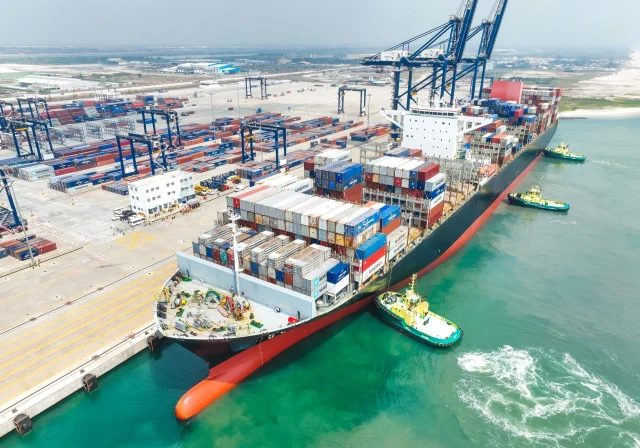
Against this backdrop, the Dangote refinery has emerged as one of the notable new entrants reshaping global fuel trade flows.
Recent industry reports show that the refinery has already exported large volumes of aviation fuel to Europe. In one of its strongest export windows, Dangote shipped about 1.1 billion litres of jet fuel to Europe between March and April 2026, while also supplying more than 95 per cent of Nigeria’s domestic Jet A1 demand.
The refinery is also reported to have exported about 615 million litres of aviation fuel in April alone, as part of a broader 1.66 billion litres of refined products shipped during the period, driven by strong international demand and disruptions in global supply chains.
It was observed that the combination of rising geopolitical risks and refinery disruptions in major producing regions is gradually strengthening the role of new large-scale refiners such as Dangote in global aviation fuel trade.
While Russia’s export restriction may not significantly alter global jet fuel volumes on its own, it contributes to a broader tightening environment that supports alternative suppliers with export capacity.
Already, market reports indicate that Dangote is benefiting from strong demand in Europe and other regions seeking reliable non-traditional sources of jet fuel amid uncertainty around Middle East supply routes and refinery outages.
Russia had announced that the restriction was aimed at stabilising domestic fuel supply and ensuring adequate availability for its aviation sector. According to Reuters, the measure applies to jet fuel sold through exchange markets and commercial channels but excludes supplies covered under intergovernmental agreements and fuel already in transit or customs clearance.
The ban marks one of Moscow’s most significant interventions in its refined products market in recent years, coming after a series of earlier restrictions on gasoline exports introduced in April as pressure on its refining system intensifies.
According to reports, Ukrainian drone strikes have repeatedly targeted Russian refineries and export-linked infrastructure over the past year, forcing temporary shutdowns and reducing processing capacity at several major plants. The attacks are part of Kyiv’s strategy to weaken Russia’s energy revenues, which remain central to its war financing.
Reports indicate that refining output in Russia has fallen sharply in recent months, with some facilities operating below capacity or halting production intermittently. This has led to tighter domestic fuel balances, prompting the government to prioritise internal consumption over exports.
The jet fuel ban is also seen as part of a broader pattern of Russian export controls, including earlier restrictions on gasoline and discussions around tighter oversight of diesel exports, as authorities seek to prevent domestic shortages during periods of refinery disruption.










Post Comment