Nigeria’s Bread Industry Faces Crisis as 40% of Premium Breadmakers Association Members Close Businesses
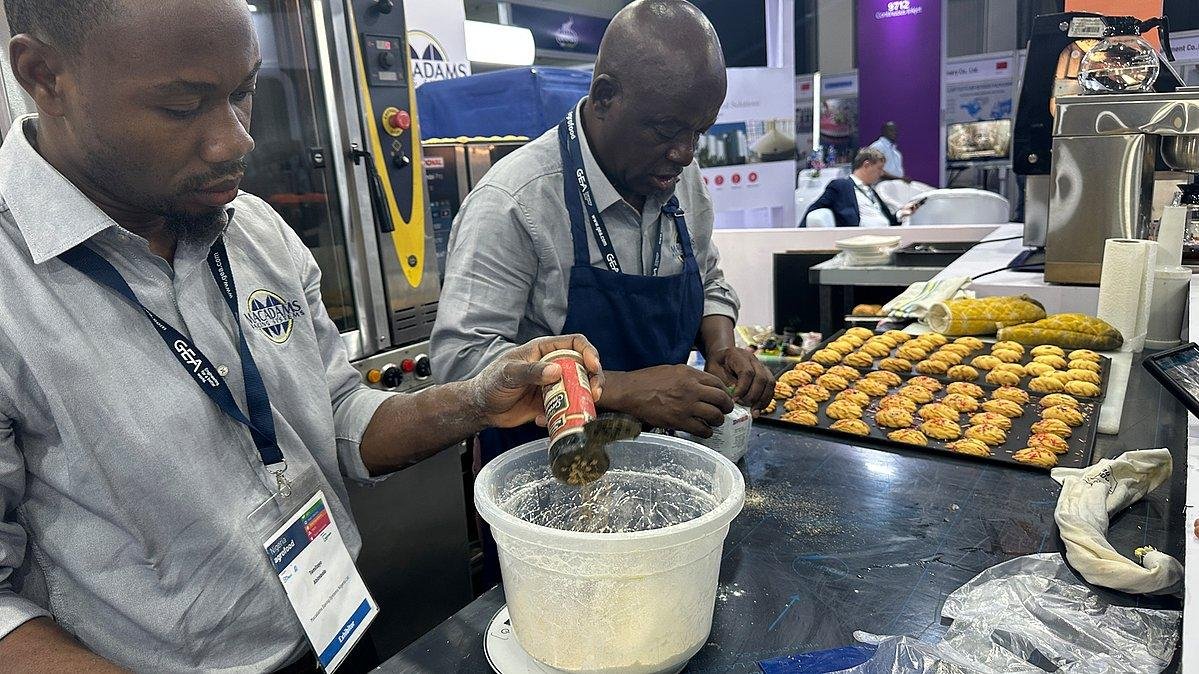
Nigeria’s bread manufacturing industry is experiencing significant financial pressure, with the Premium Breadmakers Association of Nigeria revealing that approximately 40% of its members have closed their businesses over the past two years.
The development highlights the challenges facing food manufacturers as rising energy expenses, expensive loans and increasing production costs threaten business survival.
According to Punch Newspapers, the disclosure was made by the association’s president, Emmanuel Onuorah, during the fourth PBAN Day-Out Exhibition and Masterclass held in Lagos on Thursday, November 12, 2026.
The association warned that continued business closures could affect employment, food production and the wider Nigerian economy.
High Energy Costs Are Threatening Bakery Operations
Electricity and fuel remain among the biggest expenses for commercial bread production.
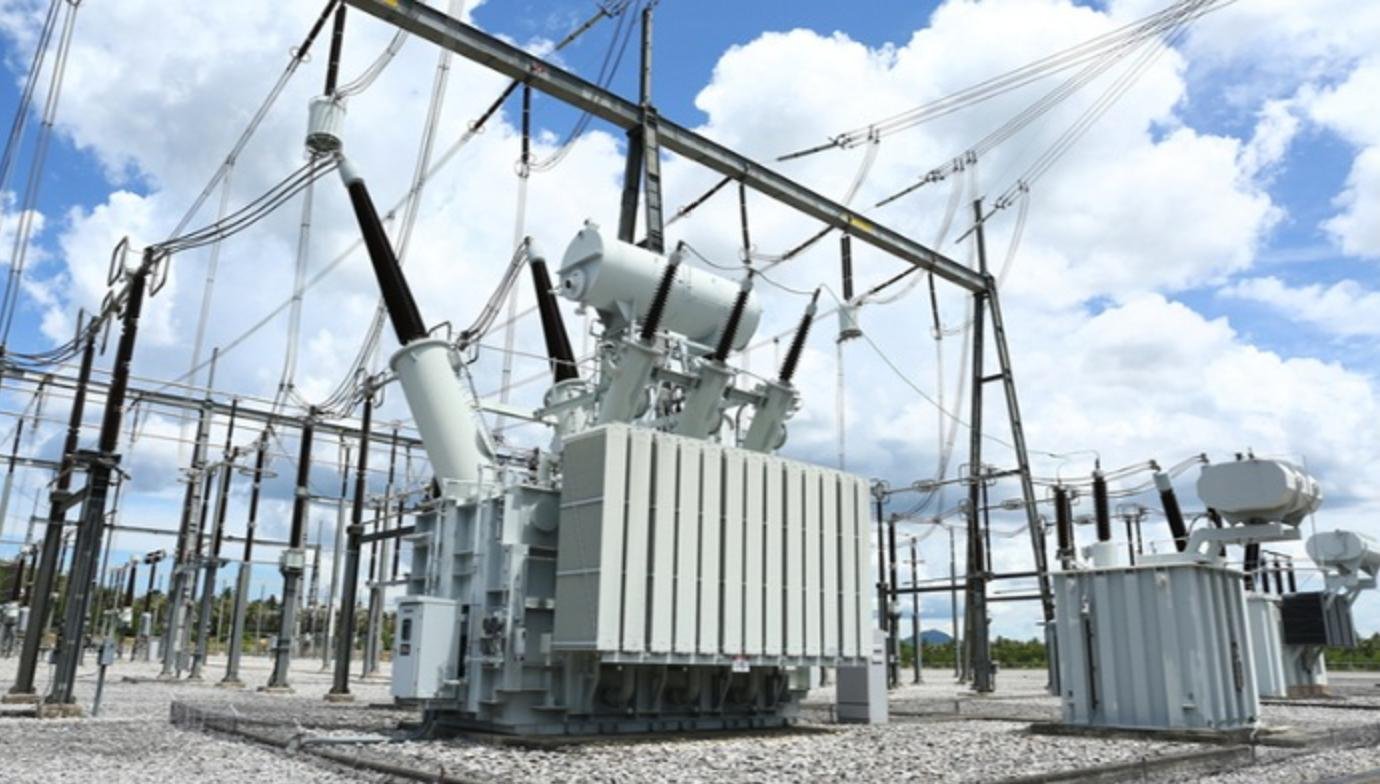
Bakeries require significant energy to operate ovens, mixers, cooling equipment and other essential production machinery.
However, unreliable electricity supply frequently forces manufacturers to depend on generators powered by diesel or alternative fuels.
According to PBAN Financial Secretary Adijat Olaniyi-Olopade, energy expenses account for approximately 50% of production costs for some bakery operators.
She revealed that her own bakery’s monthly diesel expenditure had increased from approximately ₦9 million to ₦19 million.
Despite the increase, the business had struggled to raise bread prices sufficiently to offset the additional costs.
This illustrates the pressure facing manufacturers when operating expenses rise faster than the prices customers are able or willing to pay.
Expensive Bank Loans Make Expansion Difficult
Access to affordable financing has emerged as another major concern.
The association said bakery operators frequently face interest rates of 30% or more when seeking business loans.
Olaniyi-Olopade noted that financing costs averaging around 33% can be difficult to sustain when bread manufacturers operate with profit margins below 30%.
Such financing conditions can make it challenging for businesses to purchase equipment, expand production or invest in alternative energy systems.
The PBAN president also criticised what he described as limited access to government-supported business financing.
He called for grants and single-digit interest loans to help manufacturers remain operational.
These concerns reflect the association’s account of financing conditions rather than a comprehensive survey of all Nigerian bakeries.
Alternative Energy Solutions Remain Expensive
With conventional energy becoming more costly, some bakery operators are exploring alternatives.
These include compressed natural gas, hybrid energy systems and more efficient production equipment.
However, transitioning to alternative energy can require substantial upfront investment.
According to the association, a small bakery may need approximately ₦40 million to ₦50 million to install a hybrid system capable of operating on diesel and compressed natural gas.
For businesses already struggling with cash flow, such investments may be difficult without affordable financing.
What This Means for Nigerian Consumers
Bread remains an important staple food for many Nigerian households.
If production costs continue to increase, bakers may have to adjust prices, reduce output or close unprofitable operations.
These developments could affect product availability and consumer spending.
Smaller independent retailers, distributors and suppliers may also experience reduced business activity when bakeries shut down.
However, the 40% figure refers specifically to PBAN’s reported membership losses and should not be interpreted as a verified closure rate for all bakeries across Nigeria.
Implications for the Manufacturing Sector
The difficulties experienced by breadmakers reflect wider challenges affecting businesses that rely heavily on electricity, fuel and imported production inputs.
Manufacturers facing thin margins may struggle to absorb unexpected increases in operating expenses.
Improved access to long-term financing, reliable electricity and efficient production technology could help strengthen industry resilience.
Industry associations may also benefit from shared procurement initiatives and partnerships that reduce operating costs.
The Bigger Picture
The reported closure of approximately 40% of PBAN member businesses over two years is a concerning indicator of financial distress within part of Nigeria’s food manufacturing industry.
Addressing these challenges will require improvements in electricity reliability, affordable financing and the wider business environment.
For policymakers, supporting productive enterprises is important not only for maintaining business activity but also for protecting employment and food supply chains.
The survival of Nigeria’s bread industry will depend on whether manufacturers can operate profitably while keeping an essential food product accessible to consumers.











Post Comment