₦639 Billion Unpaid Gas Debt Raises Fresh Concerns Over Nigeria’s Electricity Supply
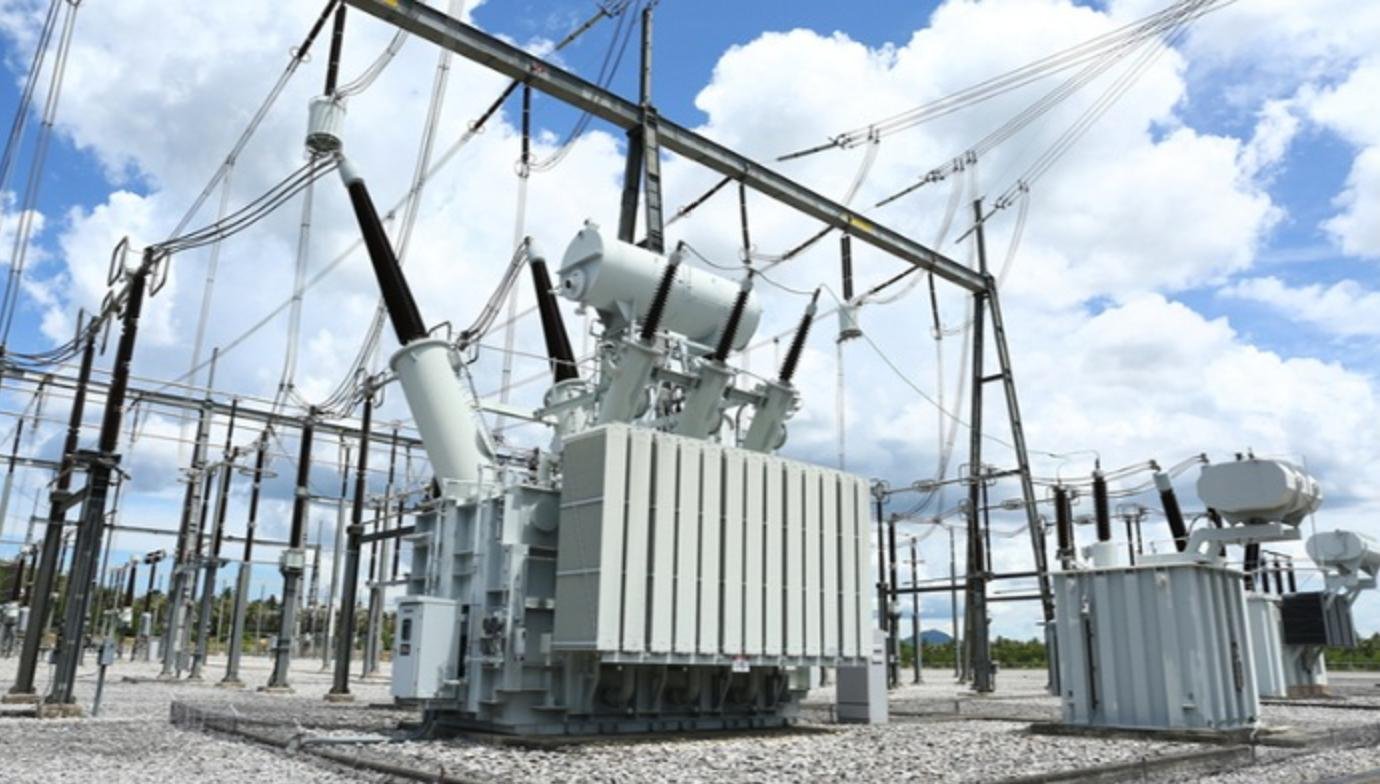
Nigeria’s electricity sector faces another major challenge as unpaid gas obligations estimated at approximately ₦639 billion threaten the financial stability of gas suppliers and the reliability of power generation across the country.
Industry stakeholders have warned that mounting debt, inadequate gas production investment and persistent infrastructure problems could prolong electricity shortages.
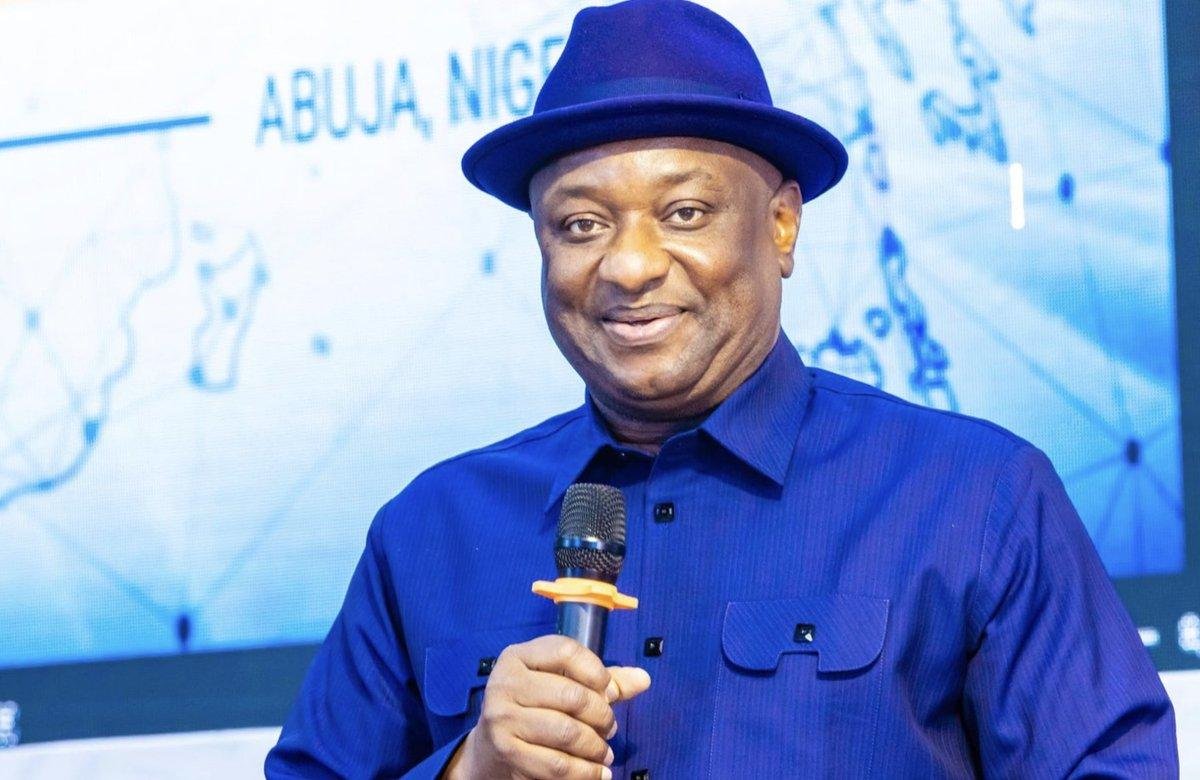
The concerns were raised at the sixth annual conference of the Power Correspondents Association of Nigeria in Abuja.
According to Punch Newspapers, industry experts believe the absence of a sustainable payment arrangement for gas suppliers is among the most serious obstacles to improving the country’s electricity supply.
Why Gas Debt Is Affecting Electricity Generation
A substantial proportion of Nigeria’s electricity is generated by thermal power plants that depend on natural gas.
These plants purchase gas from suppliers and use it to produce electricity for distribution through the national grid.
However, financial difficulties across the electricity value chain can prevent generating companies from receiving full payment for the power they supply.
When generating companies cannot recover sufficient revenue, they may struggle to pay gas suppliers.
This creates a cycle of unpaid obligations that can discourage new gas deliveries and investment in production infrastructure.
Bashiru Adoke, General Manager of Gas Commercial at the Nigerian National Petroleum Development Company, told industry stakeholders that the electricity market owed gas suppliers more than ₦630 billion.
He warned that occasional government interventions would not permanently resolve the problem unless ongoing payment arrangements were improved.
Gas Supply Challenges Contribute to Recent Power Shortages
The warning follows electricity disruptions experienced across several parts of Nigeria.
On November 5, the Nigerian Independent System Operator identified inadequate gas supply and reduced water inflows into hydroelectric reservoirs as factors affecting electricity generation.
These problems contributed to reduced electricity availability and increased load shedding.
However, NNPC subsequently clarified that the availability of gas transportation infrastructure should not be confused with the actual production and commercial delivery of gas to power plants.
The distinction highlights the complexity of Nigeria’s electricity supply chain.
Infrastructure Investment Remains a Major Challenge
Beyond unpaid gas invoices, industry stakeholders identified insufficient infrastructure investment as another barrier to stable electricity supply.
Nigeria requires reliable transmission lines, adequate generation capacity and improved operational coordination to deliver electricity efficiently.
The Transmission Company of Nigeria has been expanding capacity through additional transformers and transmission projects.
Nevertheless, vandalism, land-access disputes and inadequate power generation continue to affect infrastructure development.
What This Means for Nigerian Businesses
Unreliable electricity creates significant challenges for businesses across Nigeria.
Manufacturers may be forced to suspend production or operate costly diesel and petrol generators.
Retailers, restaurants, healthcare facilities and other service businesses can also experience disruptions that affect operating costs and customer service.
Where grid electricity remains unreliable, companies may consider alternative solutions such as solar installations, battery storage and hybrid power systems.
However, the most suitable solution depends on electricity demand, installation costs and long-term maintenance requirements.
Addressing the Financial Problems
Industry stakeholders have called for more sustainable commercial arrangements that guarantee predictable payments to gas suppliers.
Improved collections, stronger market discipline and investment in dedicated gas infrastructure could help reduce supply disruptions.
A successful solution would also need to balance the financial needs of electricity providers with affordability for consumers.
The Bigger Picture
Nigeria’s gas debt problem demonstrates that improving electricity supply requires more than constructing new power plants.
The country must also address the financial relationships connecting gas suppliers, generation companies, electricity distributors and consumers.
Without a sustainable payment structure, existing electricity infrastructure may continue to operate below its potential, limiting productivity and economic growth.
For Nigerian businesses, meaningful progress will ultimately be measured by consistent power supply, lower energy costs and fewer operational disruptions.










Post Comment