Nigerian Governors Develop Uniform Electricity Tariff Framework to Improve Power Market Regulation
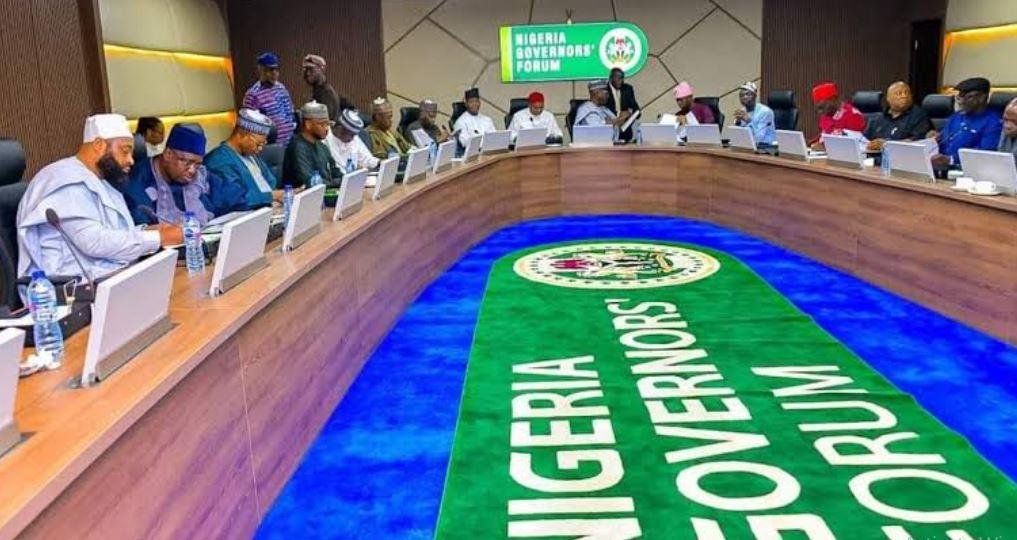
Nigeria’s state governments are working towards a more coordinated electricity pricing system as the Nigeria Governors’ Forum develops a uniform tariff methodology intended to improve consistency across the country’s emerging state electricity markets.
The initiative comes amid ongoing reforms that have expanded the responsibilities of state governments in electricity regulation.
According to Punch Newspapers, the proposed framework was discussed during the Lagos Energy Summit, where representatives of the Nigeria Governors’ Forum outlined efforts to address challenges associated with decentralised electricity regulation.
The methodology is expected to be ready during the first quarter of 2027.
Why Nigeria Needs a Common Tariff Framework
Electricity regulation in Nigeria is undergoing significant changes following reforms that allow states to develop and regulate their own electricity markets.
While decentralisation may create opportunities for improved local power infrastructure and investment, it also introduces new regulatory challenges.
Different states may adopt varying approaches to electricity tariff calculations, licensing conditions and technical requirements.
Without coordination, these differences could create uncertainty for electricity providers and investors operating across multiple states.
The proposed methodology aims to establish common principles for determining tariffs while allowing individual states to account for their specific circumstances.
States to Retain Regulatory Flexibility
The Nigeria Governors’ Forum has developed a model electricity law to guide states in establishing their regulatory frameworks.
According to NGF representative Chijioke Chukwu, the model law is intended to provide guidance rather than impose identical legislation on every state.
Similarly, the proposed uniform tariff methodology is not necessarily a plan to charge all electricity consumers the same price nationwide.
Instead, it is designed to improve the consistency of the process through which tariffs are calculated and approved.
Electricity costs may still differ according to infrastructure requirements, generation expenses and local market conditions.
Addressing Regulatory Challenges
The reform effort also reflects concerns about limited technical capacity and inconsistent enforcement within the electricity industry.
Some states have experienced difficulties implementing their electricity laws because of complex regulatory requirements.
To address these challenges, the NGF is developing additional tools, including public-private partnership guidelines, integrated resource plans and service-level agreements.
These measures are intended to support more effective electricity market management.
However, industry stakeholders have warned that new regulations will have limited impact without consistent monitoring and enforcement.
What This Means for Nigerian Businesses
For businesses, transparent and predictable electricity tariffs are important for financial planning.
Manufacturers, hotels, hospitals, retail businesses and other electricity-dependent enterprises require a reliable understanding of their energy costs.
A more coordinated regulatory environment could help investors evaluate opportunities in electricity generation, distribution and embedded power projects.
It may also make it easier for companies operating across several states to understand the different regulatory requirements affecting their operations.
However, tariff harmonisation does not automatically mean that electricity prices will fall.
The eventual impact on consumer bills will depend on the methodology adopted and the underlying cost of electricity supply.
Opportunities for Private Energy Investors
Nigeria’s decentralised electricity market could create opportunities for private investment in power generation and distribution.
Renewable energy developers, independent power producers and electricity infrastructure companies may benefit from clearer regulatory procedures.
State governments could also explore partnerships that improve electricity access for industrial clusters, commercial centres and underserved communities.
A consistent investment framework may help reduce uncertainty, although project financing and operational risks will remain important considerations.
The Bigger Picture
Nigeria’s move towards uniform electricity tariff guidelines represents another step in the restructuring of its power sector.
For businesses and consumers, the central concern remains access to reliable and reasonably priced electricity.
The proposed framework could improve regulatory clarity, but its effectiveness will depend on implementation, enforcement and cooperation among state electricity authorities.
If successfully introduced in 2027, the guidelines may help support a more organised electricity market capable of attracting sustainable private investment.











Post Comment