African Governments Urged to Invest in Stronger Media Institutions
Meta Description: African governments have been urged to invest in media institutions, technology and professional expertise to strengthen the continent’s global influence and improve its international image.
African governments have been urged to invest more in media institutions, technology and professional expertise to improve how the continent is represented internationally.
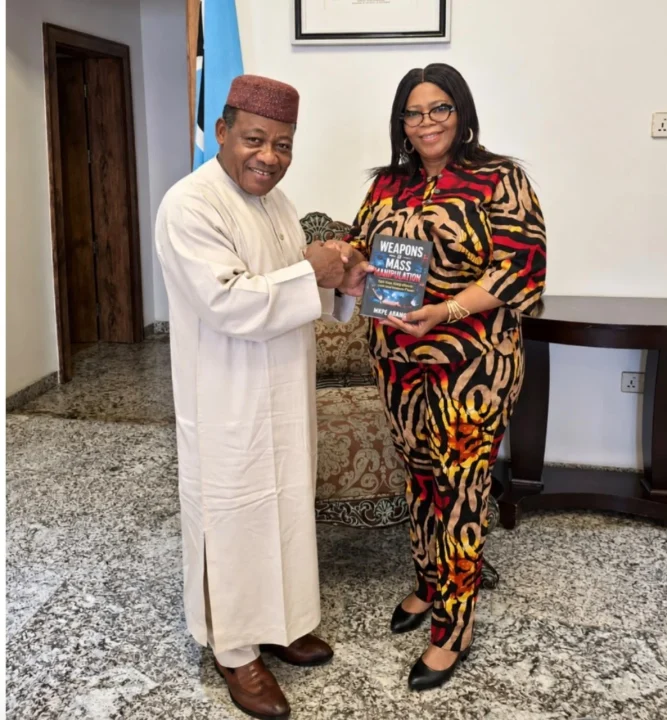
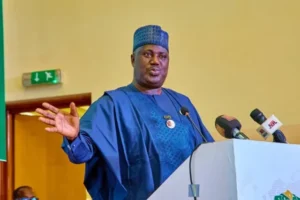
The call was made during a meeting between Dr Mkpe Abang, Founder and Chief Executive of Media Diplomacy Studies, and Philda Kereng, the High Commissioner of Botswana to Nigeria, in Abuja.
According to a report by Punch Newspapers published on October 14, 2026, the meeting focused on Africa’s position in the global information system and the role of state media in communicating the continent’s achievements, interests and development goals.
The discussion highlighted the need for African countries to take greater control of their narratives rather than depend entirely on external media organisations to shape international perceptions.
Why Africa Needs Stronger Media Institutions
Media institutions play an important role in communicating information about a country’s economy, government policies, culture and development.
However, limited funding, inadequate technology and a shortage of specialised professionals can affect their ability to compete internationally.
During the meeting, Kereng emphasised the importance of sustained government investment, effective public policies and improved technological capacity to strengthen African media organisations.
She also stressed the need for African countries to communicate their stories more effectively and address misleading or incomplete representations of the continent.
Technology and Professional Expertise Remain Important
Building stronger media institutions requires more than financial support. It also involves investing in modern technology, training journalists and developing effective communication strategies.
Digital platforms have changed how information is produced, distributed and consumed. Media organisations must therefore adapt to new technologies and changing audience expectations.
Investment in digital infrastructure, professional training and research can help African media institutions produce credible content and reach audiences across international markets.
Strong editorial standards are also essential to maintaining public trust and ensuring that information shared with local and international audiences is accurate.
Media as a Tool for Economic Growth and Diplomacy
The quality of a country’s international image can influence how investors, businesses and foreign governments view its opportunities and challenges.
Credible media coverage can help communicate investment opportunities, highlight innovation and provide international audiences with a better understanding of local markets.
For African businesses seeking international partnerships, stronger media institutions could also provide more opportunities to showcase products, services and business developments.
However, building a positive international image requires credible reporting, transparency and accountability rather than publicity alone.
Upcoming Media Diplomacy Events in Abuja
The meeting also discussed the forthcoming presentation of Abang’s book, Weapons of Mass Manipulation: State Media, Global Influence and the New Diplomacy of Power, alongside the inauguration of the Annual Diplomacy Day.
According to the report, both events are scheduled for November 20, 2026, at the Shehu Musa Yar’Adua Centre in Abuja, under the auspices of Media Diplomacy Studies.
The Botswana High Commission indicated its willingness to participate in the events.
An advance copy of the book was presented to Kereng during the meeting.
What This Means for African Businesses
Stronger media institutions could provide several benefits for businesses across the continent.
1. Greater international visibility: Businesses may find more opportunities to showcase their products, services and innovations to international audiences.
2. Improved investor awareness: Reliable reporting can help investors better understand market conditions, business opportunities and economic developments across African countries.
3. Support for local industries: Media coverage can increase awareness of local manufacturing, technology, agriculture and other sectors that contribute to economic growth.
4. Better access to information: Strong media organisations can help businesses and consumers make informed decisions by providing credible information about markets, policies and industry developments.
For these benefits to materialise, media investment must be accompanied by professional independence, accuracy and public accountability.
Conclusion
The call for stronger African media institutions highlights the importance of communication in shaping the continent’s international presence.
Investment in technology, professional expertise and credible reporting could help African countries communicate their achievements more effectively and participate more actively in global discussions.
For businesses, stronger media institutions can also support international visibility, investor awareness and market development.
Ultimately, Africa’s ability to influence global conversations will depend not only on the stories it tells but also on the credibility, quality and reach of the institutions communicating them.
Source: Punch Newspapers, October 14, 2026.









Post Comment