US Sanctions Push Iran Deeper Into Economic Crisis as Oil Prices Near $100
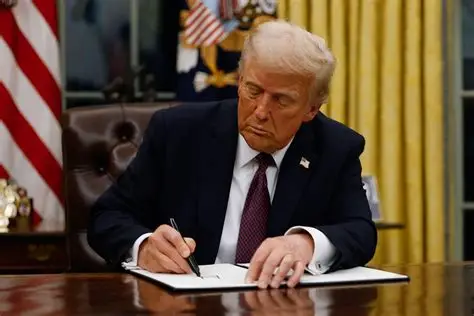
US sanctions and a blockade of Iranian oil exports are intensifying pressure on Tehran, with Iran’s access to foreign currency, imports and international trade increasingly constrained as tensions in the Middle East drive crude prices towards $100 per barrel.
Brent crude, the international benchmark, rose to $97 per barrel on Thursday before easing to around $95.50, according to Oilprice.com. The price movement reflects growing concerns about global oil supply as disruptions to Iranian exports add pressure to an already unsettled energy market.
According to Reuters, Washington has stepped up efforts to restrict Iran’s access to international financing and close channels used by the country to circumvent sanctions.
Three senior Iranian sources told Reuters that the latest measures are becoming increasingly difficult for Tehran to withstand, with the government facing fewer options for securing foreign currency and importing essential goods.
Iranian Oil Exports Plunge
The impact is particularly visible in Iran’s oil industry, the country’s major source of foreign revenue.
Iranian crude loadings have reportedly fallen to about 260,000 barrels per day this month, down sharply from approximately 1.7 million barrels per day a year earlier, according to commodity analytics firm Kpler.
The decline is adding to concerns about global oil availability, particularly as the wider conflict threatens energy infrastructure and shipping routes through the Strait of Hormuz, one of the world’s most important oil transit routes.
While some energy shipments continue through the waterway, the disruption to Iranian exports has significantly reduced Tehran’s ability to generate revenue from its oil resources.
Currency Collapse Deepens Pressure
Iran’s economic crisis is also being reflected in the collapse of its currency.
The rial has weakened from roughly one million rials to the US dollar a year ago to more than 2.2 million currently, putting additional pressure on businesses and households that rely on imported goods.
Official figures cited in the report put Iran’s 12-month average inflation rate at 69.9 per cent, while prices for food, beverages and tobacco have risen at nearly twice that rate.
The combination of currency depreciation, inflation and restricted access to foreign exchange is making imports increasingly expensive and putting further strain on household purchasing power.
Sanctions Hit Trade and Supply Chains
Iran’s ability to maintain the networks it has used to bypass sanctions is also coming under pressure.
Front companies, unregistered tankers and smuggling operations are becoming more expensive to operate, while Iran’s overall trade has reportedly declined by 25 to 35 per cent, with imports taking a heavier hit than exports.
The United Arab Emirates has also disrupted an important channel for Iranian commerce, announcing on August 19 that commercial exchange and financial dealings with Tehran had been suspended until further notice.
For Iranian businesses, the combined effect is a more difficult operating environment, with higher costs, restricted access to international markets and growing challenges in securing foreign currency.
Fuel Supply Becomes a New Concern
Despite being a major oil producer, Iran is also facing pressure on its domestic fuel supply because of limited refining capacity.
One senior Iranian source told Reuters that the country has approximately two months of petrol supply, highlighting the strain created by restrictions on imports and the country’s refining limitations.
The situation illustrates the broader economic impact of the sanctions: Iran may have significant crude resources underground, but restrictions on exports, financing, trade and refining capacity are limiting its ability to convert those resources into sufficient revenue and domestic fuel supplies.
Global Oil Market Faces Fresh Risk
The developments have implications beyond Iran.
Any prolonged disruption to Iranian oil exports could tighten global crude supplies and keep prices elevated, particularly if tensions around the Strait of Hormuz further disrupt energy shipments.
For oil-importing economies, higher crude prices could translate into increased transportation, manufacturing and energy costs. Oil-producing countries, on the other hand, could benefit from stronger export revenues if prices remain elevated.
The crisis therefore creates a delicate balance for global markets: Iran is facing a deepening economic squeeze, while the disruption to its oil supply is adding another source of uncertainty to an already volatile global energy market.
As military tensions continue and sanctions tighten, the direction of oil prices will depend increasingly on how much Iranian supply remains available and whether disruptions spread to other producers and key shipping routes.













Post Comment