We created water marshals to enforce safety – Ex NIWA MD
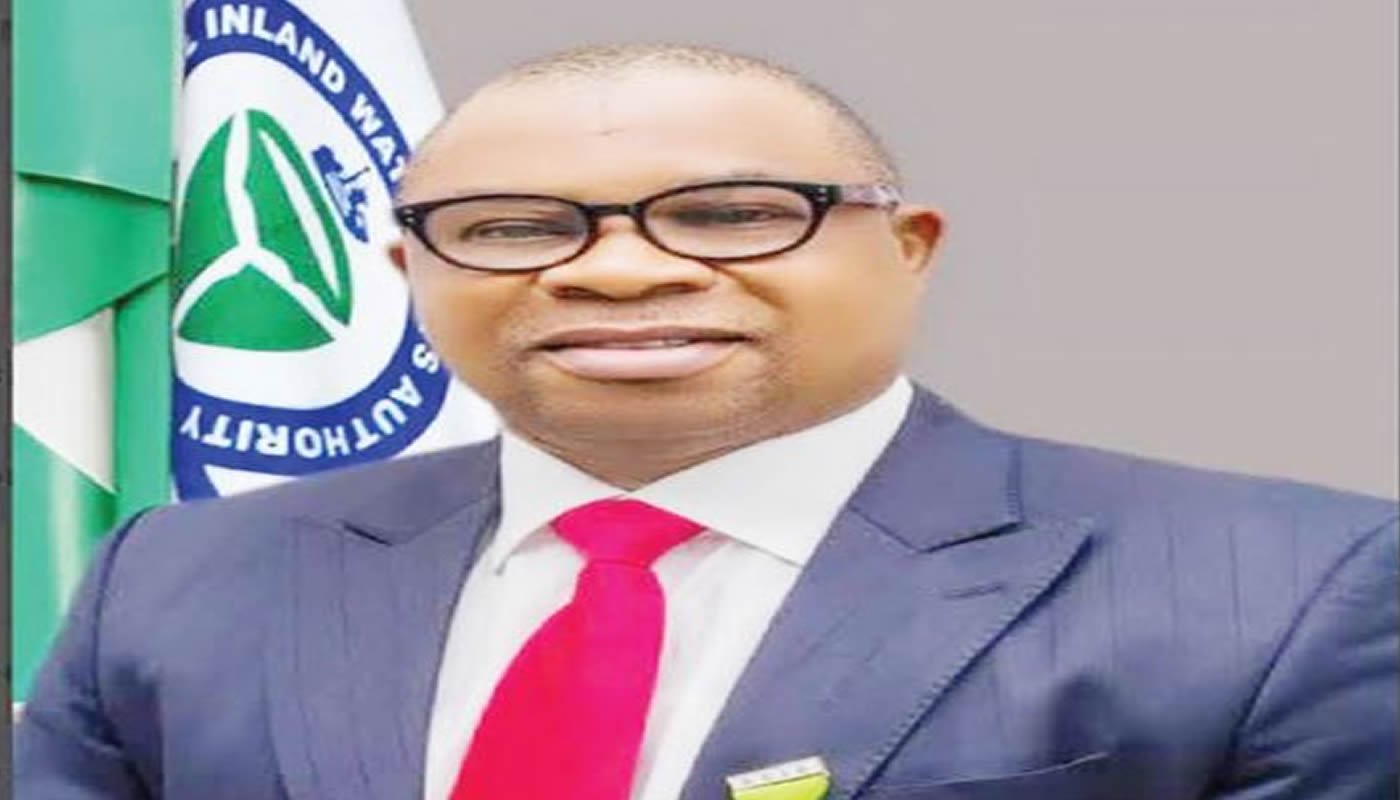
ola Oyebamiji, the former Managing Director of the National Inland Waterways Authority, is contesting the 2026 Osun State governorship election under the All Progressives Congress. In this interview with ANOZIE EGOLE, he discusses his achievements at NIWA and shares his vision for Osun State if elected
Reflecting on your time as Managing Director of NIWA, which initiatives or reforms stand out as your greatest achievements, and how did they influence Nigeria’s inland waterways?
During my time as Managing Director/CEO of NIWA, I initiated several audacious projects that added substantial value to our operations. My first focus was on the need for an enforceable regulation for inland waters. We discovered that a regulation had been in development for many years without much progress. We worked diligently to fine-tune it, leading to its gazettement and unveiling by the Minister of Marine and Blue Economy, Adegboyega Oyetola.
With the Transportation Code in place, we also established an enforcement arm: the Water Marshals. We realised that without them, the Transportation Code would remain a mere regulation on paper. The marshals were selected from various riverine communities due to their knowledge of local waterways. We began with 80 marshals and increased their number to 350 by the time I left, enabling coverage of numerous loading and offloading points, regular checks, and safety briefings before departures.
We also elevated safety campaigns to an unprecedented level. In addition to regular media campaigns on radio, television, and newspapers, we initiated onsite safety campaigns across 21 operational bases nationwide. Stakeholders were convened at least twice yearly near loading and offloading points to sensitise them on safety and the Transportation Code.
Another innovation was the establishment of Community Stakeholders committees, comprising local chiefs, community leaders, and opinion moulders. These committees acted as first responders in emergencies and as safety advocates, reducing response times to under 30 minutes nationwide. Additionally, a taskforce of NIWA staff and community leaders in selected riverine areas was tasked with enforcing safety, particularly during high tidal periods, significantly reducing boat accidents.
We also prioritised staff welfare, ensuring timely payment of salaries and allowances, educational grants for children, medical allowances for retirees, and local and international training opportunities. Deserving officers were promoted without delay.
What insights or experiences from leading a federal agency do you think have best equipped you to govern Osun State?
Nigeria is a diverse country, and my prior public sector experience prepared me well for NIWA. Leading an organisation with a wide reach and mandate broadened my expertise in human management. The maritime sector, along with the Federal Ministry of Marine and Blue Economy and its agencies, requires daily interaction with sister agencies, other ministries, the legislature, and the judiciary. The experience was transformative and has prepared me to govern effectively.
What are the core principles that guide your leadership, and how do you intend to apply them in governing the state?
I was shaped in a target-oriented industry: banking, which rewards performance and sanctions inefficiency. This philosophy has guided my professional and personal life for decades. I am committed to a fair reward system, helping everyone reach their potential without bias. My administration will be firmly rooted in fairness and equity. It will be a new dawn for our people.
Given Osun’s vibrant cultural heritage yet underdeveloped industrial sector, which specific industries will you focus on to stimulate the state’s economy and achieve greater fiscal independence?
Osun is historically the cradle of the Yoruba people and home to UNESCO World Heritage sites such as the Osun-Osogbo sacred grove. Every town has unique cultural events that can be leveraged economically. We aim to restore Osun to a prominent position culturally and economically.
Agriculture and its value chains will receive maximum attention. Osun has fertile land and a youthful population, and the market is growing. We will create the next generation of millionaires from agriculture. Public-private partnerships, particularly in agro-allied and ICT sectors, will be prioritised. MSMEs, especially women and youth-led businesses, will be supported with financing, training, and empowerment.













Post Comment