Low demand keeps cargo planes away from Nigeria 2 years after airlines’ trapped funds ‘palaver’
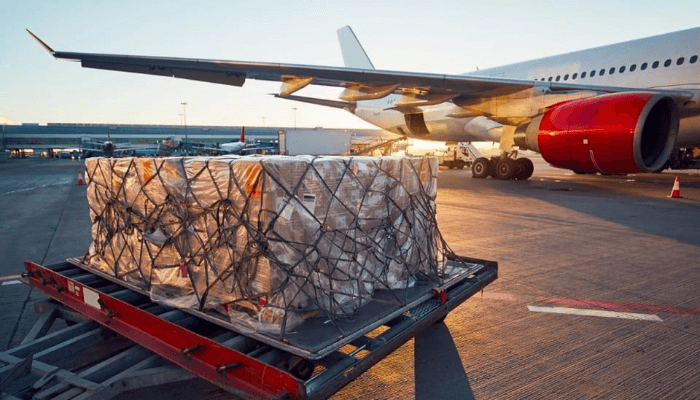
Two years have elapsed since cargo planes, specifically designed for freight transport, ceased operations in Nigeria due to the country’s foreign exchange constraints and airlines’ trapped funds. Despite the federal government’s efforts to clear $743 million in outstanding dues, these aircraft have failed to resume service.
Findings by BusinessDay showed that airline operators have since relocated to more lucrative markets, citing Nigeria’s low cargo demand and unprofitability as major deterrents.
“The big cargo planes are not back to Nigeria. Airlines look for profitability in different countries before operating cargo flights. So, if I’m getting an aircraft that comes into Nigeria for instance and I don’t have cargo am taking out of Nigeria, it becomes an issue. This is the major problem the operators are having,” Kingsley Nwokoma, president of the Association of Foreign Airlines and Representatives in Nigeria (AFARN) told BusinessDay.
He explained that before cargo flights stopped coming into Nigeria, after dropping cargo in the country, they went back empty and sometimes to other African countries to pick up cargo which is not profitable for them considering cost of operations.
“If a big aircraft comes into Lagos, Abuja or Kano for instance, because of the long flight time, they have to do a crew rest for safety reasons. They also have to buy fuel and pay landing and parking fees. So, when you put all these costs together and compare it to when that same aircraft goes to Asia Pacific, China or Japan and Asia, it is more profitable,” Nwokoma said.
He said that foreign airlines would rather go to where they can get more profit and where the ease of doing business is high.
According to the AFARN president, the shipments airlines carry now come under the belly of the passenger aircraft such as the Boeing 777, Airbus, adding that once in a while airlines get charter flights for cargo which covers their arrival and departure costs.
“Those good old days when cargo planes come in four to six times a week are gone. Air cargo is supposed to be the fastest and that is why people choose this option but if profitability and the ease of doing business are gone, most customers would prefer the sea cargo option and do futuristic planning,” Nwokoma said.
Cargolux, Saudi Cargo and Emirates Cargo airlines which operated cargo flights into Nigeria have all stopped flights into the country. Only Turkish Airlines cargo planes still carry out skeletal operations in Nigeria and sometimes, the airline is unable to operate even one flight to the country in one week.













Post Comment