Experts warn informal sector may derail tax reforms
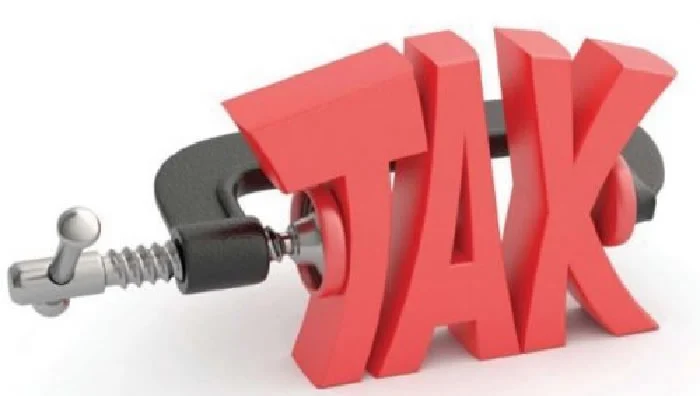
Economic watchers have said that the largely informal nature of the Nigerian economy may pose a roadblock to the implementation of the new tax reforms, which came into effect this January.
This was one of the highlights of a panel discussion at the 2026 Economic Summit organised by the Empowerment Team of the Lagos Province 35 of the Redeemed Christian Church of God on Saturday in Lagos.
The PUNCH reports that the Moniepoint Informal Economy Report 2025 indicated that Nigeria is home to over 39 million Micro, Small and Medium Enterprises, accounting for about 96 per cent of all businesses, contributing 50 per cent to GDP, and employing over 84 per cent of the workforce. Despite their significant contributions to the economy, the businesses remain informal.
This very characteristic of informality is what experts have noted stands in the way of the implementation of the tax reforms, which went into full force this January.
Highlighting the barrier, the Chief Executive Officer of the Centre for the Promotion of Private Enterprises, Dr Muda Yusuf, noted, “One of the things I worry about is that it (tax reforms) looks a bit elitist, and it also does not appear to take into account the huge informal economy that we have and the level of literacy that we have, and that is why there is so much anxiety, despite all the efforts to assure people that it is for their good. Not many people believe, and the communication is also very technical, and now you have imposed a burden on people to go and look for consultants, tax consultants, and people to help them keep books; that is an additional burden, and that is the reality.
“I’m saying that because there’s already a reform fatigue. We are just coming from fuel subsidy reform, we have foreign exchange reform, and we have power sector reform. We have not recovered from that. So, there are issues, because no matter what you say, most of our people who are in Oke-Arin (market on Lagos Island) or even people who are selling cattle in Kara Market, if you check their turnover annually, it will be above the threshold of N100m.
You know how much a head of cattle is. So that is, even the man selling cattle in Kara Market has to pay Company Income Tax. This is not something that is part of our culture of doing business. So, it’s a major cultural transition. It may be necessary, but whether this is the time to go through it is a different matter.”













Post Comment