Naira Weakens to ₦1,460/$ as Christmas Spending and 2027 Elections Increase Dollar Demand
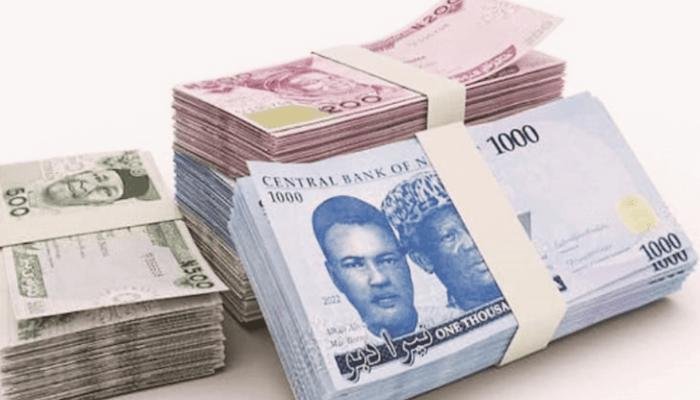
Nigeria’s foreign exchange market is facing renewed pressure as the naira depreciates against the United States dollar, with economists identifying rising festive-season demand, political spending and reduced foreign currency inflows as possible contributing factors.
According to Punch Newspapers, the naira traded at approximately ₦1,394 per dollar in the official foreign exchange market on Friday, November 20, 2026.
By Sunday, November 22, the currency was quoted at around ₦1,460 per dollar in the parallel market, highlighting the continued difference between official and informal foreign exchange rates.
The development has raised concerns among importers, manufacturers and businesses that depend on international transactions.
Naira Records Consecutive Daily Losses
The latest depreciation follows several days of weakening in the official market.
On Tuesday, November 17, the naira traded at approximately ₦1,363 per dollar.
It weakened to ₦1,379.99 on Wednesday before declining further to ₦1,388 on Thursday.
By Friday, the rate had reached ₦1,394 per dollar.
The movement represents a depreciation of ₦31 per dollar over three trading sessions.
In the parallel market, the currency also weakened considerably. The rate of ₦1,440 recorded on Thursday compares with approximately ₦1,375 one month earlier.
These movements suggest renewed pressure on foreign exchange demand and supply.
Christmas Spending Increases Dollar Demand
The approaching Christmas and New Year celebrations are expected to increase commercial activities across Nigeria.
Businesses frequently import additional goods, raw materials and consumer products ahead of the festive season.
International travel, overseas payments and other seasonal expenses can also contribute to foreign currency demand.
When demand for dollars increases faster than available supply, the naira may experience depreciation.
Foreign exchange traders interviewed by Punch identified rising demand associated with the festive season as one factor influencing the market.
However, seasonal spending alone does not explain every movement in the currency.
Political Spending Ahead of 2027 Elections Raises Concerns
Economic analysts have also drawn attention to the approaching 2027 general elections.
The Chief Executive Officer of the Centre for the Promotion of Private Enterprise, Dr Muda Yusuf, suggested that election-related spending, policy uncertainty and possible capital flight could be contributing to the naira’s weakness.
According to the economist, political activities may increase liquidity and encourage some market participants to acquire foreign currencies.
An emerging-markets economist, Ike Ibeabuchi, also identified reduced dollar inflows and higher international payment demand as potential sources of pressure.
These explanations are expert assessments rather than conclusive proof that election spending has caused the depreciation.
Nigeria’s Foreign Reserves Decline to $54.65 Billion
The latest currency movements coincide with a reduction in Nigeria’s external reserves.
Central Bank figures cited in the report show that foreign reserves stood at approximately $54.65 billion on Friday, November 20.
This represents a decline of about $60.63 million from $54.713 billion recorded on Thursday.
External reserves provide an important buffer for international financial obligations and contribute to confidence in the country’s external position.
Although the latest decline is relatively small compared with the total reserve balance, sustained reductions could attract concern if they occur alongside persistent exchange-rate pressure.
What This Means for Nigerian Businesses
Currency depreciation can increase the cost of importing goods and services.
Manufacturers may need more naira to purchase machinery, production materials and equipment priced in foreign currencies.
Retailers importing electronics, clothing and other consumer products could also experience higher purchasing expenses.
For businesses with dollar-denominated loans, a weaker naira may increase the local-currency cost of repayments.
Exporters earning foreign currency may benefit when converting their revenues into naira, although imported input costs can offset some of those gains.
Business owners may need to review supplier arrangements, monitor exchange rates and strengthen cash-flow planning.
The Bigger Picture
Nigeria’s latest currency movements highlight the importance of maintaining a stable and transparent foreign exchange market.
The approaching festive season and 2027 elections could create additional uncertainty, but the direction of the naira will ultimately depend on several factors, including dollar supply, investor confidence and domestic economic conditions.
For Nigerian businesses, the priority is to manage foreign exchange exposure carefully while policymakers work towards stronger currency stability and a more competitive economy.
The coming weeks will be important for assessing whether the pressure is temporary or reflects a more persistent change in market conditions.











Post Comment