Two vessels cross Hormuz amid war tensions
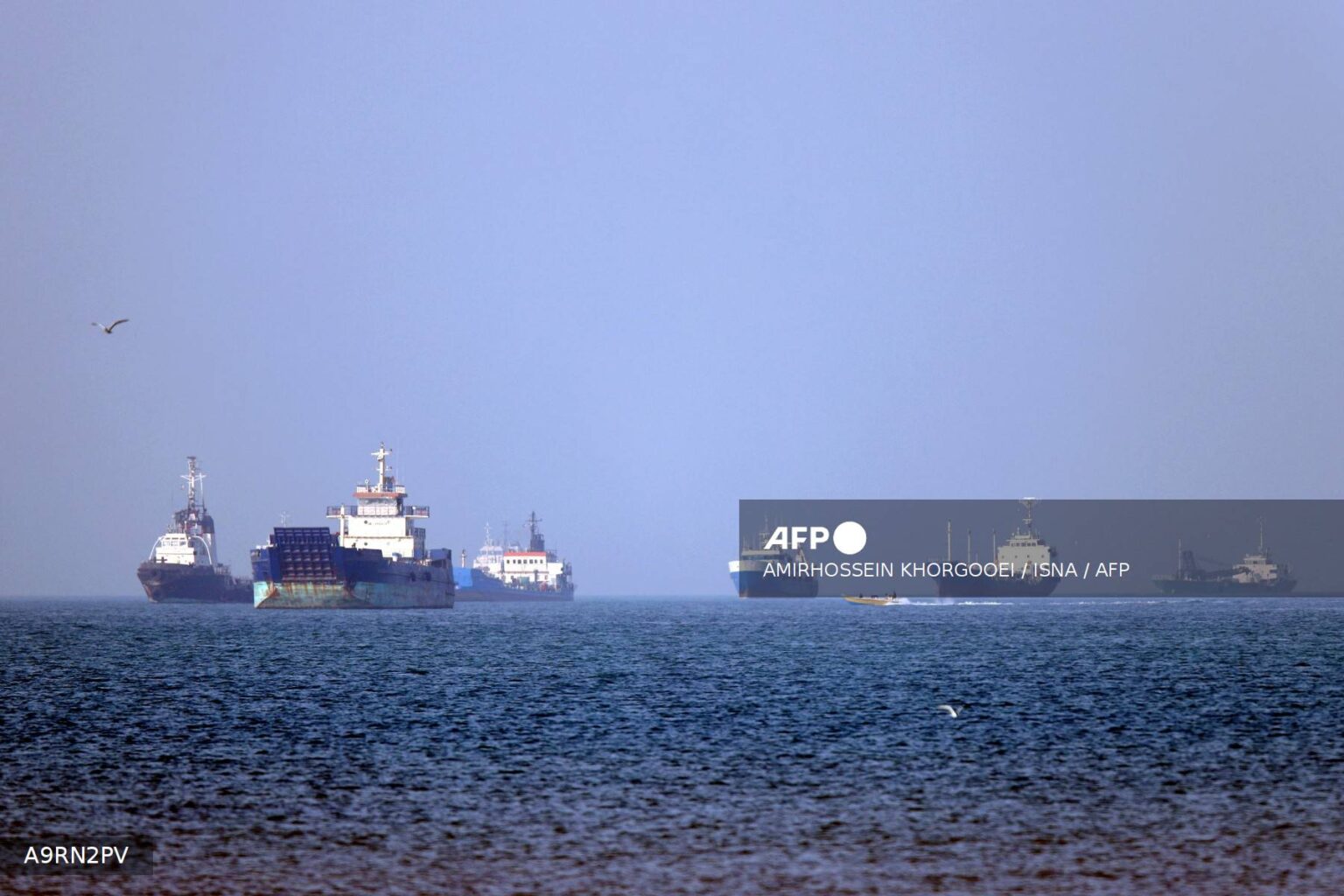
Two commercial vessels have successfully passed through the Strait of Hormuz despite ongoing tensions in the Gulf, as Iran submitted its response to a United States proposal aimed at ending the war and reopening peace talks.
Iranian state media reported on Sunday that Tehran’s response was transmitted through Pakistan, which has been mediating between both sides.
According to Iranian state television, the response focused on ending hostilities “on all fronts”, particularly in Lebanon, and guaranteeing the safety of maritime traffic through the strategic waterway. The report, however, did not specify when or how the strait would fully reopen to international shipping.
The development came after Washington proposed halting the fighting before broader negotiations on contentious issues, including Iran’s nuclear programme. Reuters reports that there was no immediate reaction from the United States government.
The Strait of Hormuz, which previously handled about one-fifth of global oil supplies, has remained one of the most volatile flashpoints in the conflict, with Tehran restricting non-Iranian vessels from transiting the route.
Despite the tension, it was reported that the QatarEnergy-operated liquefied natural gas carrier, Al Kharaitiyat, safely crossed the strait and headed for Pakistan’s Port Qasim, according to shipping analytics firm Kpler.
The vessel became the first Qatari LNG carrier to transit the strait since the outbreak of the US-Israeli war with Iran on February 28.
Sources familiar with the arrangement said Iran approved the shipment to help ease Pakistan’s worsening electricity shortages caused by disrupted gas imports and to build confidence with both Qatar and Pakistan, which have been involved in mediation efforts.
Also on Sunday, Iran’s semi-official Tasnim news agency reported that a Panama-flagged bulk carrier bound for Brazil passed through the strait using a designated route approved by Iranian armed forces after an earlier failed attempt on May 4.
The passage of the vessels came amid continuing regional security threats.
Meanwhile, as tensions persist around the strategic waterway, Britain announced that it was deploying HMS Dragon, one of the Royal Navy’s six Type 45 destroyers, to the Middle East ahead of a possible multinational mission to protect shipping in the Strait of Hormuz.
According to the UK Ministry of Defence, the warship would “pre-position” in the region for a “potential role” in a future “strictly defensive and independent” operation.
BBC reports that British Prime Minister Keir Starmer, who is championing the proposed mission alongside French President Emmanuel Macron, said the operation would only proceed after active fighting in the region ends.
The deployment comes after months of disruption in the strait, which Iran has been controlling in retaliation for attacks by the US and Israel.
HMS Dragon, designed for anti-aircraft and anti-missile warfare, recently operated in the eastern Mediterranean, where it was tasked with protecting British air bases in Cyprus following a drone attack near RAF Akrotiri in March.
The UK Ministry of Defence said the latest deployment formed “part of prudent planning” and would allow the warship to contribute immediately to any future multinational maritime security mission.
The ministry added that the mission “provides the UK Armed Forces with additional options for the defensive multinational Hormuz mission”.
Last month, representatives from 51 countries reportedly met to discuss securing commercial shipping through the strait, with Britain and France leading discussions on a coordinated response.
Meanwhile, US President Donald Trump is facing growing pressure to end the conflict ahead of a planned visit to China this week, amid mounting fears that the war could deepen the global energy crisis and further destabilise the world economy.
Qatari Prime Minister Mohammed bin Abdulrahman al-Thani reportedly told Iranian Foreign Minister Abbas Araqchi that using the Strait of Hormuz as a “pressure tool” would worsen the crisis.
According to Qatar’s foreign ministry, the prime minister stressed during a telephone conversation that “freedom of navigation should not be compromised.” Over the weekend, oil prices hovered around $100 per barrel, according to reports by Oilprice.com.














Post Comment